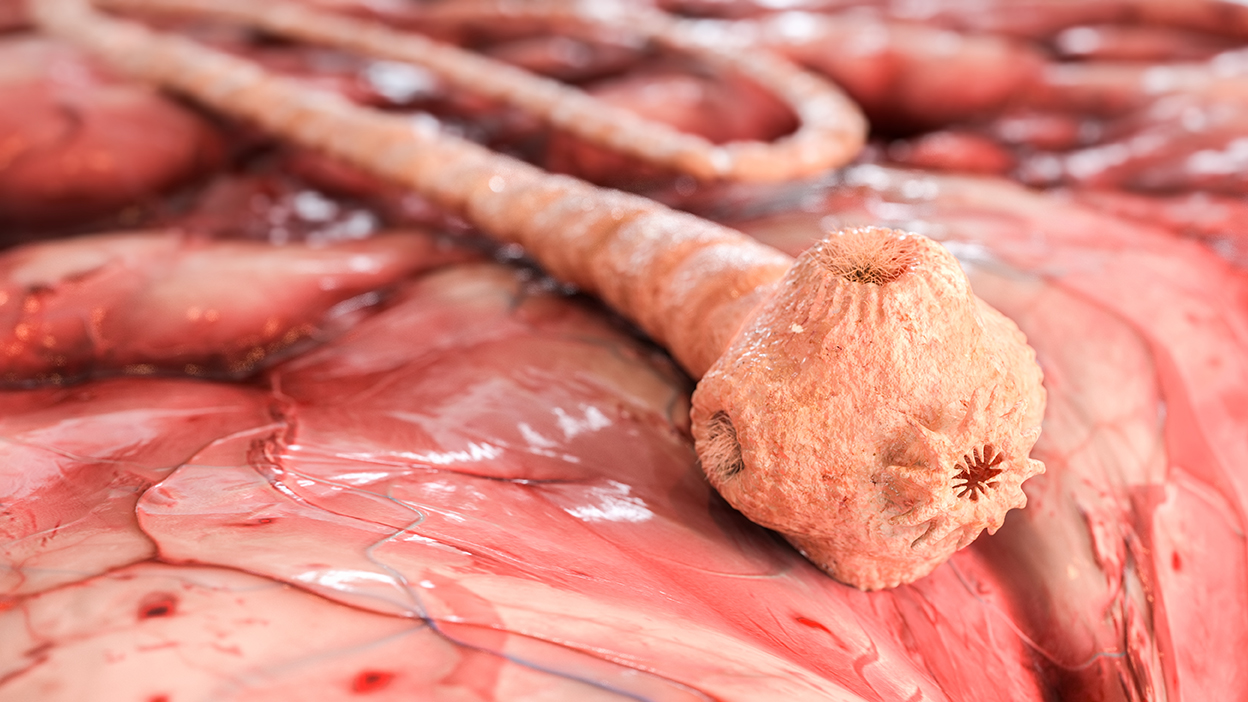


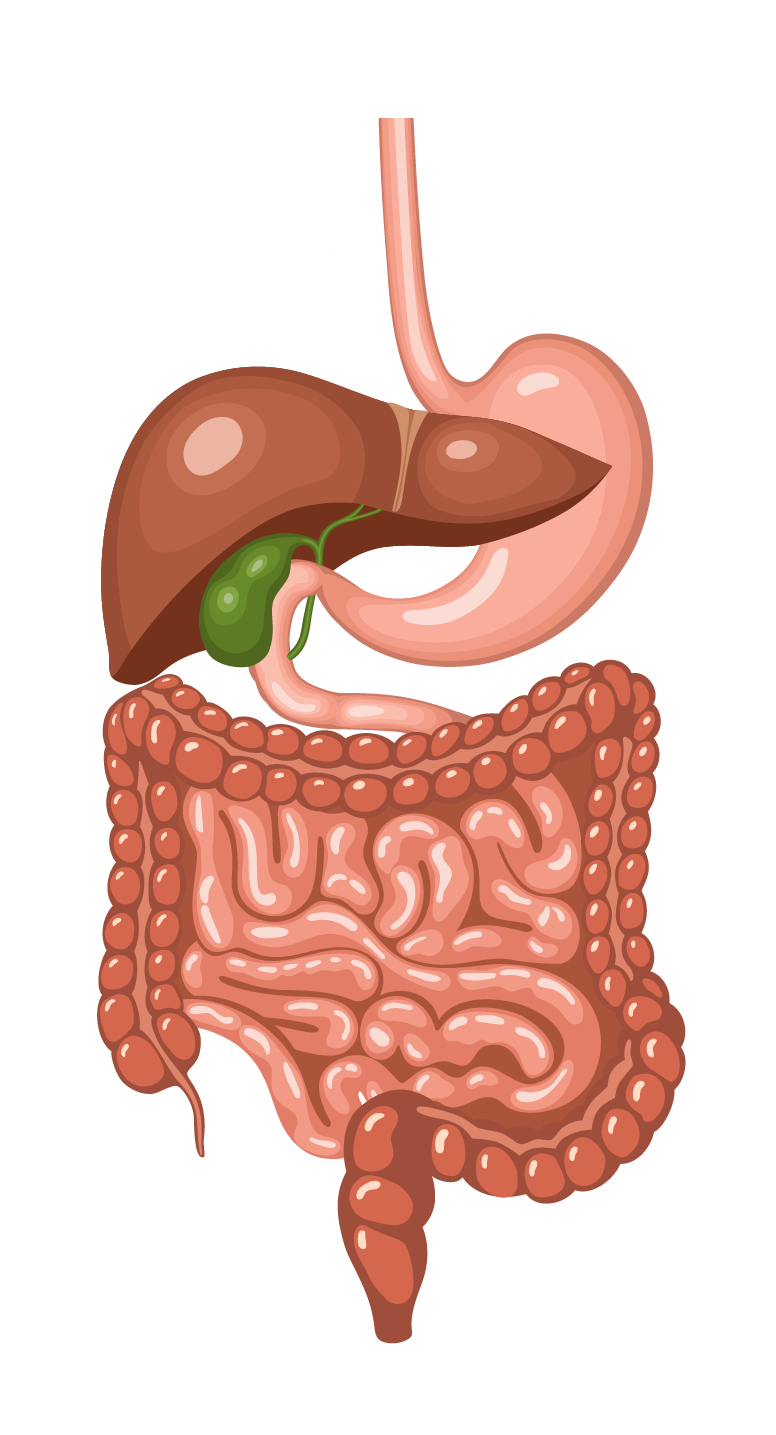
Medical parasitology contains a broad range of organisms. While the definition of parasite (an organism that requires and benefits from another organism to survive and multiply) would technically include viruses and some bacteria, the organisms in this section refer to parasites in the taxonomic groups of Protozoa, Platyhelminthes, and Nemathelminths. The unifying features of this group are that each is an opportunistic organism with an environmental niche and a complex lifecycle.
These webpages are designed to assist in your study of the medically relevant parasites for the Micro-ID thread and USMLE Step 1, but this is not intended to be a complete guide to address all learning objectives.
-
- The case studies will be used as part of preparation for large group activities—always check E.Flo MD for the full-session guide for each large group.
- The trigger words, knowledge checks, and summary tables are to assist in making firm connections and serve as memory aids. The summary tables work best if you attempt to complete the table from your own memory first. Then check your answers.
Parasitology overview
-
Skin/hair
- Sarcoptes (Scabies)
- Pediculosis (Lice)
- Cimex (Bed bugs)
- Demodex mite
- Myiasis
- Tungo penetrans (Tungiasis)
-
GI, biliary, and vaginal
-
Blood and tissue

Helminths

Read more in the Micro-ID compendium
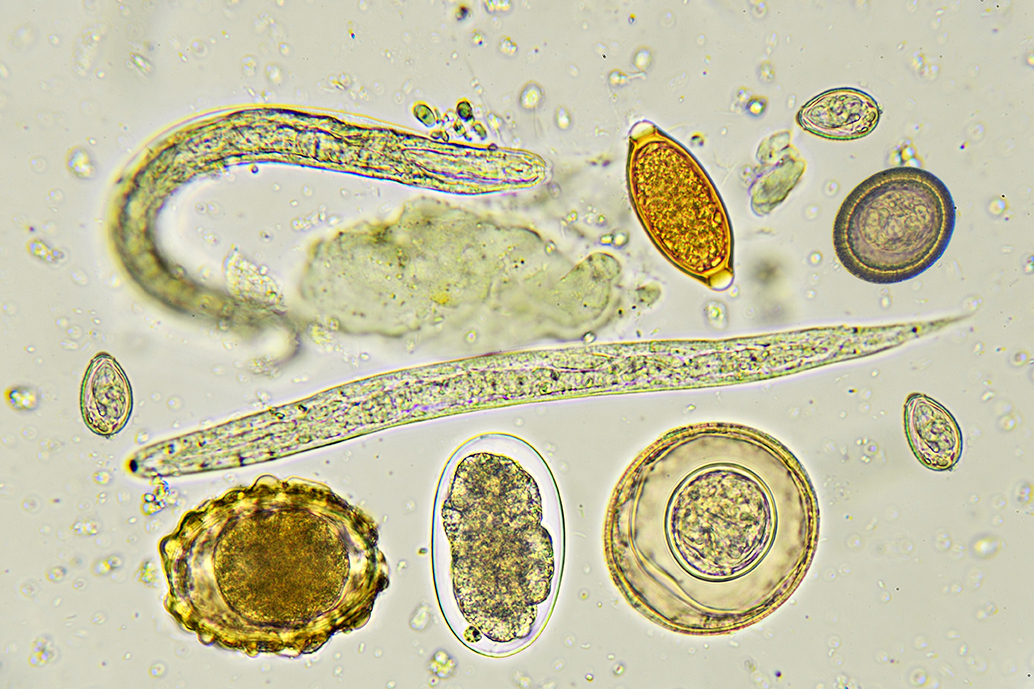
Summary Tables
Image credits
Unless otherwise noted, images are from Adobe Stock.