



Climate change disrupts water systems in two opposite directions, and a third mechanism operates across both. Select each pathway below to explore the mechanisms and associated diseases.
Clinical pearl
Rural Washington state has a high proportion of households reliant on private wells, making flooding-driven well contamination a clinically important local risk. Warming freshwater temperatures are also expanding the geographic range of thermophilic aquatic pathogens northward along the Pacific Coast. The disease table on the next screen includes several pathogens whose ranges are actively shifting in this direction.
Excess water
Heavy rainfall and flooding overwhelm water and sanitation infrastructure. Pathogens from human and animal waste contaminate drinking water sources and food supplies. Warmer floodwater accelerates pathogen replication.
Associated diseases
- Cholera.
- Typhoid fever.
- Hepatitis A.
- Leptospirosis.
Flooding: Dispersed contamination
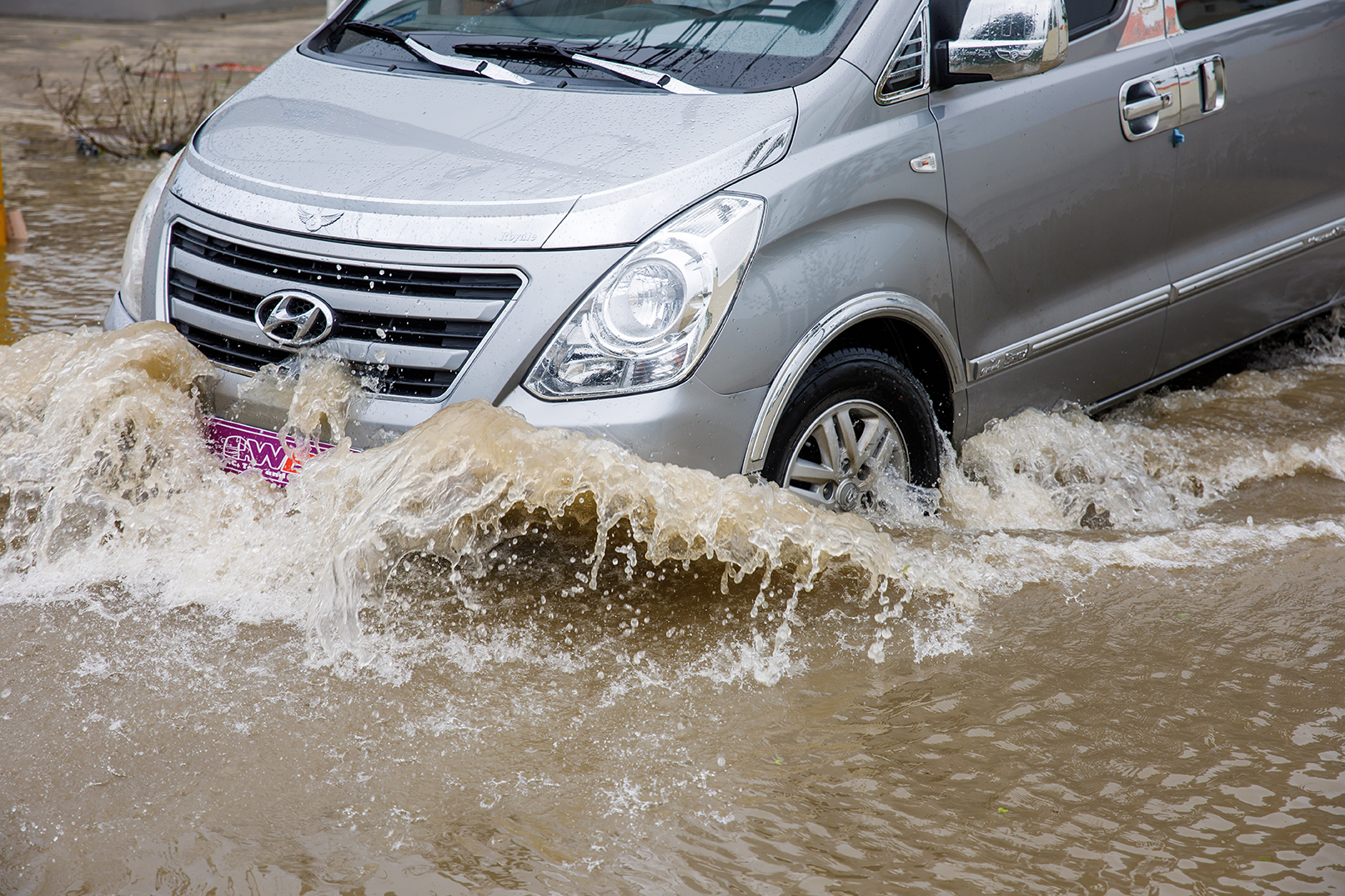
After Hurricane Fiona struck Puerto Rico in 2022, leptospirosis cases surged to 3.6 times their pre-storm weekly rate— 156 confirmed cases over 15 weeks, driven by widespread floodwater exposure. After flooding, leptospirosis is frequently under-diagnosed in clinical settings in the United States because clinicians do not consider it domestically.
Source: Leptospirosis Outbreak in Aftermath of Hurricane Fiona—Puerto Rico, 2022. MMWR Morb Mortal Wkly Rep.
Knowledge check
Think first, before revealing the answers. These questions are for your self-directed learning. The answers are not collected or graded.
Question 1
Which type of pathogen transmission — fecal-oral or direct contact — is the primary mechanism when flooding overwhelms sanitation infrastructure?
Fecal-oral transmission is primary. Flooding disperses fecal material from overwhelmed sewage into drinking water and food, creating the conditions for cholera, typhoid, hepatitis A, and other enteric pathogens. Direct contact (e.g., leptospirosis via skin abrasions) also occurs but is secondary for most flooding-associated water-borne diseases.
Water scarcity
Drought forces communities away from protected water sources toward shared surface water, shallow wells, or depleted groundwater reaching chemical-bearing bedrock. Pathogen concentrations increase as water volume decreases. Drought also creates the slow-moving water conditions that promote harmful algal blooms.
Associated diseases
- Cryptosporidiosis.
- Fluorosis.
- Arsenicosis.
- Cyanotoxin poisoning.
Drought: Concentrated exposure
Critical distinction: Cryptosporidium oocysts resist standard chlorination. Communities shifting to surface water during drought face enteric disease risks that chlorine tablets cannot address—UV filtration is required. Drought also creates slow-water, nutrient-concentrated conditions that promote cyanobacterial blooms (harmful algal blooms).
Why drought drives harmful algal blooms (HABs)
Three conditions must converge:
- Slow-moving or stagnant water (a direct drought consequence as rivers slow and reservoirs shrink).
- Elevated nutrient load from agricultural runoff (nitrogen, phosphorus), and sunlight.
- Drought simultaneously concentrates pathogens and creates HAB conditions—two distinct waterborne hazards from the same climate driver.
Knowledge check
Question 2
Cryptosporidium is detected in a drought-affected surface water source that has been chlorinated. Why would you still expect illness to occur?
Cryptosporidium oocysts resist standard chlorination. Unlike bacteria, they require UV irradiation or physical filtration for removal. This makes Cryptosporidium clinically distinct from most bacterial waterborne pathogens. Communities shifting to surface water during drought face enteric disease risks that chlorination alone cannot address.
Rising water temperatures
Rising surface water temperatures expand the range, abundance, and seasonal window of heat-tolerant aquatic pathogens and promote harmful algal blooms in lakes and reservoirs previously too cold for these organisms.
Associated diseases
- Vibrio infections.
- Naegleria fowleri (PAM).
- Cyanotoxin poisoning.
Warming waters, expanding range
- Vibrio
- Naegleria fowleri
Range expansion
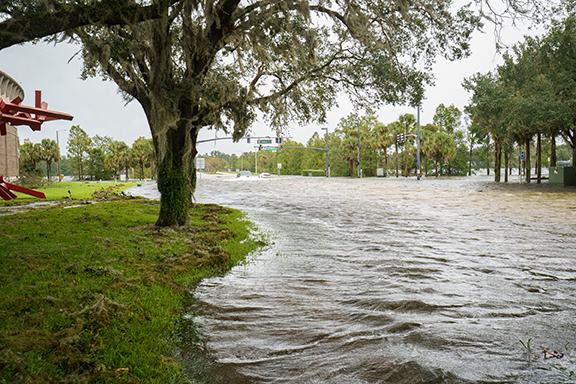
Between 1988 and 2018, V. vulnificus wound infections in the Eastern United States increased eightfold, with the northern case limit shifting 48km per year northward.
Source: Climate warming and increasing Vibrio vulnificus infections in North America. Scientific reports.
Acute outbreak risk
After Hurricane Ian (2022), 38 vibriosis cases were documented in Florida within weeks, with 11 deaths (CFR 29%), and three patients required limb amputation, from floodwater contact with warm storm-surge-contaminated coastal waters.
Source: Notes from the Field: Vibriosis Cases Associated with Flood Waters During and After Hurricane Ian—Florida, September–October 2022. MMWR Morb Mortal Wkly Rep.
Range expansion
N. fowleri has shown a statistically significant northward expansion since 2010, with PAM cases now documented as far north as Minnesota, 550 miles north of any prior documented case.
Knowledge check
Question 3
Vibrio vulnificus causes two clinically distinct presentations depending on route of exposure. What are they, and what determines which a patient develops?
- Gastroenteritis from ingestion of contaminated shellfish (particularly oysters).
- Necrotizing wound infection or primary septicemia from direct seawater contact via a skin wound or abrasion.
The route of exposure determines the presentation. Primary septicemia carries a case fatality rate exceeding 50%—rising to 67% in those with pre-existing liver disease. Wound infections carry a lower but still significant fatality rate of approximately 15%.
Image credits
Unless otherwise noted, images are from Adobe Stock.