



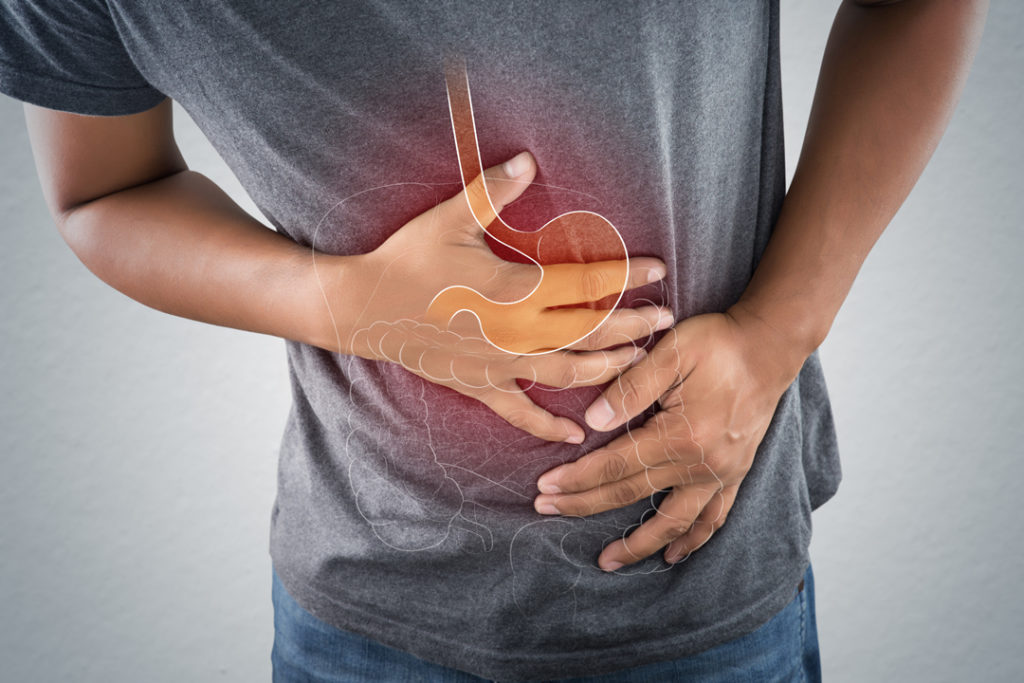
I created this introduction. Please feel free to change.
The impacts of climate change include extreme weather events, rising sea levels, warming temperatures, and changes in precipitation. These impacts affect the food we eat, the water we drink, the air we breathe, and the weather we experience.
The severity of the health risks depends on the ability of health officials to address and prepare for varying threats, as well as individual behavior and vulnerabilities:
- Where a person lives.
- How sensitive they are to health threats.
- Their exposure to climate change impacts.
- How well they and their community can adapt to change.
Impacts on water
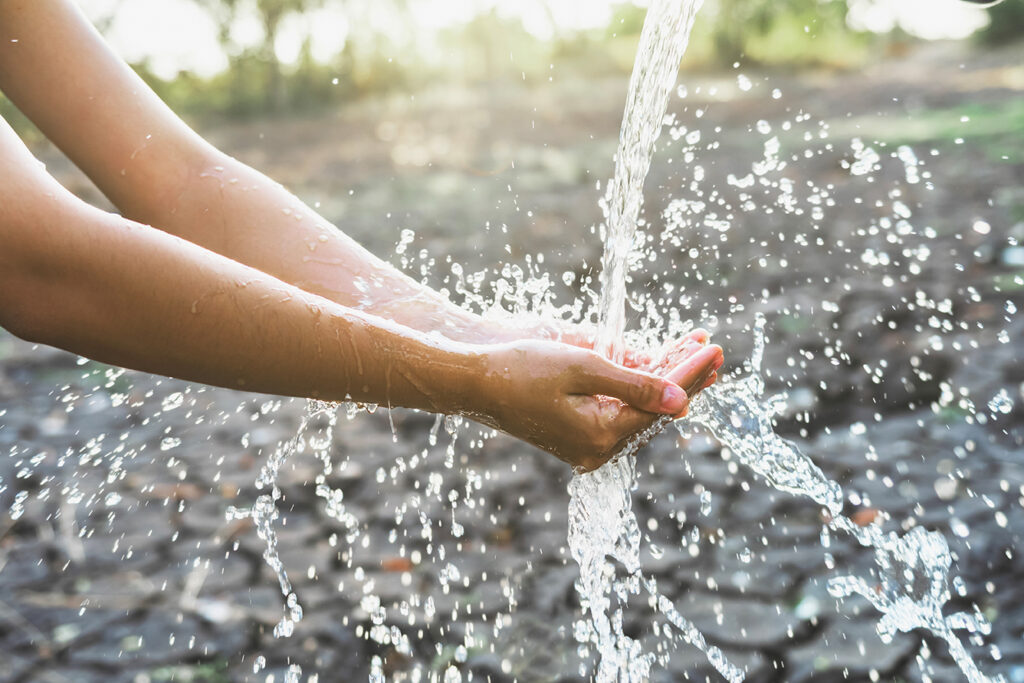
The world’s water is sensitive to global temperature rise, leading to both shortages and overabundance.
- Scarcity
- Contamination
Higher evaporation rates due to extreme heat and prolonged drought deplete freshwater reservoirs.
Extreme weather causes stormwater runoff, which introduces agricultural and industrial contaminants into our drinking water.
Impacts on food
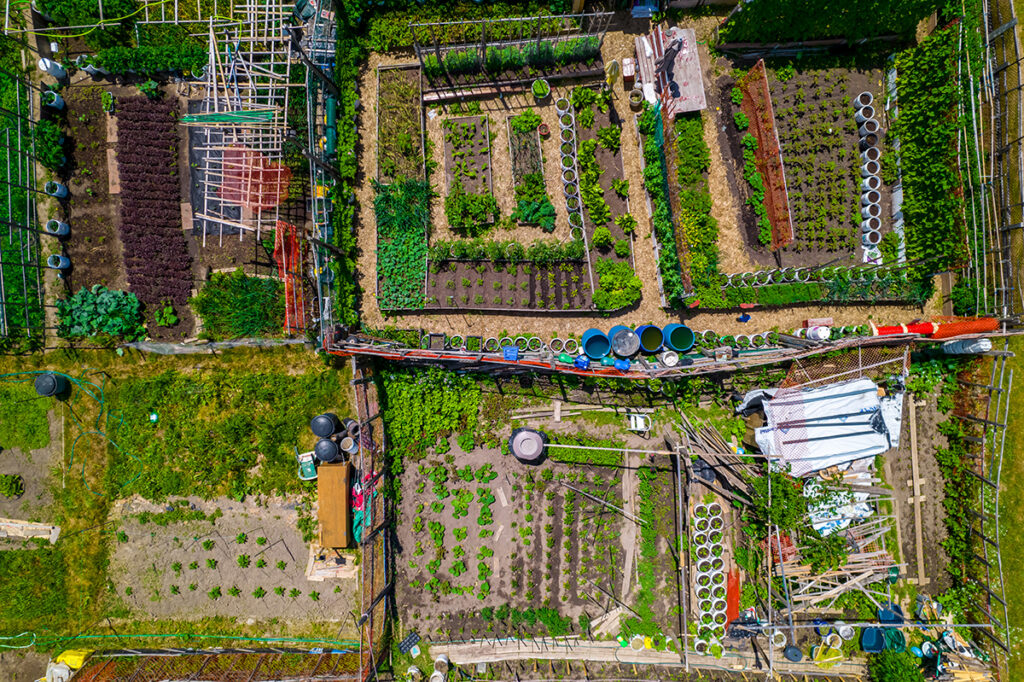
Growing, processing, transporting, distributing, preparing, and consuming food creates greenhouse gases that trap the sun’s heat and contribute to climate change. Climate change alters agriculture making it unstable and less predictable.
- crops
- nutritional value
- livestock/seafood
Shifting rainfall patterns, prolonged droughts, and severe heatwaves reduce the productivity of staple crops globally (rice, wheat, corn, beans, and tubers).
Elevated CO2 levels decrease the protein and essential mineral content in crops like rice and wheat. Studies show that increased atmospheric CO2 directly decreases the concentration of vital nutrients (protein, zinc, and iron) and increases carbohydrates.
Source: Less Nutritious Crops: Another Result of Rising CO2. Hopkins Bloomberg Public Health.
Warmer oceans stress marine ecosystems and lead to higher chemical concentration, like mercury.
Livestock are impacted by extreme weather, droughts, and heat.
Impacts on health
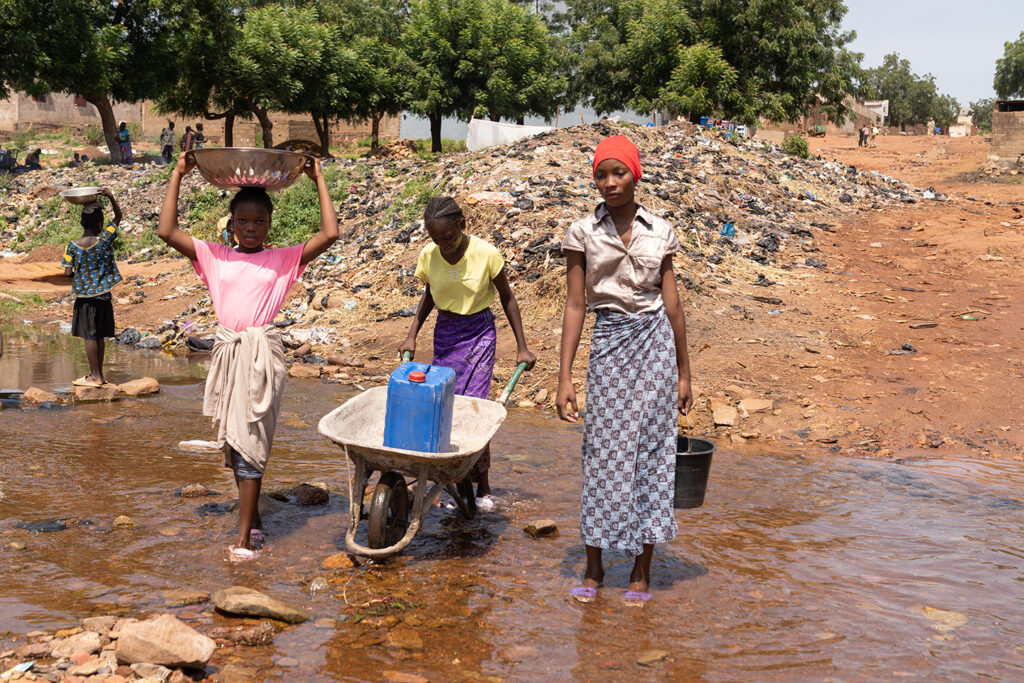
Health consequences stem from the cascading impacts on our food and water.
- disease increases
- Illnesses
- malnutrition
Warmer temperatures and increased rainfall expand the habitats of disease-carrying insects (like mosquitoes and ticks), escalating rates of diseases (e.g., malaria and Lyme disease).
Bacteria multiply much faster in warm environments, leading to higher rates of Salmonella and E. coli.
Reduced agricultural yields increase food prices and force vulnerable populations toward calorie-rich but nutrient-poor diets.
Image credits
Unless otherwise noted, images are from Adobe Stock.