

Gross Anatomy

Gross Anatomy quick links The Anatomy thread in the curriculum will provide students with a thorough introduction to the structure, development, and function of the human body. It is organized to encourage active participation in the learning process. Students will gain the ability to recognize normal anatomic structures, appreciate their developmental histories, and understand relationships […]
Error Disclosure

The pre-work for this learning activity should take no more than 1 hour to complete. Welcome Please complete this module to prepare you for your upcoming interprofessional education (IPE) session. This preparation should be completed prior to your IPE session. At the end of this module, you will download a profession specific encounter on an error […]
Style guide samples
Abstract Saved as global. Used in LMH 523. Best to avoid official abstracts, which belong on E.Flo MD. abstract Teaching is one of the core components of the professional identity of a physician. During this week, we will re-introduce you to the world of health professions education, discussing the science behind learning and teaching, using […]
Gender and sexual and reproductive health 101

A note These materials were adapted from the Global Health Learning Center, U.S. Agency for International Development. Image credits Unless otherwise noted, images are from Adobe Stock.
11. Knowledge check: Gender analysis

Gender AnalysisKnowledge Check Now that you’ve completed this session, test your knowledge on this subject. Taking this quiz will reinforce key points and identify gaps in learning. Question Gender analysis is: A systematic way of examining the differences in roles and norms for women and men, girls and boys. A systematic way of assessing the […]
10. Conducting the gender analysis

Gender analyses can and should take place at every stage of the project cycle. The process should be systematic and all results should be documented to ensure that the program is able to appropriately address the (often complex) gender issues identified. Sources of data for gender analysis include: published research studies and other existing quantitative […]
9. Case study: Women’s involvement in Malawi

Community health workers (CHWs) for a health program in Malawi are mostly men. This is typical in Malawi because job descriptions for CHW positions require a high school diploma even when they are not necessary to be successful in the position. Few women in Malawi attend high school, often due to inequitable gender norms. A mix of […]
8. Gender analysis

Building Awareness There is a systematic method to identify gender norms and inequities through gender analysis, beginning with building awareness. Health professionals should consciously question how their projects and programs address gender. Understanding key analytic concepts and questions can help you to identify concrete linkages between gender and health in the specific program or policy […]
1. Gender terms and concepts
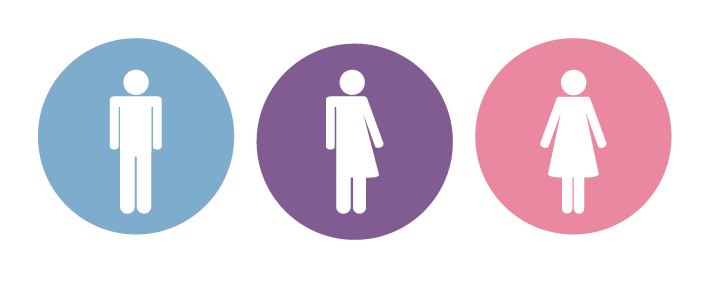
What is the Difference Between Sex and Gender? Sex is the classification of people as male or female. At birth, infants are assigned a sex based on a combination of bodily characteristics including: chromosomes, hormones, internal reproductive organs, and genitalia. For example: Parents, family, and friends are often eager to learn the sex of a baby. Gender is […]
2. Case study: PROCOSI
In Bolivia, women suffer from higher rates of poverty, illiteracy, unemployment, and gender-based violence, and lower rates of political participation than men. Healthcare clinics often overlook the inequities between women’s and men’s lives, including power, decision-making capacity, and access to resources, as well as varying communication patterns. These inequities limit women’s ability to access and […]