

Lab 19: Posterior Leg and Plantar Foot
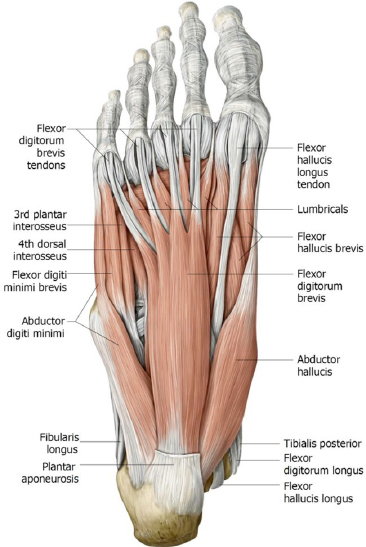
Download this lab as a PDF Goals Identify the small saphenous vein and the sural nerve. Dissect and identify muscles, nerves, and vessels in the posterior compartment of the leg. Dissect and identify muscles, nerves, and vessels on the sole of the foot. Clean and identify the contents of the tarsal tunnel. Osteology Complete anatomy […]
Lab 18: Anterior and Lateral Leg, Knee and Ankle Joints, and Dorsum of Foot
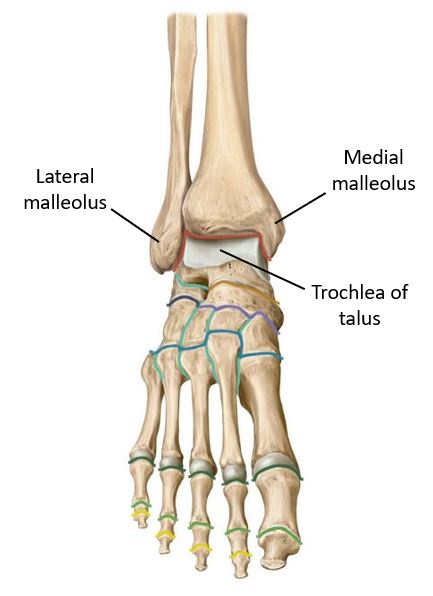
Download this lab as a PDF Goals Identify bony features associated with the knee, leg, and ankle. Identify the muscles in the anterior and lateral compartments of the leg and discuss their actions, innervations, and blood supply. Identify the muscles, nerves, and vessels on the dorsum of the foot. Identify the bones, ligaments, and cartilages […]
Protected: Lab 27: Face, Parotid Gland, and Superficial Neck
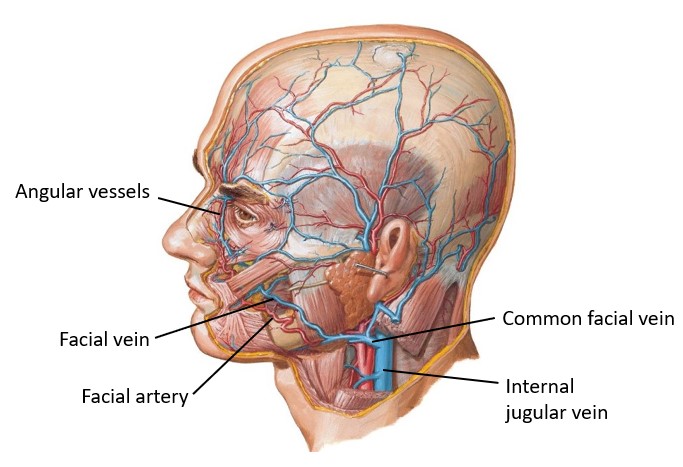
There is no excerpt because this is a protected post.
Protected: Lab 26: Scalp, Cranial Cavity, and Meninges
There is no excerpt because this is a protected post.
Lab 17: Gluteal Region, Posterior Thigh, and Popliteal Fossa
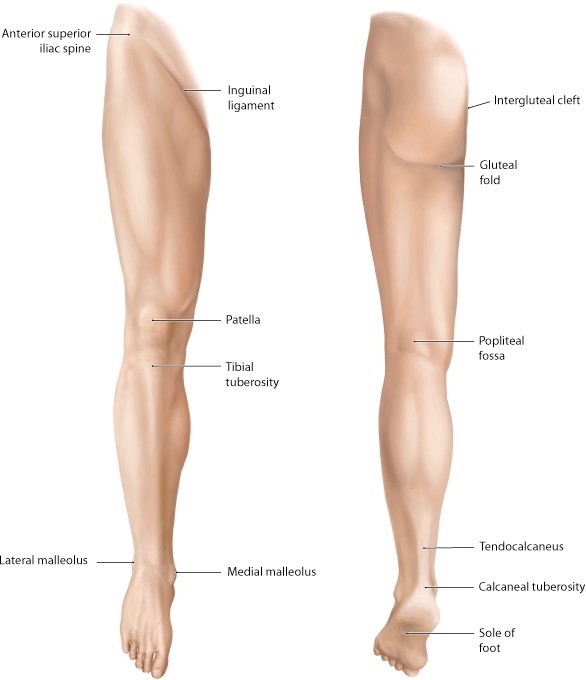
Download this lab as a PDF Goals Clean and identify the muscles, nerves, and vessels of the gluteal region. Identify the greater sciatic foramen and the structures that traverse it. Clean and identify the muscles, nerve, and vessels of the posterior compartment of the thigh. Identify the boundaries and contents of the popliteal fossa. Osteology […]
Station 1. Meninges and ventricles
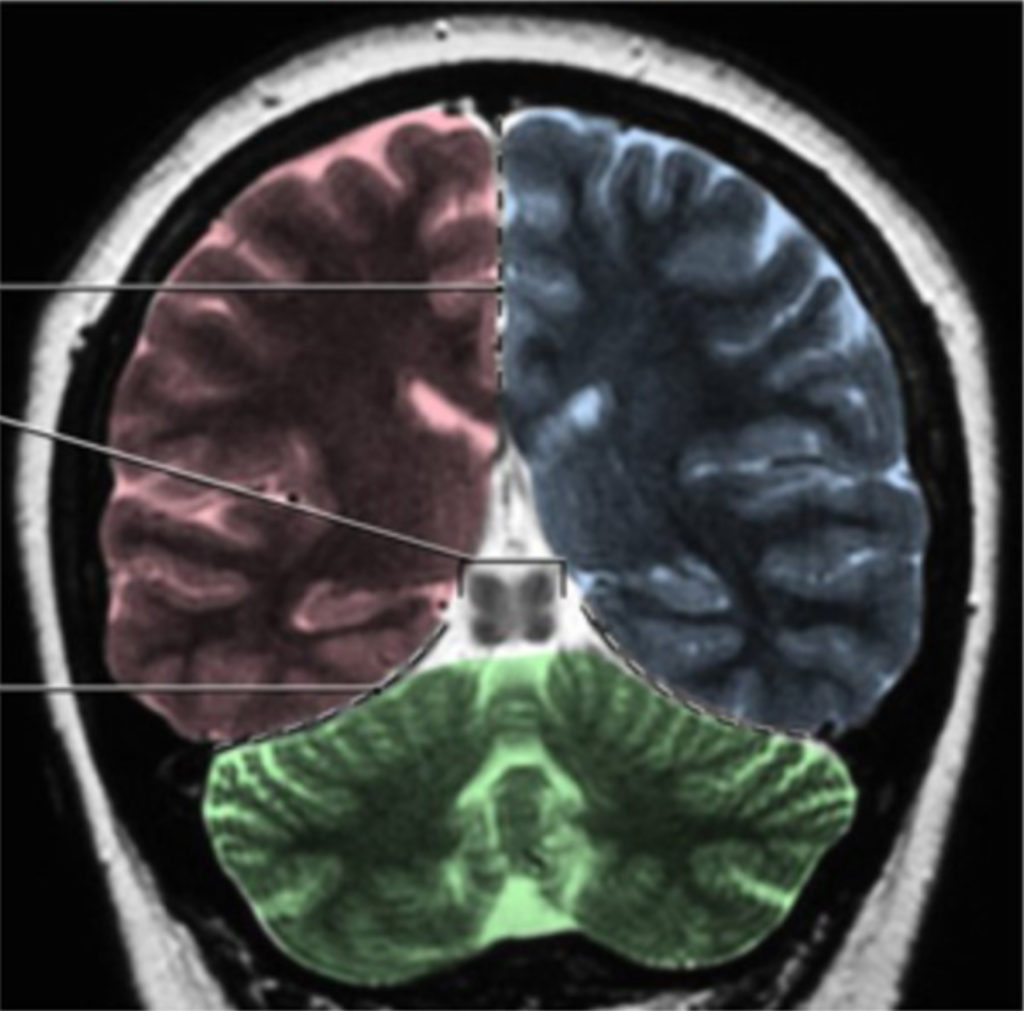
Neuroanatomy lab navigation Identify the parts of the ventricular system on a mid-sagittal brain, coronal sections, and model. The formation of the ventricular system, as it relates to development, was discussed in the Neuroembryology session. Review the clinical significance of the flow and blockage of CSF For further reference Figure 1. Figure 2. skip render: […]
Station 5. Blood supply and circulation
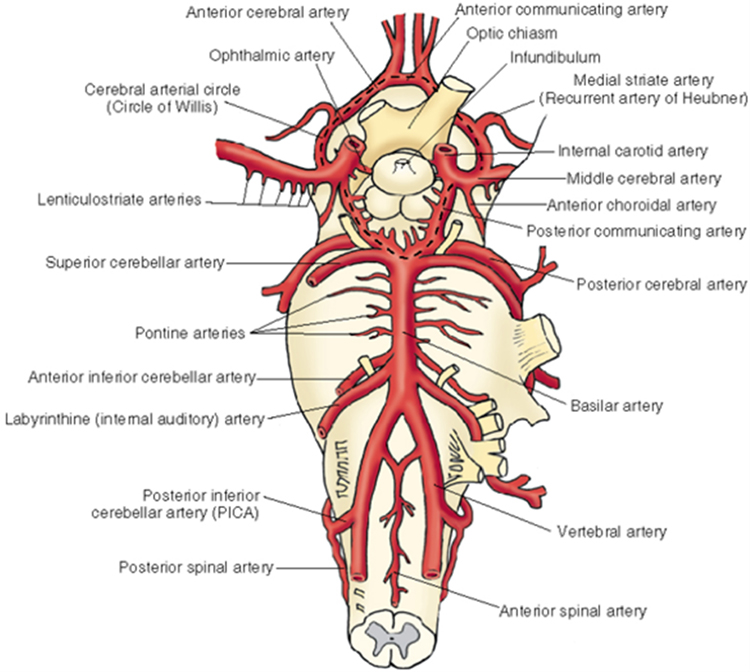
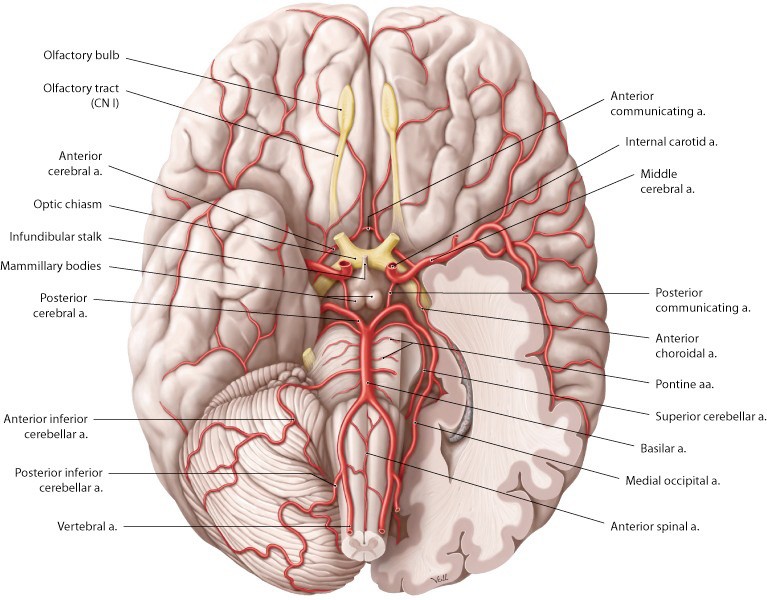
Neuroanatomy lab navigation Arterial blood supply Review and identify the arterial supply. Vertebral arteries supplying the brainstem and cerebellum skip render: ucaddon_checklist skip render: ucaddon_checklist skip render: ucaddon_checklist Internal carotid supplying the midbrain, thalamus, hypothalamus, and cerebrum skip render: ucaddon_checklist An episode of vascular insufficiency to neurons leads to a stroke. Ischemic strokes are sudden […]
Station 3. Diencephalon
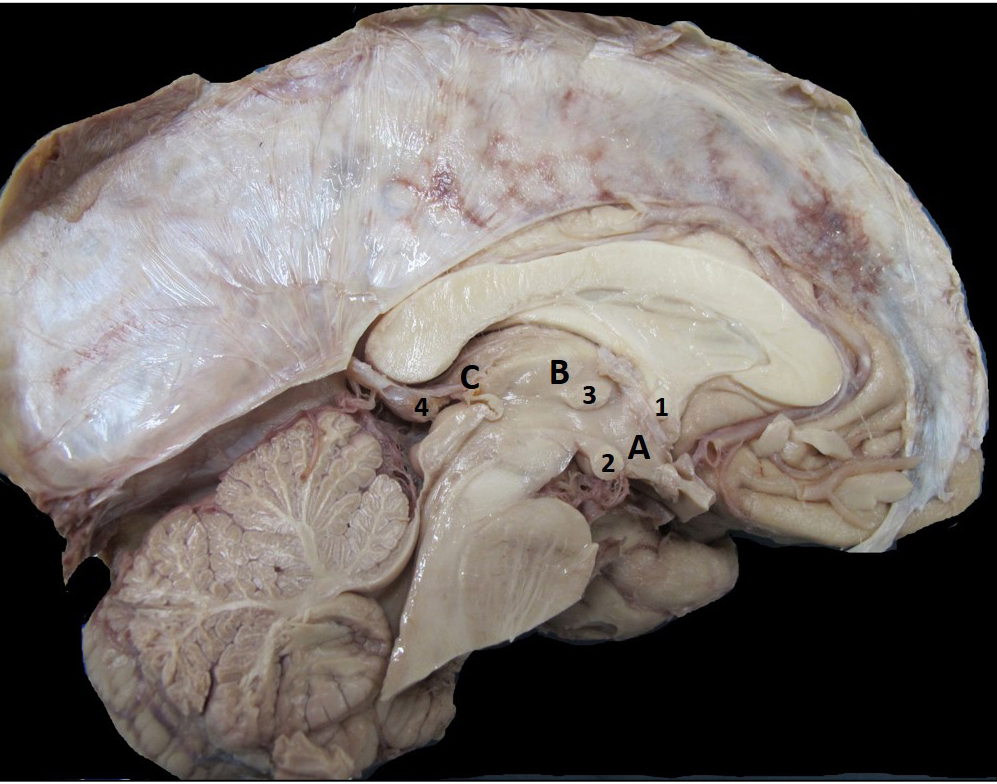
Neuroanatomy lab navigation The diencephalon is composed of the thalamus, hypothalamus, and epithalamus. Thalamus The thalamus is key structure that relays information to the cortex associated with motor and sensory information. There are also thalamus nuclei that form the connections in the memory and emotion circuit from the hippocampal formation. This portion of the thalamus […]
Station 2. Cerebrum, sulci, and gyri

Neuroanatomy lab navigation Introduction to neuroanatomy Figure 1. Anatomic directional terms. From Neuroanatomy: A Laboratory Guide (2e); Jansen and Lampa. Introduction to the Central Nervous System Watch this excellent Introduction to the Central Nervous System from University of British Columbia Neuroanatomy. Cerebrum, sulci, and gyri Lobes of the cerebrum Recall that the surfaces of the […]
Station 4. The brainstem
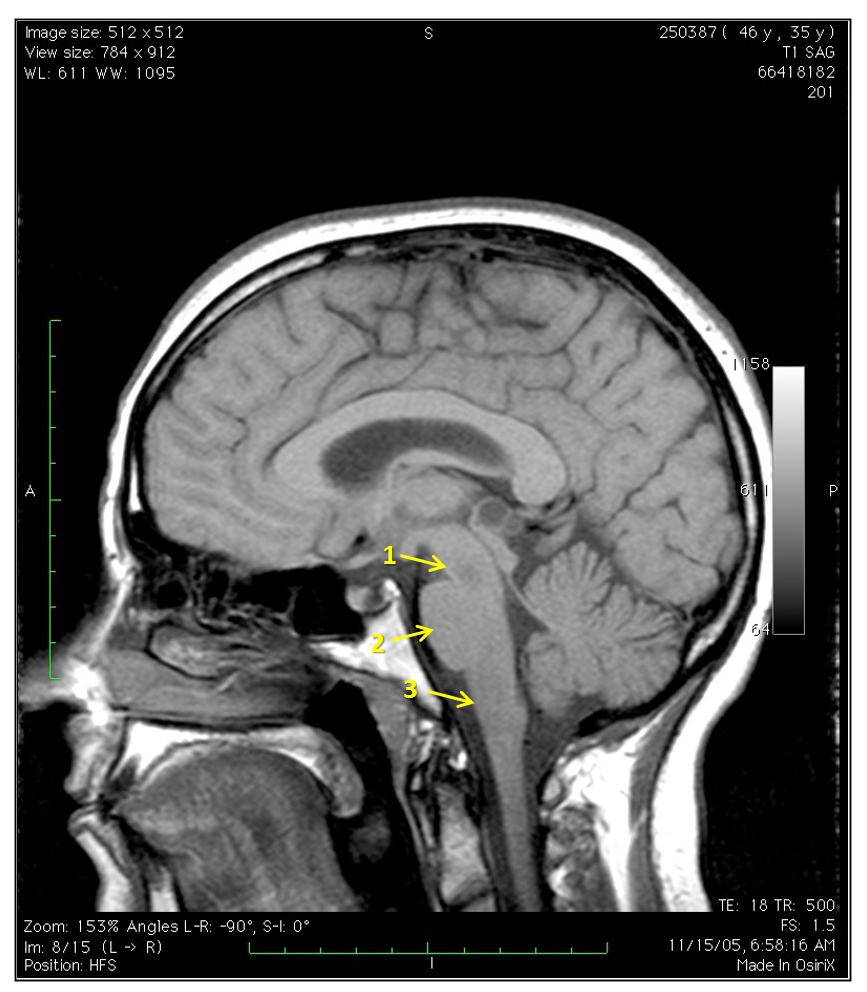
Neuroanatomy lab navigation Parts of the brainstem Midbrain Mesencephalon Pons Metencephalon Medulla Myelencephalon The basal subdivision of the brainstem is the most anterior and contains mostly the descending fiber tracts. The tegmentum is the location of the cranial nerve nuclei, ascending fiber tracts, and the reticular formation. In the medulla, it also contains important neurons […]