

Protected: Lab 30, Station 5: Blood Supply of GI Tract
There is no excerpt because this is a protected post.
Protected: Lab 30, Station 4: Supracolic and Infracolic Organs
There is no excerpt because this is a protected post.
Protected: Lab 30, Station 3: Peritoneum, Peritoneal Cavity, and Mesenteries
There is no excerpt because this is a protected post.
Protected: Lab 30, Station 2: Oral Cavity, Pharynx, and Esophagus
There is no excerpt because this is a protected post.
Protected: Lab 30, Station 1: Muscles of Mastication, Salivary Glands, and Teeth
There is no excerpt because this is a protected post.
Protected: Lab 30: Digestive System review lab
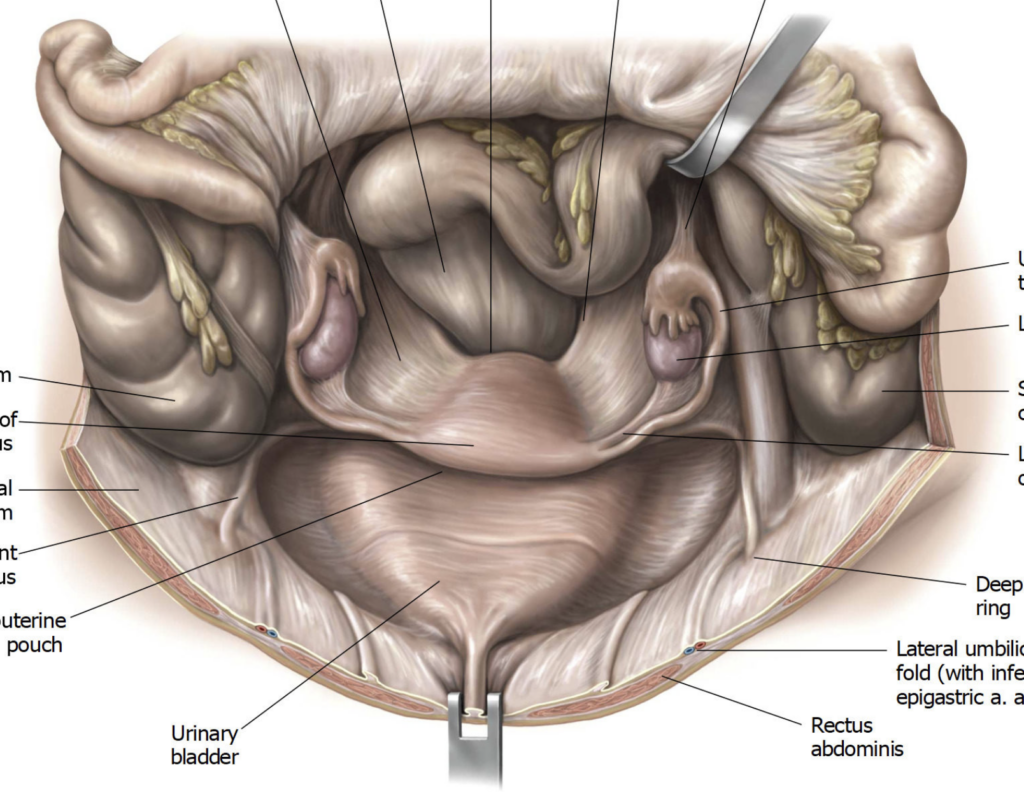
There is no excerpt because this is a protected post.
Lab 24: Orbit and Ear
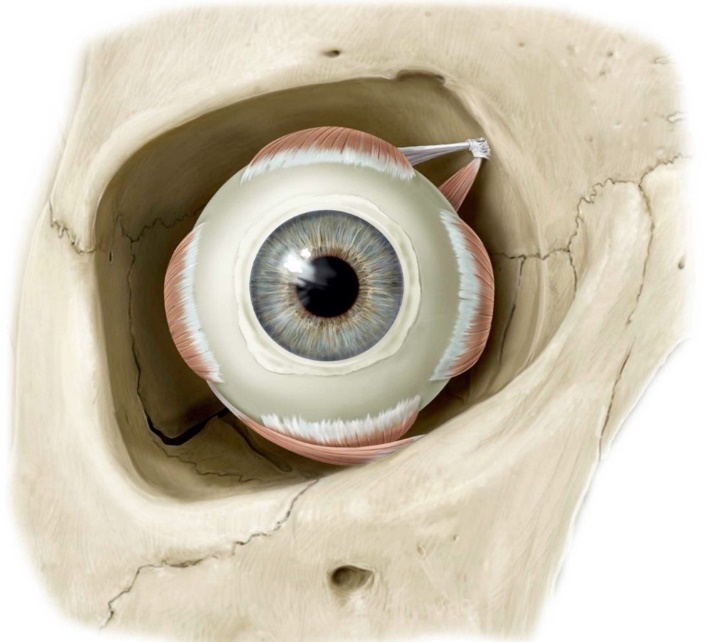
Download this lab as a PDF Goals Identify the bony walls and foramina of the orbit. Open the orbit via a superior approach on both sides and dissect its contents. Find the lacrimal gland in the cadaver and study the lacrimal apparatus on a model. Dissect the orbit from an anterior approach on both sides […]
Lab 28: Nasal Cavities, Oral Cavity, and Pharynx
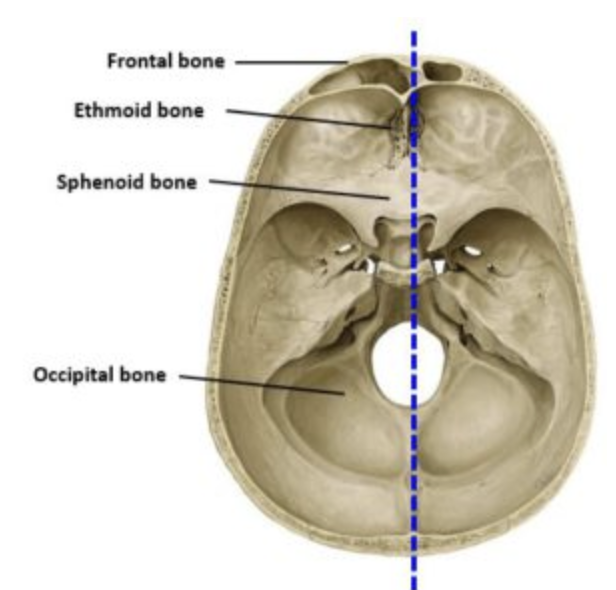
Download this lab as a PDF Goals Bisect the head of your donor in the sagittal plane to expose the nasal cavities, oral cavity, and pharynx. Identify the parts of the nasal septum. Identify the turbinates and meatuses on the lateral nasal wall; remove the middle turbinate and identify the structures within the middle meatus. […]
Lab 27: Infratemporal Fossa and Floor of Mouth; Bony Anatomy of Pterygopalatine Fossa
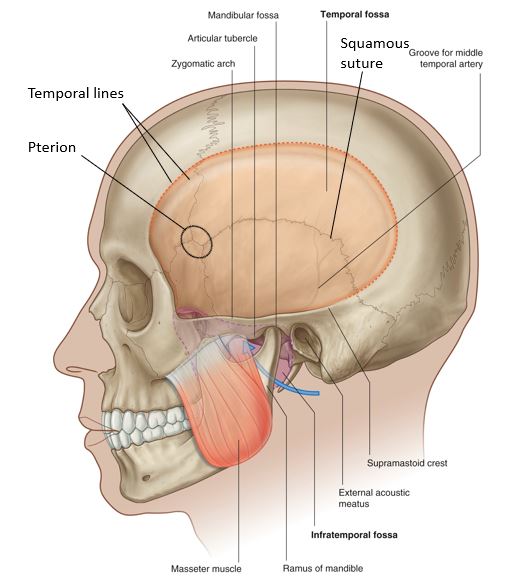
Download this lab as a PDF Goals Identify the temporal fossa and temporalis muscle. On a skull, identify the borders of the infratemporal fossa (ITF) and the foramina that connect it to other regions in the head. Clean the masseter muscle on one side of the face and remove it from the mandible. Use an […]
Lab 26: Posterior Triangle of Neck, Deep Neck, and Root of Neck
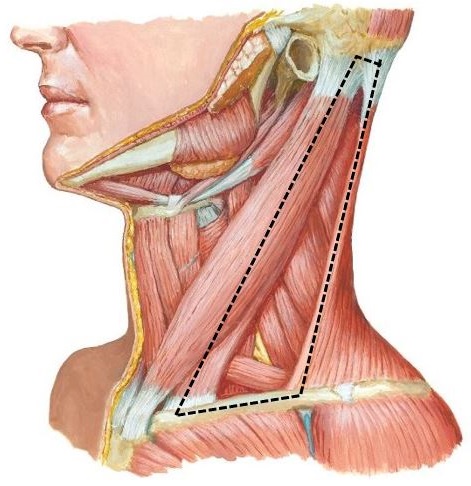
Download this lab as a PDF Goals Clean and identify the contents of the posterior triangle of the neck. Perform a deep dissection to examine the sympathetic trunk and prevertebral muscles. Review the bony anatomy of the superior thoracic aperture and identify its contents. Clean and identify the structures in the root of the neck. […]