

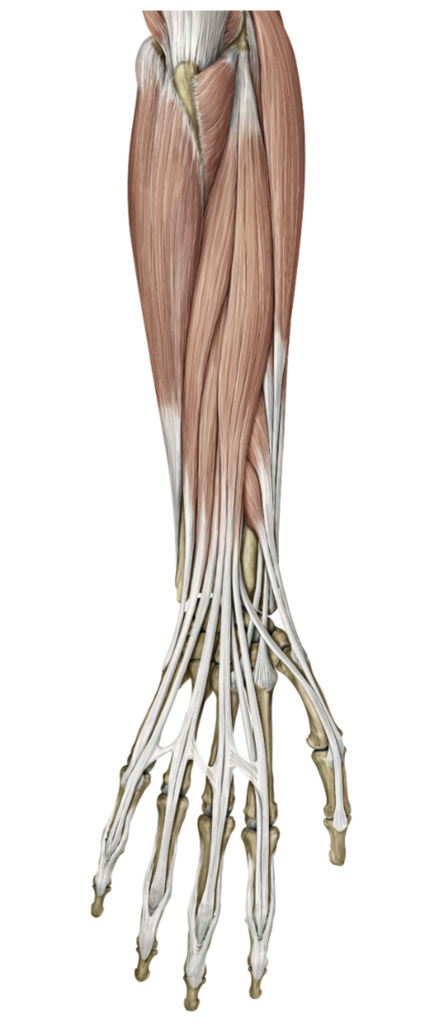
Posterior forearm
Trigger Words
Knowing complete details about each organism is the best way to build your knowledge. But you will need to recognize common associations to answer case-based questions like those found on standardized tests. Use this Trigger Words matching activity to test your knowledge of these common associations. There are four total matching activities. Active learning To […]
Digital Publishing workload and potential
Digital Publishing workload
Summary Table: GI Protozoa

Compare and contrast Take a screenshot and use your Apple pencil to complete the table. When you have completed the table, check your answers. Organism Microbiology/Category Clinical Features Epidemiology Transmission/Prevention Diagnosis Treatment Entamoeba histolytica Giardia Cryptosporidium […]
Case Studies
Your session guides will show you which case study to work through for each large-group session. These cases will be referenced during your large-group sessions where you will have an opportunity to apply your knowledge.
Mystery Questions
Similar to the Trigger Word exercise, Mystery Questions are available for you to test your knowledge and aid your memorization efforts. Some of them use common associations found in standardized tests, and some use silly descriptions or associations to help you remember key features of certain organisms and syndromes. You will get the most out […]
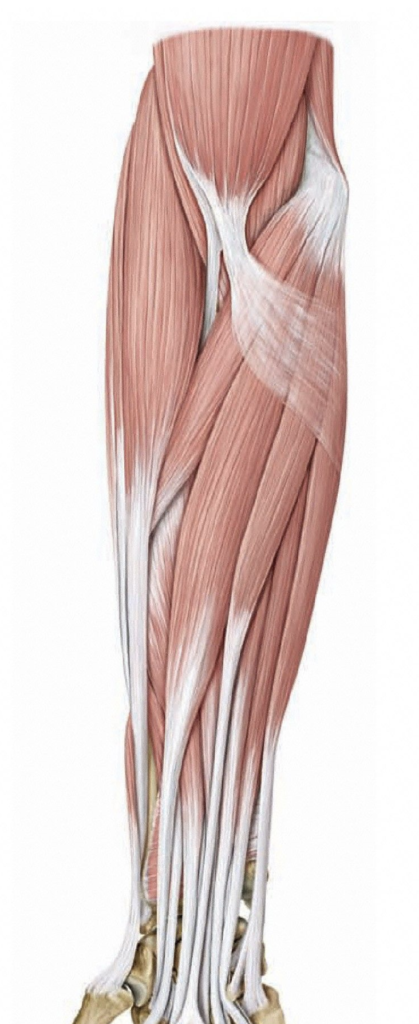
Cubital fossa and anterior forearm
Autonomic innervation of thoracic organs
Now let’s take the principles of the ANS that we learned in Principles of the autonomic nervous system (ANS) and apply them specifically to innervating thoracic organs. Autonomic nerve plexuses Autonomic motor and visceral afferent fibers reach and leave thoracic organs through autonomic nerve plexuses. Concept In autonomic plexuses, parasympathetic and sympathetic fibers and visceral […]
Heart and pericardium
Location of the heart and pericardium The heart and pericardium are located in the mediastinum, resting atop the diaphragm, between the lungs and pleural cavities. Owing to its development, most of the heart is located to the left side of the body’s midline. The size of the heart is described as that of the person’s […]
Pleura, pleural sacs, and lungs
Pleura and pleural sacs Pleura is a serous membrane associated with the lungs. Pleura comes in two varieties: Visceral pleura Visceral pleura invests each lung; in fact, it forms the outermost layer of the organs themselves. It is snugly adherent and difficult to remove. Being structurally part of the lungs, it is derived from splanchnic […]