

Congenital heart disease session 2
Note: If you wish to speed up the viewing process, increase the playback speed to 1.25.
Congenital heart disease session 1
Note: If you wish to speed up the viewing process, increase the playback speed to 1.25.
Protected: Lab 13: Dissection: Posterior Abdominal Wall (PAW) and Kidneys
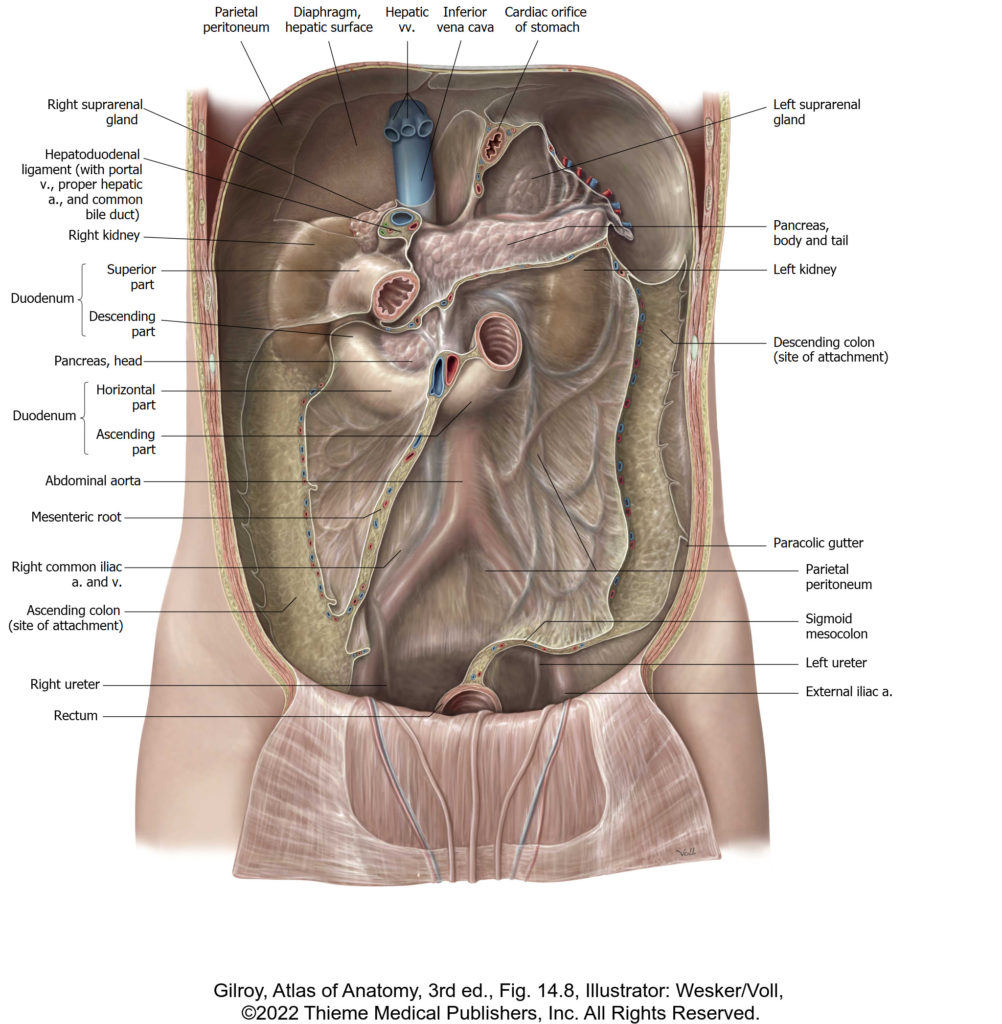
There is no excerpt because this is a protected post.
Introduction to viruses
High-yield summary Viral structure and classification All viruses contain genetic material (DNA or RNA, never both) and a protein capsid. Some viruses have an envelope derived from the host cell membrane. Classification by genetic material: DNA viruses (e.g., Herpesviridae, Adenoviridae) and RNA viruses (e.g., Orthomyxoviridae, Retroviridae). Baltimore Classification groups viruses based on their replication strategy […]
Service Learning

Service Learning is a teaching and learning strategy that integrates meaningful community service with instruction and reflection to enrich the learning experience, teach civic responsibility, and strengthen communities.1 Service Learning provides both academic and social connections. Research has shown it to be an important element in student success. Students who engage in Service Learning activities […]
Introduction to vaccines
High-yield summary Types of vaccines Live Attenuated: Replicates, broad immune response, contraindicated in immunocompromised and pregnancy Inactivated: No replication, safer for immunocompromised and pregnancy Polysaccharide and Conjugate: Capsule-targeted, age-dependent response, T-cell independent/dependent Protein Subunit: Toxoids, VLPs, recombinant proteins Viral Vector: Recombinant expression in vivo, adenovirus/VSV Nucleic Acid: mRNA/DNA vaccines, e.g., COVID-19 vaccines Immunology and […]
Other therapies
Albendazole (Albenza) Class(es) Anthelmintic Clinical use(s) FDA approved: echinococcosis, neurocysticercosis. Off-label/clinical use: Ascariasis, capillaria, clonorchiasis, giardiasis, microsporidia (HIV), hymenolepis nana infection, loa loa, trichuriasis. Mechanism(s) of action Causes parasitic death by binding to colchicine-sensitive site of beta tubulin inhibiting their polymerization into microtubules. Key adverse effects Abdominal pain, headache, abnormal liver function tests, N/V, SJS. […]
Tuberculosis
This is the LP for this topic. Include Antituberculars on this page. This URL may need to change. Public Health may want to link to this page.
Other antibiotics
Clindamycin (Cleocin) Class(es) Lincosamide Clinical use(s) FDA approved: Bacterial disease (severe) Including susceptible infections due to anaerobic and aerobic gram positive organisms. Off-label/clinical use: Acne vulgaris (topical). Mechanism(s) of action Inhibits protein synthesis at the level of the 50S ribosomal subunit. Key adverse effects The most common reported AE is mild to moderate morbilliform-like skin […]
Cephalosporins
Cephalexin (Keflex) Class(es) 1st-generation cephalosporin Clinical use(s) FDA approved: Skin and soft tissue infection, osteomyelitis. Off-label/clinical use: Prophylaxis for bacterial endocarditis. Mechanism(s) of action Binds to penicillin binding proteins in cell wall membrane. Key adverse effects C. diff–associated diarrhea (CDAD), seizures (high doses especially in renal impairment) Key drug/food interactions Concurrent use of loop diuretics […]