

Drugs for dysrhythmias
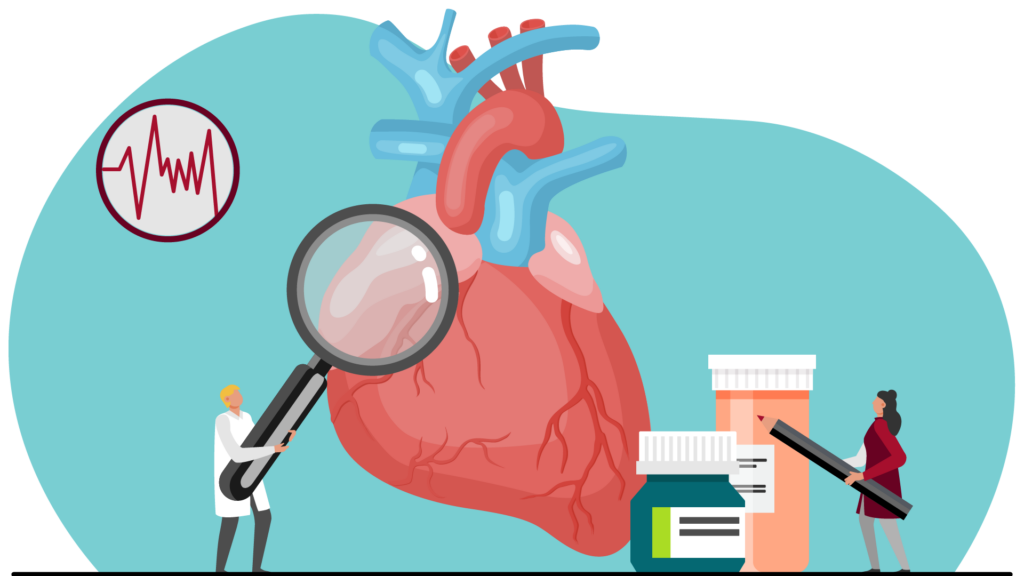
Learning goals Describe the mechanism of action (including impact on ion channel(s), electrophysiologic action potential, and electrocardiogram) of antiarrhythmic drugs. Identify generic drug names and classify them according to their Singh Vaughan–Williams cardiac antiarrhythmic class. Describe adverse effects and contraindications of antiarrhythmic drugs. Describe drug interactions of antiarrhythmic drugs. Hello and welcome! This module is […]
Orbit, eyelids, and lacrimal apparatus
Optional reading Clinically Oriented Anatomy, 9th ed., Head chapter, Orbits, eyeball, and accessory visual structures section through Lacrimal apparatus; Extra-ocular muscles of orbit section through Surface anatomy of eye and lacrimal apparatus. The orbit is the bony “eye socket” that contains the eyeball, extra-ocular muscles, nerves and vessels, and the lacrimal gland. It is protected […]
Climate Change and Heat Impacts
Sections
Protected: Lab 20: Dissection: Pericardium, Heart, and Mediastinum
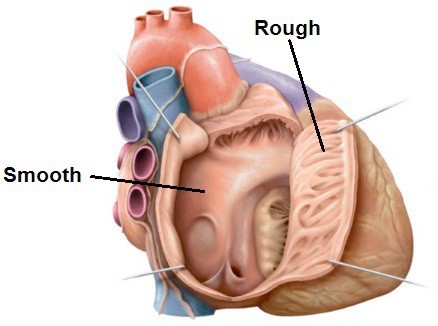
There is no excerpt because this is a protected post.
Small vessel vasculitis
Optional resources American College of Rheumatology (ACR) Rheum2Learn 2.0: Small Vessel Vasculitis Estimated time: 10–15 min. (Cases 2 and 3 only) Rheum2Learn 2.0 is a free, case-based online program from the ACR that uses interactive patient cases to build core skills in recognizing and managing rheumatic diseases. Flexible and self-paced, it’s designed for students, residents, […]
Protected: Lab 19: Posterior Leg and Plantar Foot
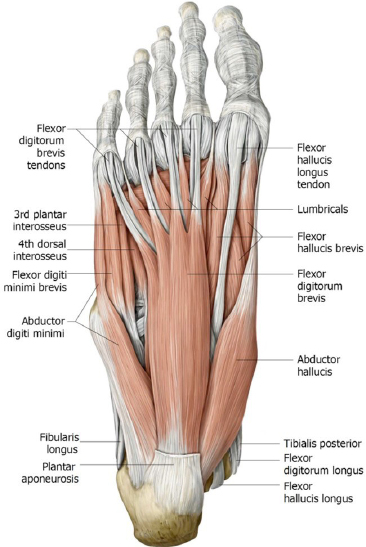
There is no excerpt because this is a protected post.
Urinary tract infections (UTIs)
Learning goals Compare epidemiology, microbiology, pathogenesis, and host risk factors for cystitis, pyelonephritis, and health-care associated urinary infections Compare and contrast the clinical presentations, diagnosis, treatment approach, and potential complications for cystitis, pyelonephritis, and prostatitis This session covers the clinical entity of urinary tract infections and will build off of concepts/learning in the session on […]
Gram-negative bacteria: Systemic and urinary pathogens (“The all stars”)
Learning goals Compare and contrast the microbiologic characteristics, pathogenic features, and diseases associated with Escherichia coli, Pseudomonas aeruginosa, Proteus, and Klebsiella pneumoniae Compare and contrast the virulence factors and clinical diseases associated with the six pathogenic types of Escherichia coli Describe cellular features of gram-negative bacteria and the immune response to invasive gram-negative infections This […]
Protected: Lab 18: Anterior and Lateral Leg, Knee and Ankle Joints, and Dorsum of Foot
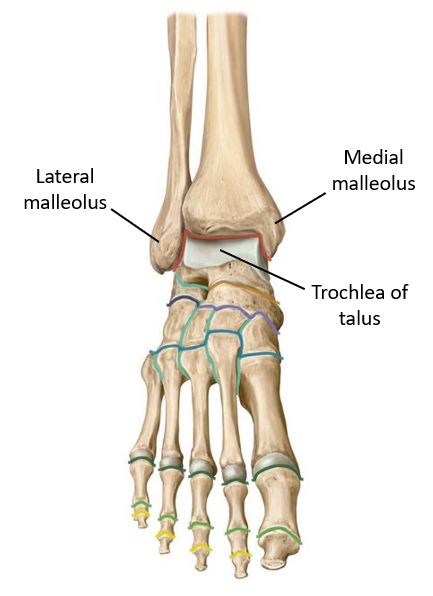
There is no excerpt because this is a protected post.
Respiratory System
Welcome to the Respiratory System! The purpose of this system is to introduce concepts in respiratory physiology and to apply these concepts to pathophysiology as we explore the landscape of pulmonary diseases. As with other organ systems, you will find that in pulmonary medicine there is significant overlap [Cardiovascular, Urinary/Renal, Immune, Heme (but really all […]