

Micro-ID topics
Protected: Lab 9: Mediastinum and Heart
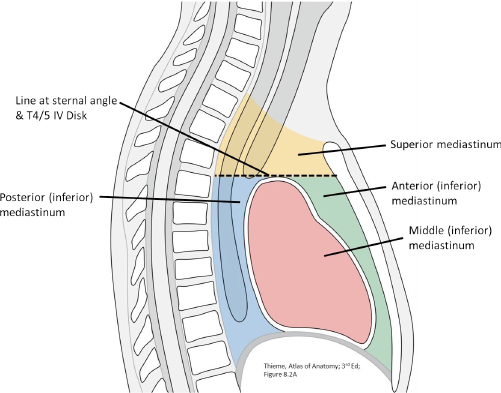
There is no excerpt because this is a protected post.
Microbiome, normal flora, and antimicrobial stewardship
High-yield summary Microbiome basics Microbiome = all microbes + their genomes + the environment they occupy. Humans have ~38 trillion microbial cells (more than human cells). Major phyla: Firmicutes (Gram+ anaerobes) Bacteroidetes (Gram– anaerobes) Proteobacteria (Gram– facultative rods) Actinobacteria (Gram+ bacilli) Normal flora by site Carrier state: colonization with potential pathogen (e.g., S. aureus). […]
Key zoonoses
Naturally transmitted from animals to humans. Arthropod-borne bacteria and parasites Fleas Endemic typhus/murine typhus/Rickettsia typhi, epidemic typhus/Rickettsia prowazekii, Tunga penetrans Flies Sand Fly/Phlebotomus-cutaneous and visceral leishmaniasis, Tsetse Fly-African Sleeping Sickness/ T. brucei), Black Fly/Simulium-Onchocerciasis, Mango Fly/Chrysops-Loa Loa, Bot flies-Myiasis Mites/Chiggers Scrub typhus/Orientia tsutsugamushi, Scabies, Hair follicle mite/Demodex Mosquitos Malaria/Plasmodium, lymphatic filariasis/e.g. Wuchereria (many ARBO viruses […]
Notable bacterial toxins and mechanisms
These are exemplars of the most notable toxins and their mechanisms. Organisms such as Clostridia perfringens, Staphyloccoccus aureus, and Pseudomonas have a variety of toxins, some of which use similar mechanisms. Anthrax A/B toxin with three-protein components. Cell binding component is called protective antigen. There are two enzyme components: Edema factor Acts as adenylate cyclase […]
Infections based on predominant disease location (tropism)
Healthy Organisms associated with a healthy microbiome Bacteroides (GI tract) Lactobacillus (Vagina) Staphylococcus epidermidis (Skin) Head Central Nervous System (CNS) Meningitis: Differentiate by age (newborn, adult, elderly) and by “septic” (culture +) vs “aseptic” (culture negative – usually virus, prior antibiotics, or drug-induced). Bacteria: Neonate: E. coli, Group B Strep, Listeria Infant: Neisseria meningitidis, Strep […]
Outline of parasitic diseases and organisms according to site/specimen
Blood Plasmodium, Babesia, Trypanosoma, Microfilaria (Leishmania and Toxoplasma can be blood-bourne, but are not usually seen on the peripheral blood smear.). CSF Trypanosoma brucei, Naegleria, Angiostrongylus (eosinophilic meningitis). Brain Neurocysticercosis (Tinea solium), Toxoplasma. Eye Acanthamoeba, Toxoplasmosis, Onchocerciasis, Loa loa, visceral larva migrans (Toxocariasis). Mouth/Throat Ascaris. Sputum/Lung Ascaris, Strongyloides, Pneumocystis, Paragonimus. Abdomen/Ascites Echinococcal cysts, Entamoeba histolytica […]
Pharmacology: Introduction to antimicrobial therapy
High-yield summary Learning goals Understand five mechanisms of antibiotic action Differentiate empiric vs. directed therapy Recognize bacterial resistance mechanisms Apply PK/PD principles: bacteriostatic vs. bactericidal, time vs. concentration dependence Mechanisms of action Cell Wall Synthesis Inhibition: Penicillins, Cephalosporins, Carbapenems, Vancomycin. Protein Synthesis Inhibition: Aminoglycosides (30S), Macrolides, Clindamycin, Tetracyclines (50S). Cell Membrane Disruption: Daptomycin, Polymyxins. […]
Principles of laboratory diagnosis
High-yield summary Learning goals Compare direct examination, culture, serologic, and molecular methods for identifying microorganisms. Differentiate diagnostic approaches for bacteria vs. viruses. Understand how to select appropriate microbiologic diagnostic tests. Direct examination Uses stains (Gram, Acid-fast, fluorescent) to visualize organisms directly from specimens. Low sensitivity/specificity; risk of false positives/negatives. Gram stain: differentiates Gram-positive (purple) […]
Protected: Lab 8: Dissection: Chest Wall, Overview of Thoracic Cavity
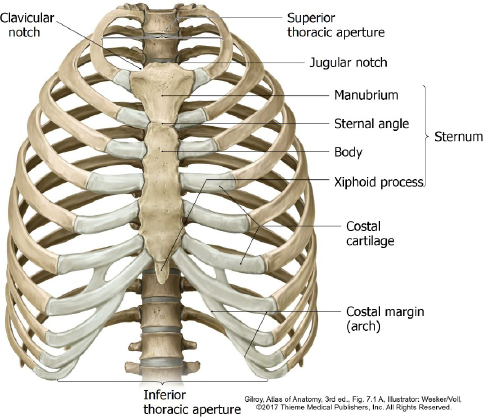
There is no excerpt because this is a protected post.