

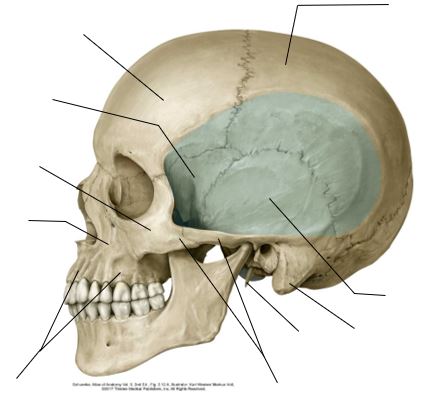
Protected: Lab 23, Station 1: Osteology Associated with the Oral Cavity
There is no excerpt because this is a protected post.
Sexually transmitted infections (STIs): Urethritis, cervicitis, vaginitis, and PID
High-yield summary Urethritis/Cervicitis: Syndromic approach Many are asymptomatic, especially in females Men Dysuria Thin mucoid discharge Pelvic pain Women Postcoital bleeding Mucopurulent discharge PID: look for cervical motion tenderness Think Chlamydia trachomatis (D-K) → most common cause Neisseria gonorrhoeae Less commonly: Mycoplasma genitalium Trichomonas HSV Chlamydia trachomatis (D-K) Key features Elementary body ↔ reticulate body […]
Sexually transmitted Infections (STIs): Genital ulcers and warts
High-yield summary Genital ulcer disease Key Differential A patient with a genital ulcer can usually be differentiated by: Disease Pain Ulcer Appearance Lymph Nodes Organism HSV Painful Multiple vesicles → shallow ulcers Tender HSV-2 most common for genital ulcers Primary syphilis Painless Single indurated chancre Nontender, rubbery Treponema pallidum Chancroid Very painful Soft ragged ulcer […]
Planetary health
Planetary Health recognizes that “human health and the health of the planet are inextricably linked.”1 It is a concept that focuses our understanding on the interdependence of human health, animal health, and the health of the environment.2 Awareness of how the escalation of human pressure on the global environment led to impairment in ecosystems, creating […]
Population and Community Health

Population and Community Health represents one of the most expansive and interconnected domains in healthcare, examining health patterns, determinants, and interventions at the collective level rather than focusing solely on individual patient care. This thread forms a critical foundation for understanding how health is shaped by social, environmental, economic, and political forces that operate across […]
Thyroid lab testing
High-yield handouts
old-Lab 24: Peritoneal Cavity and Supracolic Region
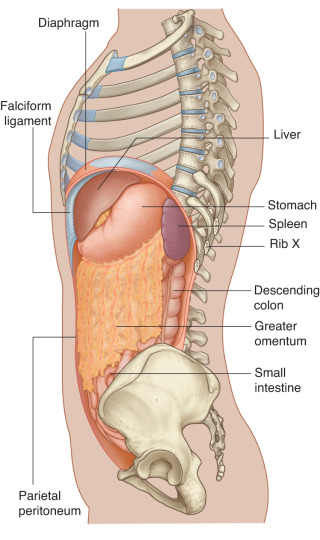
Download this lab as a PDF Goals Survey the GI organs. Examine the peritoneum, peritoneal cavity, mesenteries, omenta, and peritoneal ligaments. Locate the subparts of the greater sac. Study the lesser omentum and demonstrate the lesser sac. Dissect the celiac trunk and demonstrate its branches. Clean and study the organs in the supracolic region: liver; […]
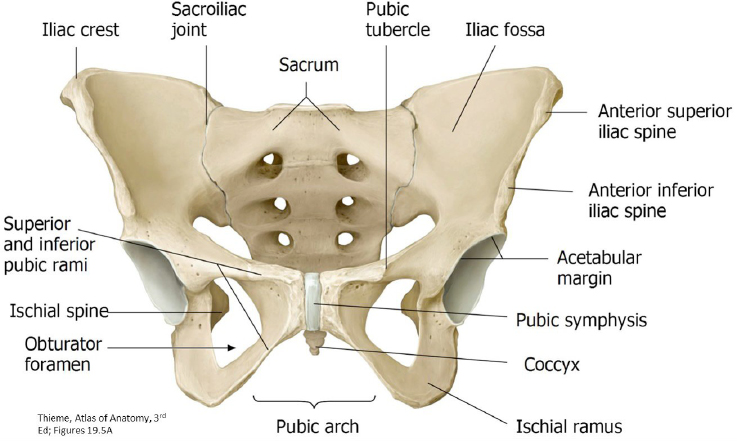
Protected: Lab 22, Station 1: Pelvic Skeleton and Ligaments
There is no excerpt because this is a protected post.
Lab 12, Station 1: Pelvic Skeleton and Ligaments
Lab 12 Navigation Introduction Station 1: Pelvic Skeleton and Ligaments Station 2: Pelvic Cavity and Anal Triangle of Perineum Station 3: Female Perineum (Urogenital Triangle) Station 4: Male Perineum (Urogenital Triangle) Station 5: Overview: Pelvic Organs and Vessels Station 1: Pelvic Skeleton and Ligaments Complete anatomy Hip bone Pelvic Skeleton (Pelvic Girdle): Two Hip Bones […]
Protected: Lab 22, Station 2: Pelvic Cavity and Anal Triangle of Perineum
There is no excerpt because this is a protected post.