

3. Functional neuroanatomy and vasculature, part 1: The brain stem, cerebellum, cerebrum, and spinal cord
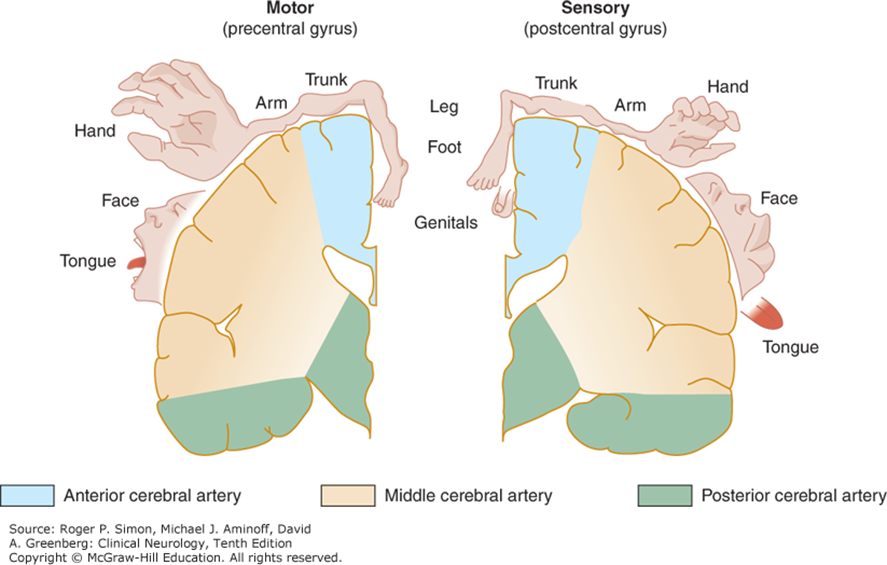
Blood supply to the Central Nervous System An understanding of the brain’s blood supply is crucial to understanding normal CNS function. Conversely, the consequences of cerebrovascular disease affecting the brainstem and cerebrum leading to a loss of function is also vital. Figure 3.1. Schematic of blood supply to brain stem regions (in transverse section). Simon, […]
2. The meninges and ventricles

The meninges and meningeal spaces Figure 2.1. Meninges and meningeal spaces. By OpenStax, CC BY 4.0. Modified July 9, 2018, by Lampa. The meninges can be subdivided into cranial and spinal portions. The meninges function to protect, to act as a scaffold supporting blood vessels and venous sinuses, and finally to form a continuous sac, […]
Nervous System
Welcome to the Nervous System block of FMS 512! For the 2025–2026 school year, Shannon Brodersen, MD, and Kimberly Honn, PhD, have teamed up to co-direct and redesign the section. We have made changes based on student and faculty feedback from previous years, including beginning the block with a strong foundation of basic science—neuroanatomy including […]
Digestive System

Welcome to the Digestive System block, your third system of second year! The digestive system is one of the most integrated systems in the human body: As it transforms food into fuel, it quite literally supports every system in the body. As you begin this journey, you’ll explore the digestive tract from top to bottom—pun […]
Lab 25: Infracolic Region
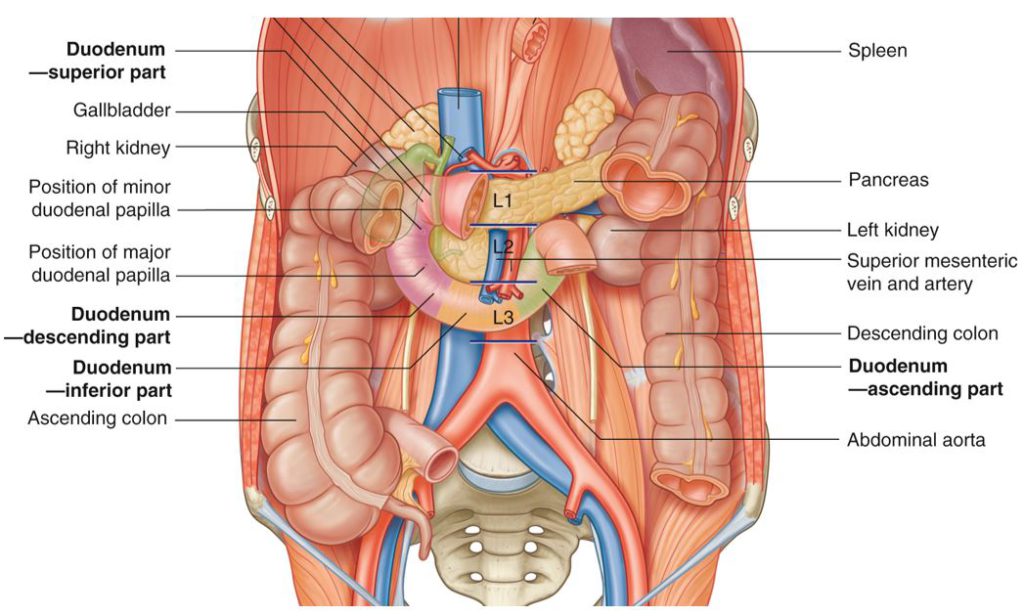
Download this lab as a PDF Goals Identify the parts of the small and large intestines. Dissect the superior and inferior mesenteric arteries and their branches. Identify the hepatic portal vein and its major tributaries. Open the jejunum, ileum, and cecum to view their internal features. Before you cut: Review the parts of the Small […]
Lab 24: Peritoneal Cavity and Supracolic Region
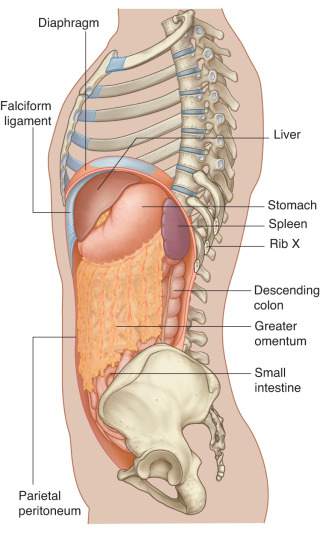
Download this lab as a PDF Goals Survey the GI organs. Examine the peritoneum, peritoneal cavity, mesenteries, omenta, and peritoneal ligaments. Locate the subparts of the greater sac. Study the lesser omentum and demonstrate the lesser sac. Dissect the celiac trunk and demonstrate its branches. Clean and study the organs in the supracolic region: liver; […]
Protected: Lab 23, Station 4: Oral Cavity and Pharynx—Sagittal View
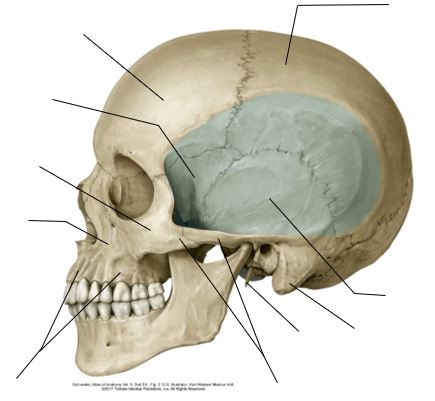
There is no excerpt because this is a protected post.
Protected: Lab 23, Station 3: Nerves and Vessels Associated with the Oral Cavity
There is no excerpt because this is a protected post.
Protected: Lab 23, Station 5: Oral Region and Salivary Glands—Lateral View
There is no excerpt because this is a protected post.
Protected: Lab 23, Station 1: Osteology Associated with the Oral Cavity
There is no excerpt because this is a protected post.