



Introduction?
Pathway 1: Crop-yield reduction
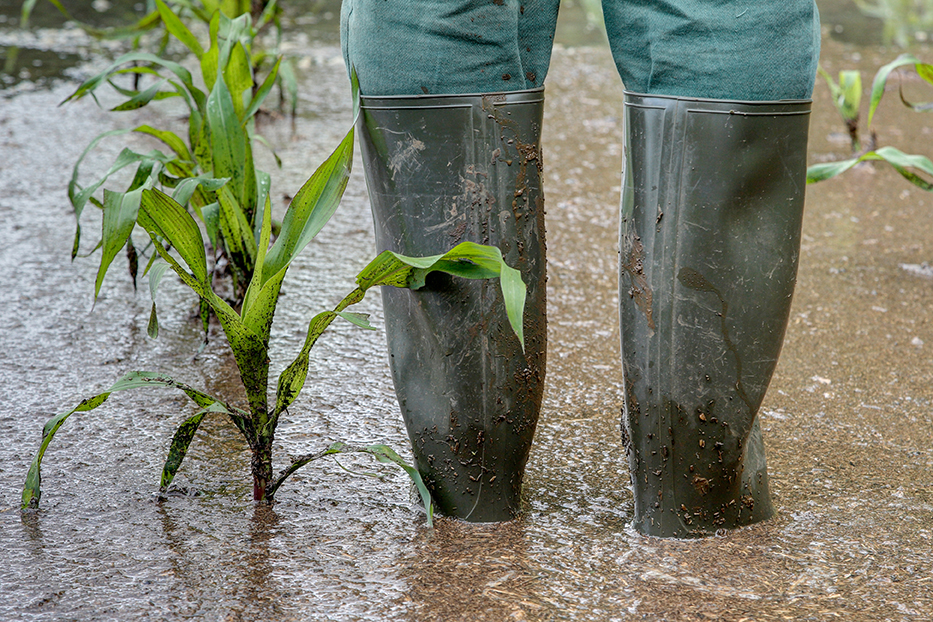
Heat, drought, and flooding reduce how much food the world can produce, and at a scale that is easy to underestimate.
For every 1°C increase in average growing-season temperature, global yields of wheat, rice, maize, and soybean fall (approximately):
- 6.0% for wheat.
- 3.2% for rice.
- 7.4% for maize.
- 3.1% for soybean.
These figures are derived from four independent estimation methods— field experiments, statistical models, process-based crop models, and large-area impact models—all converging on similar estimates. A commonly cited summary figure of approximately 6% represents the wheat estimate, which is broadly representative of the range across these staples.
Reduced agricultural supply → food price spikes → caloric deprivation → undernutrition and wasting, particularly in children under 5, subsistence farmers, and urban poor households spending the highest proportion of income on food.
Pathway 2: CO₂-driven nutrient dilution
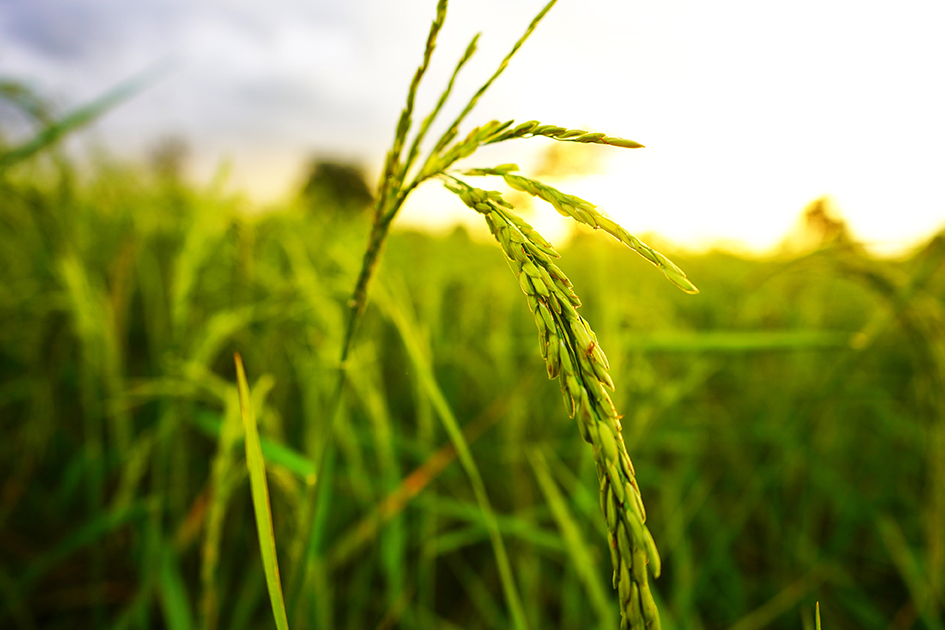
This is the most counterintuitive pathway in the module. Elevated CO2 makes cereal crops grow faster and produce more carbohydrate. But micronutrient concentrations do not keep pace. The result: Food that is calorie-adequate but nutritionally depleted.
The mechanism
Elevated CO2 acts as a fertilizer, stimulating carbohydrate synthesis in C3 crops (wheat, rice, barley—the world’s primary staple calories). But total plant biomass increases faster than the plant’s capacity to take up micronutrients from soil.
The result: Protein, iron, zinc, and B-vitamins are diluted per gram of food produced, even as caloric yield increases or is maintained.
This was demonstrated in Free-Air CO2 Enrichment (FACE) experiments, in which crops grown in open air are exposed to CO2 elevated to projected future levels. Multiple crops and sites showed consistent reductions.
Source: Myers, S., Zanobetti, A., Kloog, I. et al. Increasing CO2 threatens human nutrition. Nature 510, 139–142 (2014).
Question 1 (answer before reading further)
Which four categories of micronutrients does the evidence show are most consistently reduced in C3 cereal crops grown under elevated CO₂?
What does this look like in a patient?
Populations that rely on staple cereals as their primary food source may present with:
- Iron-deficiency anemia:
- Pallor.
- Fatigue.
- Reduced exercise tolerance.
- Impaired immune function.
- Zinc deficiency:
- Growth faltering.
- Impaired wound healing.
- Alopecia.
- Recurrent infections.
- B-vitamin deficiencies:
- Neurologic and hematological presentations depending on specific vitamin.
All of these occur despite apparently adequate caloric intake, which is why the pattern can be easy to miss without a careful dietary and environmental history
Pathway 3: Food contamination
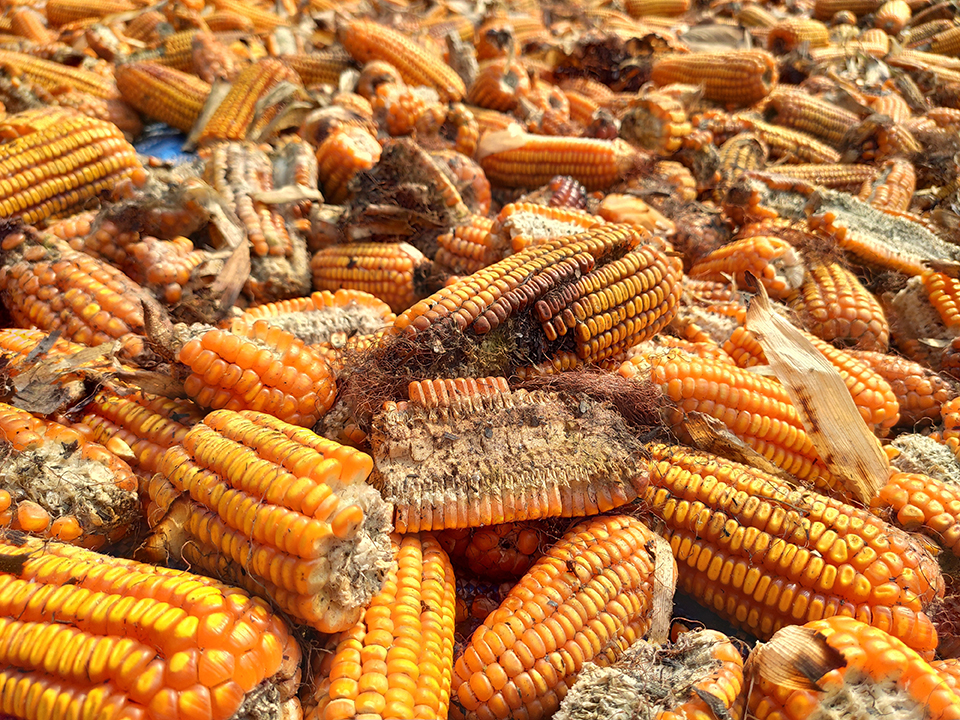
Climate change drives two distinct food contamination mechanisms, each producing different clinical presentations and requiring different diagnostic thinking.
Heat and humidity stress on harvested cereal crops promotes growth of Aspergillus flavus mold, which produces aflatoxin B1— classified as a Group 1 carcinogen by the International Agency for Research on Cancer. Climate change is extending the geographic range, seasonal window, and post-harvest risk window for aflatoxin-producing conditions into previously unaffected temperate regions.
Clinical presentations
- Chronic exposure:
- Significantly increased hepatocellular carcinoma risk (acts synergistically with hepatitis B virus).
- Associated with chronic growth faltering (low height-for-age) at population level in high-exposure regions.
- This is the more clinically relevant pattern for patients presenting to physicians in the United States.
- Acute aflatoxicosis (high-dose exposure, heavily contaminated grain):
- Nausea.
- Vomiting.
- Abdominal pain.
- Hepatocellular damage (elevated AST/ALT).
- Jaundice.
Vibrio parahaemolyticus and V. vulnificus
Warming coastal and estuarine waters allow Vibrio species to proliferate beyond historic geographic and seasonal limits. V. parahaemolyticus accumulates in filter-feeding shellfish, causing gastroenteritis via ingestion—a food contamination pathway that extends with warming waters into regions and seasons where oysters were previously considered safe. V. vulnificus causes necrotizing wound infections and septicemia via direct brackish water contact, occurring when flooding brings contaminated coastal water inland.
Salmonella
Salmonella food-borne transmission rates increase consistently with ambient temperature. This has been demonstrated across multiple European countries using time-series analysis, with accelerated bacterial replication as the proposed mechanism.
Clinical Presentations
Choose the correct pathway. Then, check your answer and the rationale.
Question 2
A 2-year-old with faltering growth, pallor, and recurrent minor infections. Dietary recall confirms adequate caloric intake. The family's diet is almost entirely locally grown rice and wheat.
Elevated atmospheric CO2 increases carbohydrate yield in C3 cereal crops (rice, wheat) but total plant biomass increases faster than micronutrient uptake from soil. The result: protein, iron, zinc, and B-vitamins are diluted per gram of food produced. Iron deficiency causes the pallor and immune impairment; zinc deficiency causes growth faltering. Adequate caloric intake does not mean adequate nutrition.
Question 3
A 38-year-old with acute watery diarrhea and abdominal cramps 18 hours after eating oysters harvested from a local estuary.
Vibrio parahaemolyticus proliferates in warming coastal and estuarine waters and accumulates in filter-feeding shellfish such as oysters. Rising sea surface temperatures expand both the geographic range and seasonal window of Vibrio-related food-borne illness.
Question 4
An 18-month-old referred for failure to thrive. Dietary recall shows reduced meal frequency and substantially less food variety than previous years.
Drought and heat stress directly reduce agricultural output, cutting both caloric availability and dietary diversity at household level. Reduced meal frequency causes acute undernutrition from decreased caloric availability; prolonged nutritional inadequacy produces chronic growth faltering, defined as low height-for-age (below −2 SD on WHO growth standards).
Question 5
A 55-year-old farmer with elevated ALT/AST and jaundice. He stores corn in on-farm silos. The past growing season was unusually hot, and post-harvest conditions were humid.
Heat and humidity promote Aspergillus flavus growth on stored corn and other cereal crops, producing aflatoxin B1, classified as a Group 1 carcinogen by IARC. Acute hepatotoxicity causes the elevated transaminases and jaundice. Chronic aflatoxin exposure is associated with hepatocellular carcinoma and childhood low height-for-age (chronic growth faltering).
Image credits
Unless otherwise noted, images are from Adobe Stock.