



Connect to prior learning
In the Extreme Weather Hazard module, section: Droughts and Extreme Heat Waves, you learned that heat waves are one type of extreme weather event, and you were introduced to vulnerable populations affected by heat.
This module builds on that foundation by examining heat as a chronic and recurrent public health threat—not just an acute disaster, but an ongoing challenge that requires specific clinical skills and preventive infrastructure.
Why Go Deeper into Heat Impacts?
Extreme heat kills more Americans than hurricanes, floods, and tornadoes combined, yet many of these deaths are preventable with proactive intervention.
As future physicians, you need:
- Clinical skills: Distinguishing heat exhaustion from heat stroke and managing medication risks.
- Patient counseling: Proactive education for high-risk individuals.
- Public health infrastructure:
- Cooling centers.
- Heat action plans.
- Community check systems.
- Health equity lens: Understanding why certain neighborhoods are 10–20°F hotter than others.
Climate Change is Driving Extreme Heat
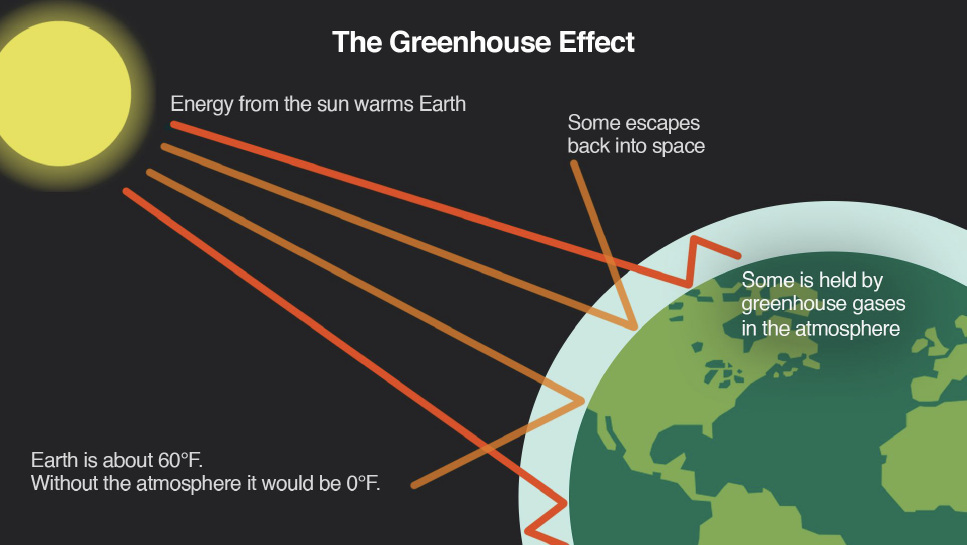
The increase in greenhouse gases in the atmosphere is raising global temperatures and making heat waves both more frequent and more intense. This shifts the entire temperature curve upward, increasing the likelihood of extremes on the hot end.
Beyond these direct warming effects, climate change brings compounding factors that worsen health risks, including drought conditions (reducing cooling from evaporation) and high nighttime temperatures that provide little relief for people without air conditioning
The urban heat island effect

Cities absorb and retain more heat than rural areas due to concrete, asphalt, and lack of vegetation. During heat events, satellite data shows urban cores can reach surface temperatures 10–20°F hotter than surrounding areas with tree cover. Over 80% of Pacific Northwest residents live in urban settings, meaning most of the population faces amplified heat exposure.
Explore Spokane neighborhood data.
Image credits
Unless otherwise noted, images are from Adobe Stock.