



How extreme heat harms the body
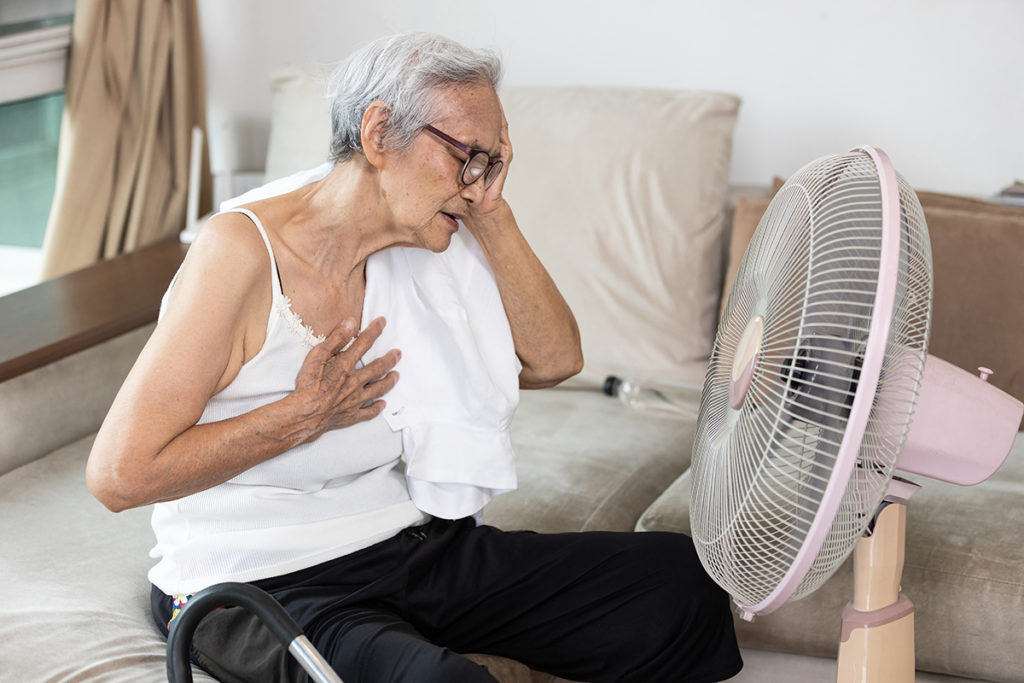
Humans maintain a core body temperature around 37°C (98.6°F) through thermoregulation (sweating, increased blood flow to skin). However, these cooling mechanisms can be overwhelmed in extreme environmental heat, especially with high humidity or dehydration.
Clinical comparison: heat exhaustion vs. heat stroke
| Feature | Heat exhaustion | Heat stroke |
|---|---|---|
|
Core temperature |
Usually <40°C (104°F)
|
≥40°C (104°F) |
|
Mental status |
Normal (may be fatigued) |
Altered:
|
|
Skin |
|
Often hot and dry (sweating may stop) |
|
Symptoms |
|
|
|
Severity |
Warning sign! Can progress to heat stroke, if untreated |
Medical Emergency! |
Heat exhaustion management
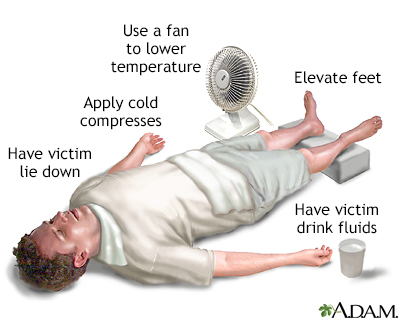
- Move patient to cool environment and remove excess clothing.
- Oral hydration (water or electrolyte solution).
- Rest in supine position.
- Monitor closely: Can progress to heat stroke if symptoms worsen.
Medical emergency: Heat Stroke Management
- Recognition: Core temperature ≥40°C (104°F) and altered mental status.
- Immediate Actions:
- Call for emergency transport (911 or rapid EMS)
- Begin rapid cooling immediately:
-
- Ice water immersion (most effective if available).
- Evaporative cooling: Mist skin with water and fans.
- Ice packs to neck, armpits, and groin.
-
- Stop cooling when temperature drops to 38–39°C (avoid overcooling).
- Monitor for complications: Organ damage can occur (kidney, liver, heart); seizures possible.
- Key Point: Speed of cooling is critical. Every minute of elevated core temperature increases risk of permanent organ damage and death.
Heat’s effects beyond direct illness
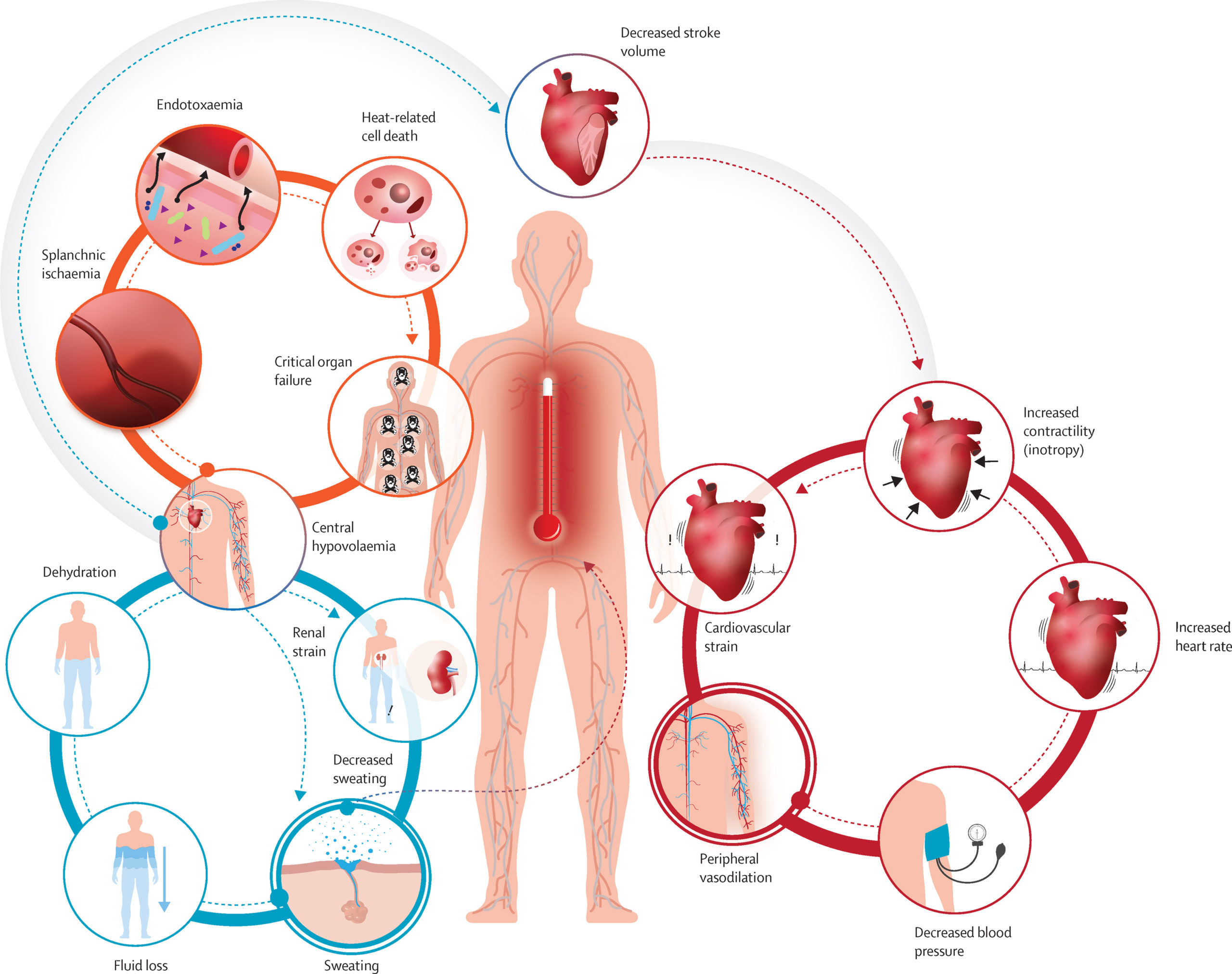
Extreme heat also exacerbates underlying medical conditions:
- Cardiovascular: Increased cardiac strain risking heart attacks, heart failure decompensation.
- Respiratory: Worsening of asthma, COPD.
- Renal and Metabolic: Dehydration can precipitate acute kidney injury; diabetes management becomes more difficult.
During the PNW heat dome, many deaths were officially recorded as heat stroke, but many others were heart attacks or strokes in which heat was a contributing factor.
How extreme heat affects the body
This TED-Ed video (~5 min.) provides an animated explanation of the physiological effects of heat waves on the human body.
Question
A 78-year-old patient is brought to the ED during a heat wave. Temperature is 105.8°F (41°C), skin is hot and dry, and the patient is confused and disoriented. What is the most likely diagnosis?
This patient meets criteria for heat stroke: Core temperature ≥104°F (40°C) and central nervous system dysfunction (confusion/disorientation). This is a medical emergency requiring immediate aggressive cooling.