



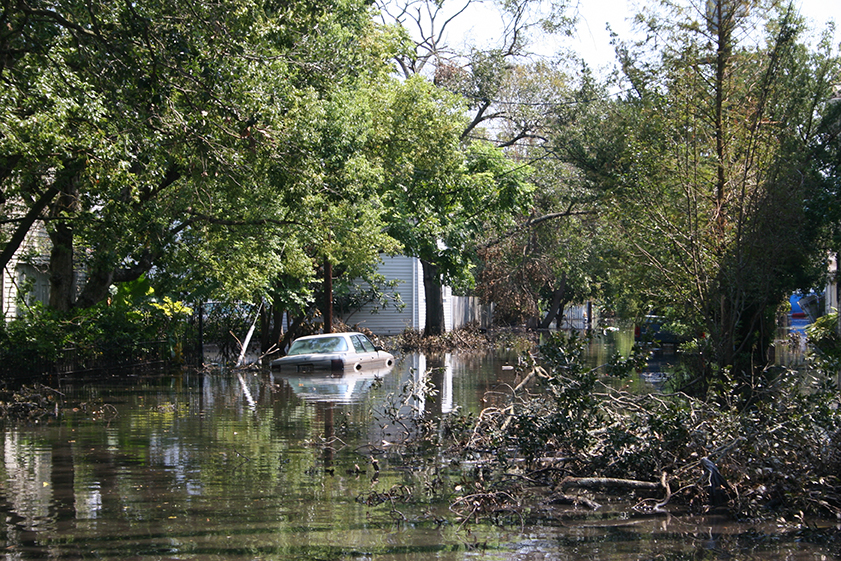
An aerial view of extreme flooding: New Orleans inundated in the aftermath of Hurricane Katrina (2005). Such catastrophic floods illustrate how powerful storms can devastate entire regions, endanger lives, and incapacitate critical infrastructure.
Heavy precipitation
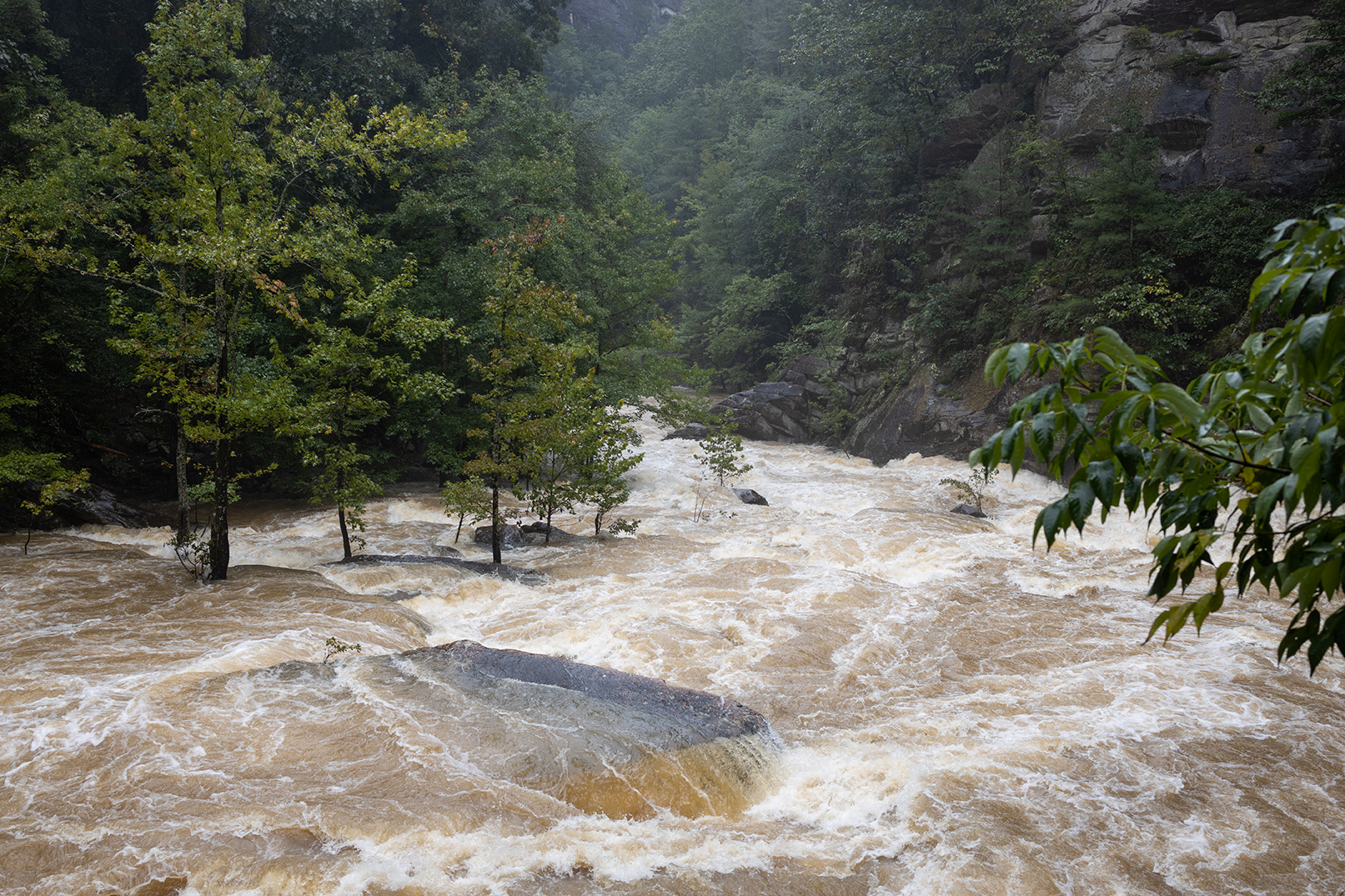 One of the clearest signals of climate change is a marked increase in heavy precipitation and flooding events. A warmer atmosphere holds more moisture, leading to more intense downpours and higher flood risks. Around the world and in the United States, downpours that used to be rare are now happening more frequently and with greater intensity, causing flash floods and overflowing rivers. Warmer ocean waters also feed tropical storms, which can make hurricanes stronger and wetter, leading to greater rainfall and more powerful storm surges.
These extreme rainstorms and hurricanes pose immediate physical dangers. Low-lying areas can be rapidly submerged by flash floods, sweeping away people in their homes or vehicles. Drowning is a leading cause of death in major floods and coastal storms. High winds and flying debris in hurricanes or tornadoes cause trauma injuries—people can be crushed by collapsing structures or hit by debris.
- Hurricane Katrina (2005)
- Hurricane Helene (2024)
- Texas Hill Country (2025)
At least 520 direct deaths from drowning and injury, plus hundreds of indirect deaths in the aftermath.
The National Hurricane Center (NHC) identified at least 176 direct deaths from Hurricane Helene’s effects (flooding, wind, storm surge, tornadoes). An additional 71 deaths were indirect, occurring after the storm.
Unprecedented heavy rains in Central Texas led to catastrophic flash flooding. More than 130 people were killed within a few days. This tragedy—attributed to 15+ inches of rain falling explosively fast—shows how even developed regions are vulnerable to extreme cloudbursts.
Climate projections warn that deluges leading to inland flooding will only become more common in many areas.
Flood disasters and health risks
Beyond the immediate trauma, flood disasters create a host of health risks.
Floodwaters commonly contaminate drinking water and spread infection. Sewage overflows and standing water can lead to outbreaks of diarrheal disease, skin infections, or mosquito-borne illness. In developing countries, floods have triggered cholera epidemics.
In the United States, there was an outbreak of “flesh-eating” bacteria after Hurricane Ian (a Category 4 storm that hit Florida in 2022). The storm’s massive flooding created ideal conditions for Vibrio vulnificus bacteria in coastal waters. In Lee County, 38 people developed life-threatening Vibrio infections from contact with floodwater and 11 of them died in the month after the hurricane. Public health officials noted it was the highest number of such cases ever recorded in Florida in a single month—a reminder that storm impacts can include rare infectious dangers.
Flooding also increases vector-borne diseases by expanding mosquito breeding sites (for instance, flooding in Victoria, Australia, in 2017 led to a ten-fold spike in Ross River virus infections).
- As floodwaters recede, mold growth in water-damaged homes can cause respiratory problems like:
- Asthma attacks.
- Allergic reaction.
- Shortness of breath.
- Coughing.
- Throat irritation.
- Inhaling contaminants can lead to bronchitis or pneumonia.
- After a flood, common and temporary symptoms (also known as “Flood crud”) include:
- Persistent cough.
- Sinus congestion.
- Upper respiratory discomfort.
vibrio vulnificus
Found naturally in coastal waters in the United States. (You may want to pay attention to this content. It just might be on a test.)
Why bacteria increase:
- Storm surge mixes brackish water (where V. vulnificus thrives) with freshwater and seawater, spreading bacteria to new areas.
- Warmer post-storm water temperatures promote rapid bacterial growth.
- Flooding carries bacteria inland, disrupted sewage systems create additional breeding grounds.
Increased human exposure:
- People wade through contaminated floodwaters during cleanup, often with cuts or scrapes.
- Storm debris causes new injuries that contact the contaminated water.
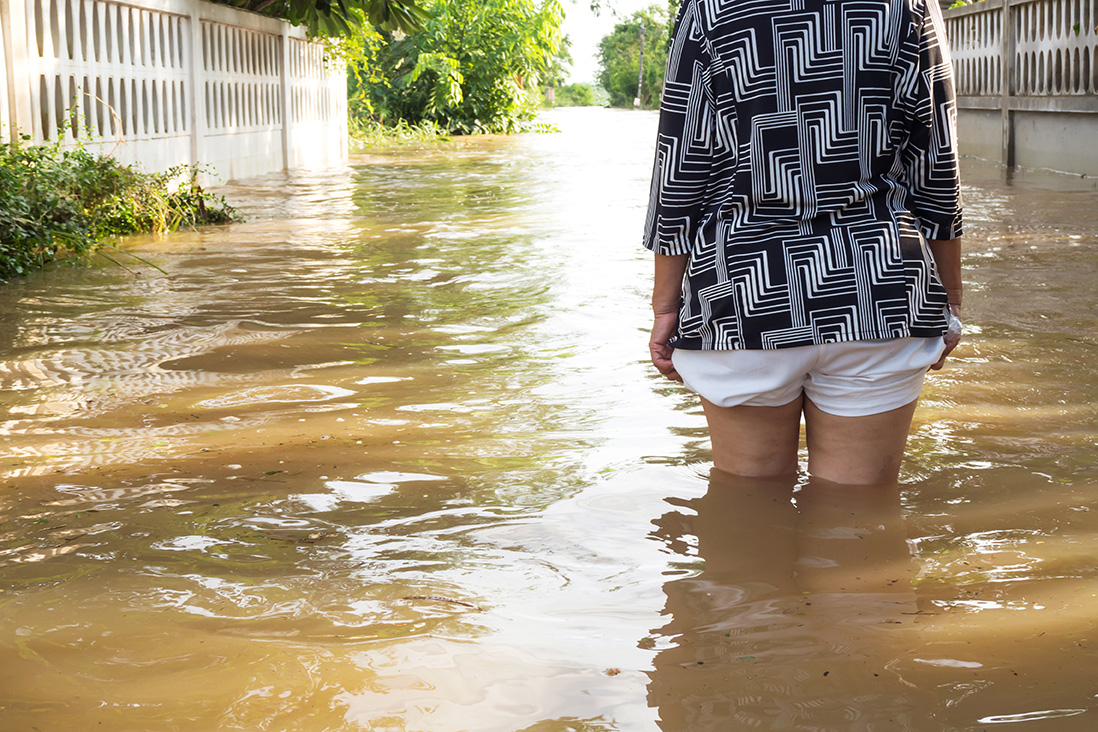
Infection mechanisms (2 routes):
- Wound infections: Bacteria enter through any break in the skin exposed to contaminated water (can lead to rapidly progressing necrotizing fasciitis).
- Ingestion: Eating raw or undercooked shellfish that filtered bacteria from contaminated waters.
- Deeb R, Tufford D, Scott GI, Moore JG, Dow K. Impact of Climate Change on Vibrio vulnificus Abundance and Exposure Risk. Estuaries Coast. 2018 Dec;41(8):2289–2303. doi: 10.1007/s12237-018-0424-5. Epub 2018 Jun 7. PMID: 31263385; PMCID: PMC6602088.t.
- Craig Baker-Austin, Iain Lake, Elizabeth Archer, Rachel Hartnell, Joaquin Trinanes, Jaime Martinez-Urtaza, Stemming the rising tide of Vibrio disease. The Lancet Planetary Health, Volume 8, Issue 7, 2024, Pages e515–e520, ISSN 2542-5196.
Extreme weather and the healthcare system
Another major concern is how extreme weather overwhelms the healthcare system right when people need it most. Hospitals, clinics, and pharmacies can be knocked out of operation by storms. Power outages disable medical equipment; flooded roads prevent ambulances and supply deliveries.
- Midwest floods (March 2019)
- Hurricane Maria (2017)
In March 2019, a “bomb cyclone” left large parts of Nebraska under water. Numerous hospitals in Nebraska were completely inaccessible by road due to flooding, effectively cutting off communities from emergency care. At least two hospitals sustained direct flood damage, and a dozen nursing homes had to be evacuated.
In Puerto Rico, Hurricane Maria (with sustained winds of 155 mph) devastated the island’s infrastructure—electricity and clean water were wiped out for months in some areas. Roads were washed out, isolating many rural areas. The result was a public health catastrophe!
Although the official immediate death toll was 64, studies later estimated excess deaths in the thousands(approx. 3,000) in the months after Maria. Many of those victims died because chronic medical conditions became lethal when hospitals, dialysis centers, and pharmacies couldn’t function and lifesaving treatments were interrupted.
As one example of healthcare collapse, entire hospitals had to be evacuated—to the U.S. Virgin Islands. An Air Force medical team airlifted critically ill patients out of a damaged hospitals because it could no longer care for them.
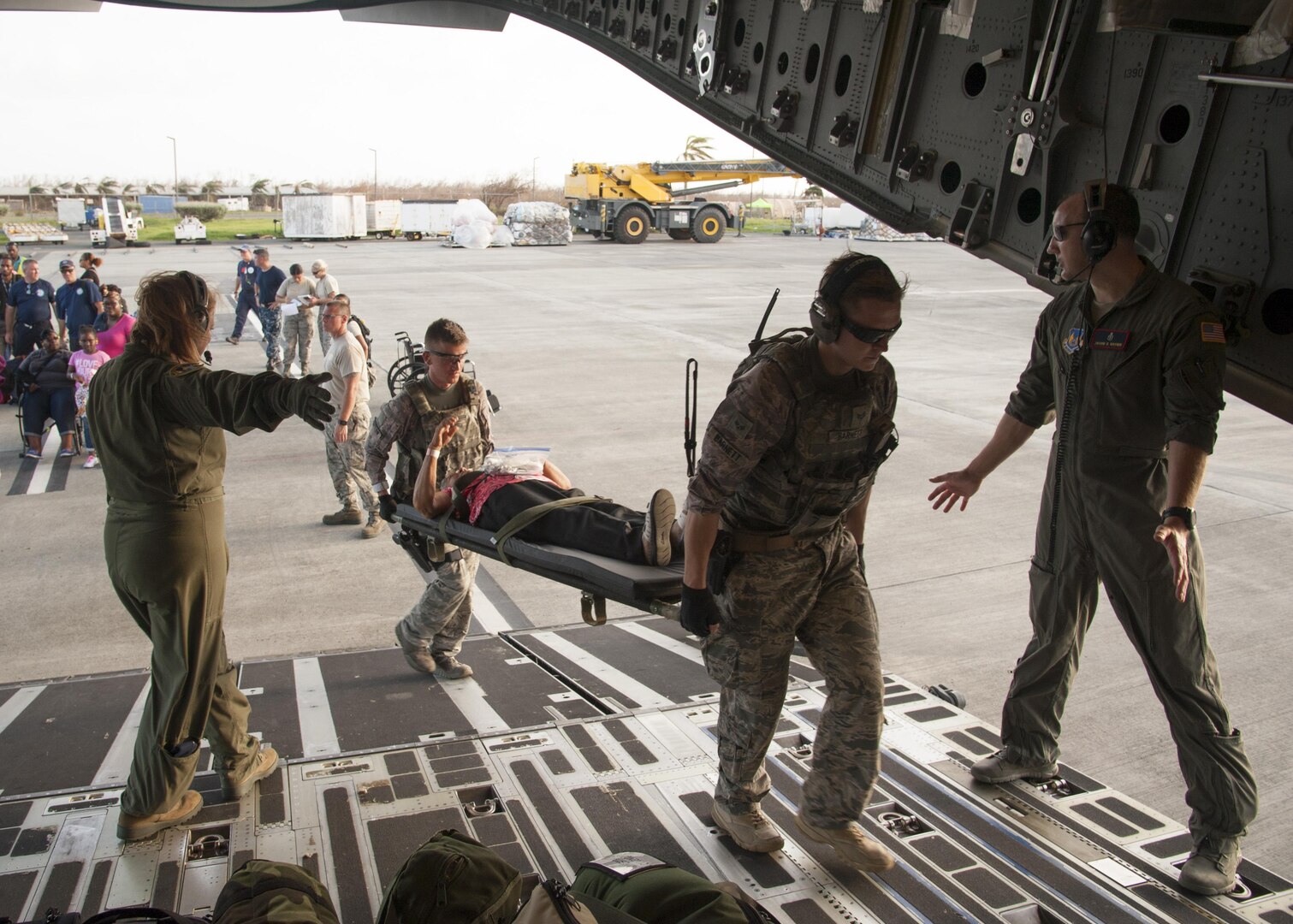
Vignette 1: Hurricane Maria and healthcare disruption
San Juan, Puerto Rico, September 2017
How might better disaster preparedness have prevented Miguel's crisis? What backup systems should healthcare facilities maintain?
- Psychological trauma.
- Anxiety.
- Depression.
- PTSD from the chaos and loss.
The stress of losing one’s home or livelihood—or of experiencing a life-threatening event—can have lasting impacts on mental well-being. In fact, extreme weather events like floods and hurricanes are consistently linked with higher rates of mental health problems, including PTSD and depression, in affected communities.
Question
Which of the following is not a health risk typically associated with severe floods and hurricanes?
Pollen allergies caused by blooming plants is not associated with floods/hurricanes. Heavy rain and storms usually reduce pollen levels temporarily (pollen allergy surges are more related to seasonal changes, not flood events). In contrast, the other three answers are well-documented risks in flood disasters:
- Many storm fatalities are due to drowning or injury.
- Floods often contaminate water and spur infectious disease or mold growth;.
- Healthcare services are frequently interrupted when facilities are damaged or roads closed.
A note about the next section
Next, we turn to another kind of climate-extreme hazard: The opposite of too much water—too little water, or drought.
Image credits
Unless otherwise noted, images are from Adobe Stock.