

Water- and Food-Related Illness

Home » zPlanetary Health » Water- and Food-Related Illness
Headshot of Anne Grossman, MD, FACP · Assistant Professor, Medical Education and Clinical Sciences
Anne Grossman
MD, FACP · Assistant Professor, Medical Education and Clinical Sciences
envelope icon
Table of Contents

Climate Change: Impacts on the Hydrologic Cycle and Waterborne Disease

These materials are based on the PowerPoint presentation by George Luber, PhD, of Emory University.

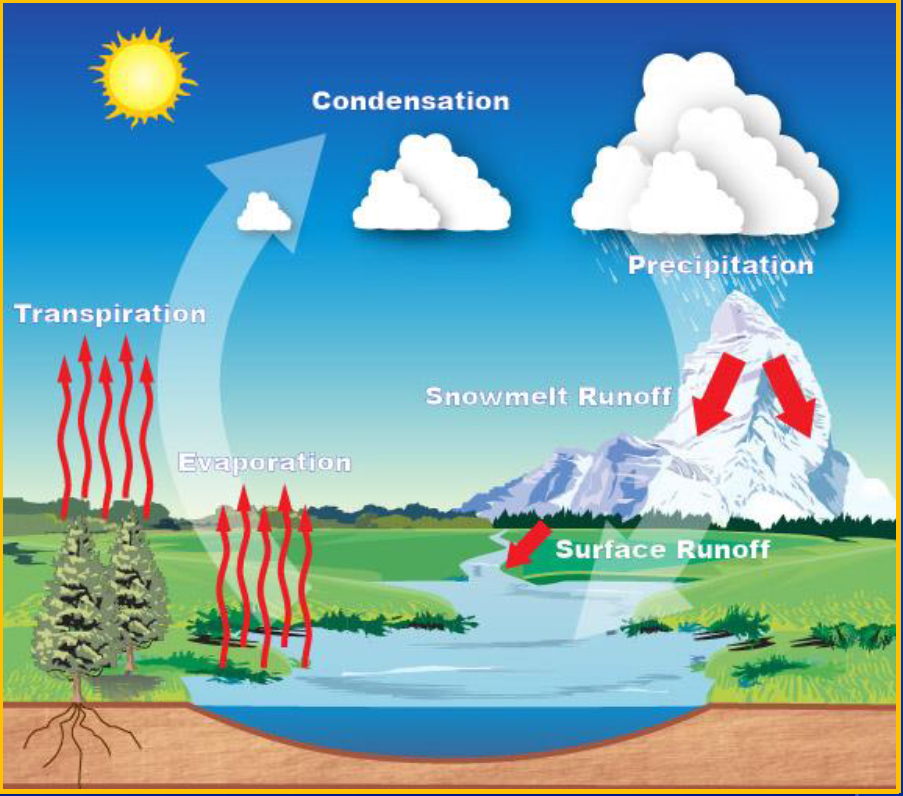
Changes in Hydrology Due to Climate Change

  • Increase in water temp
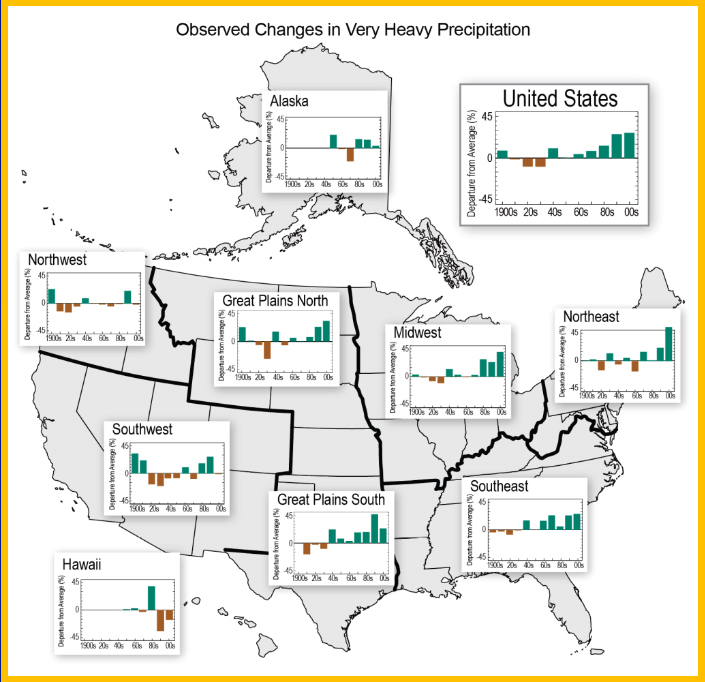
  • Increase in heavy precip
  • Increase in droughts
  • Increase in flooding

Mini Lesson: Food and Water Scarcity

In this mini lesson, you'll find:

  1. Case studies.
  2. Definitions.
  3. Review questions.


Go to the Mini Lesson: Food and Water Scarcity.

Water-Borne Diseases

Extreme Precipitation Events Impact Human Health
  • 67% of water-borne disease outbreaks preceded by precipitation above 80th percentile (across 50-year climate record)
  • Heavy precipitation events projected to occur more frequently

Overview of Select Water-Borne Diseases

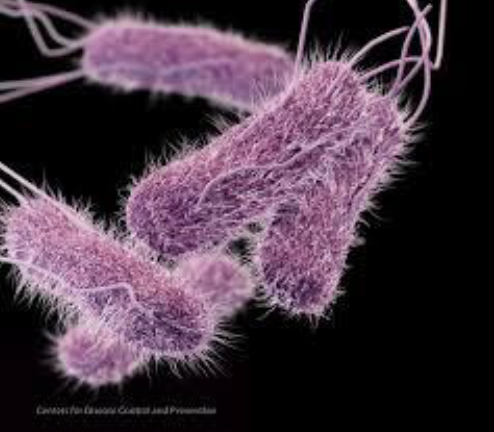
Water-Borne Pathogens

  • Symptoms include:
    • Causes gastroenteritis
    • Nausea/vomiting
    • Diarrhea
  • Water can become contaminated through faecal pollution by infected humans but also by other vertebrates
  • Incidence could increase with warming waters
  • Pathology and Human Health
    • Acute diarrhea that can kill within hours
    • Highly contagious
    • Most pressing in Africa and Asia + poor infrastructure
  • Consequences of Climate Change
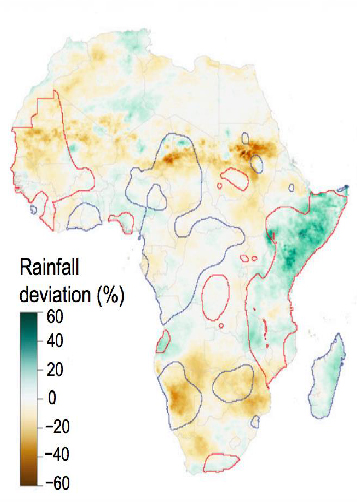
    • El Niño wetter in East Africa higher incidence
    • Complicated
      • Less rain in dry areas unsafe drinking water
      • More rain in dry areas flooding of sewer system
      • Less rain in wet areas decrease flooding
      • More rain in wet areas decrease pathogen conc but increase flooding
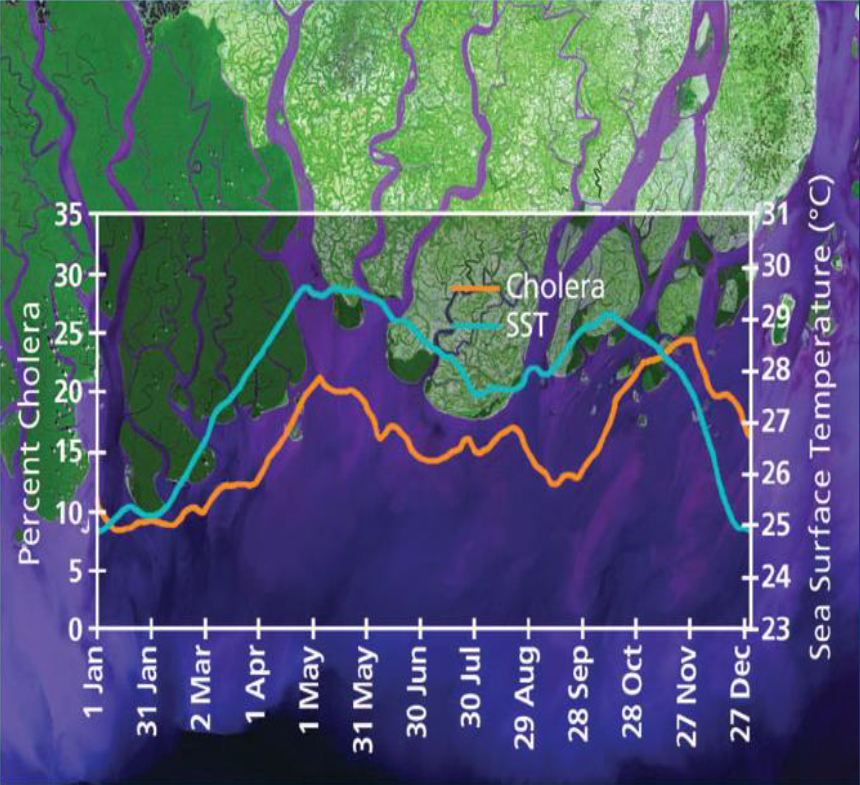
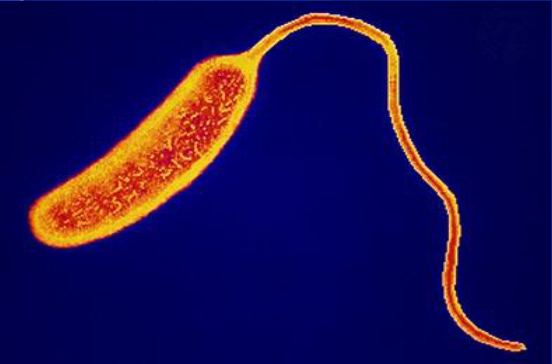
  • ↑ SST → ↑ phytoplankton blooms, which provide good habitat for the survival and spread of cholera
  • Watery diarrhea that can be severe and even life threatening
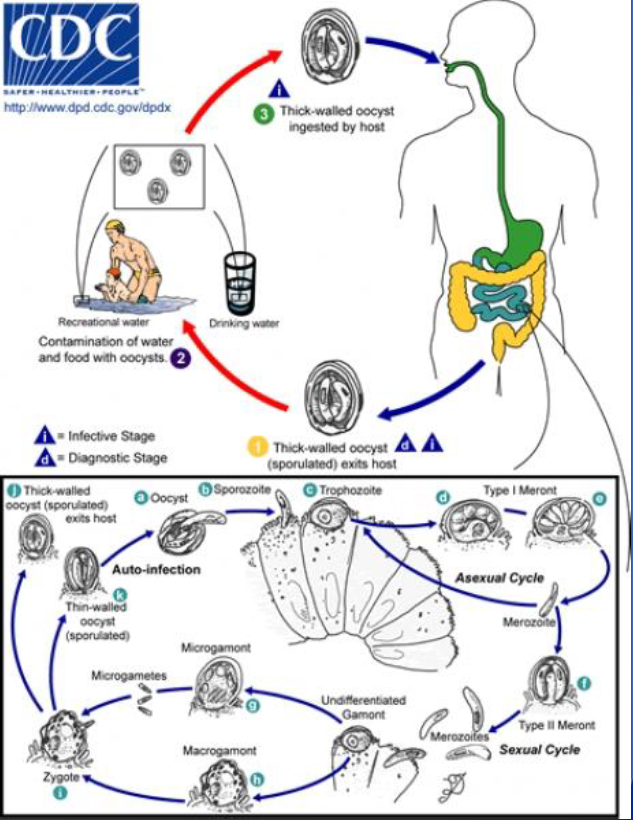
  • Sturdy oocysts: Chlorination ineffective
  • Small size: Filtration ineffective
  • Heavy rainfall causes mobilization of oocysts leading to outbreaks


Milwaukee 1993
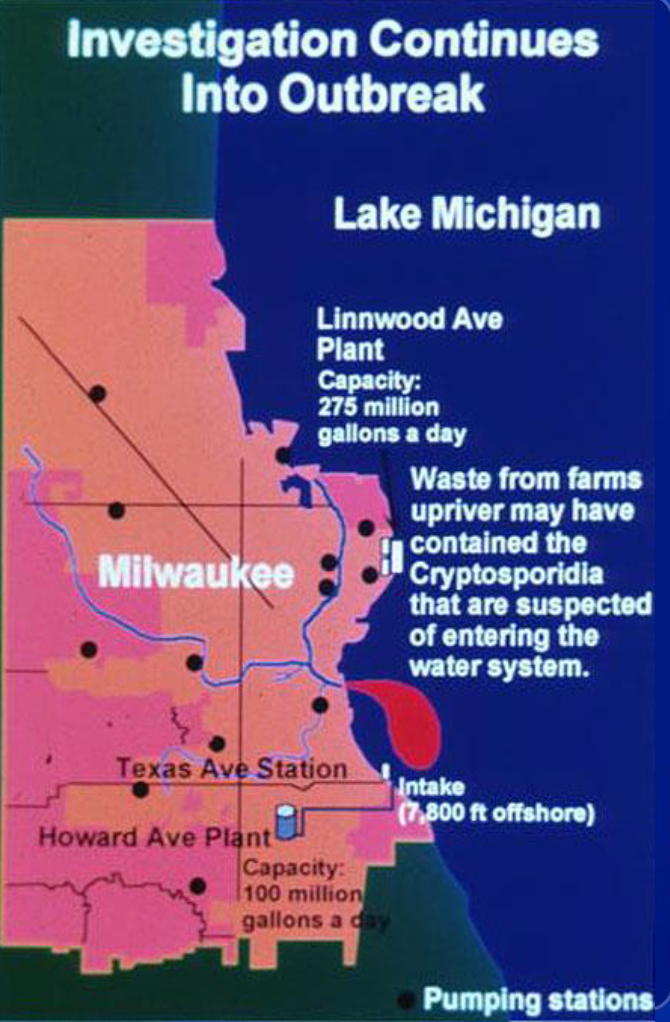
  • Cryptosporidiosis epidemic: 405,000 cases, 54 deaths
  • Preceded by heaviest rainfall in 50 years (Curriero et al., 2001)
  • $31.7 million in medical costs, $64.6 million in lost productivity (Corso et al., 2003.)
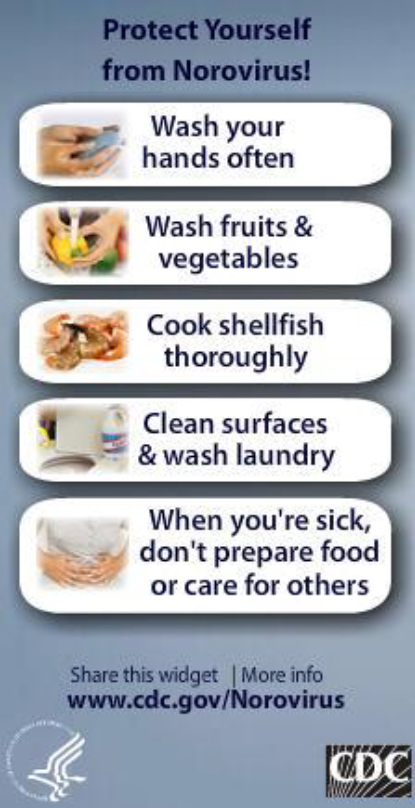
  • Causes acute gastroenteritis in humans
  • Symptoms
    • Projectile vomiting
    • Watery non-bloody diarrhea
    • Abdominal cramps
    • Myalgia
  • Heavy rainfalls/flooding increases infections
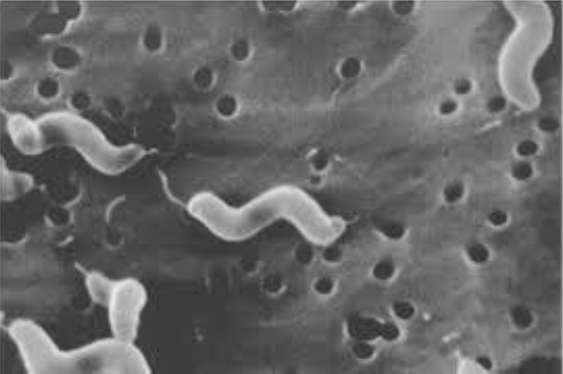
  • Symptoms include:
    • Watery, bloody diarrhoea
    • Abdominal pain
    • Fever
    • Headache
    • Nausea
  • Associated with increased air and water temp and heavy precipitation
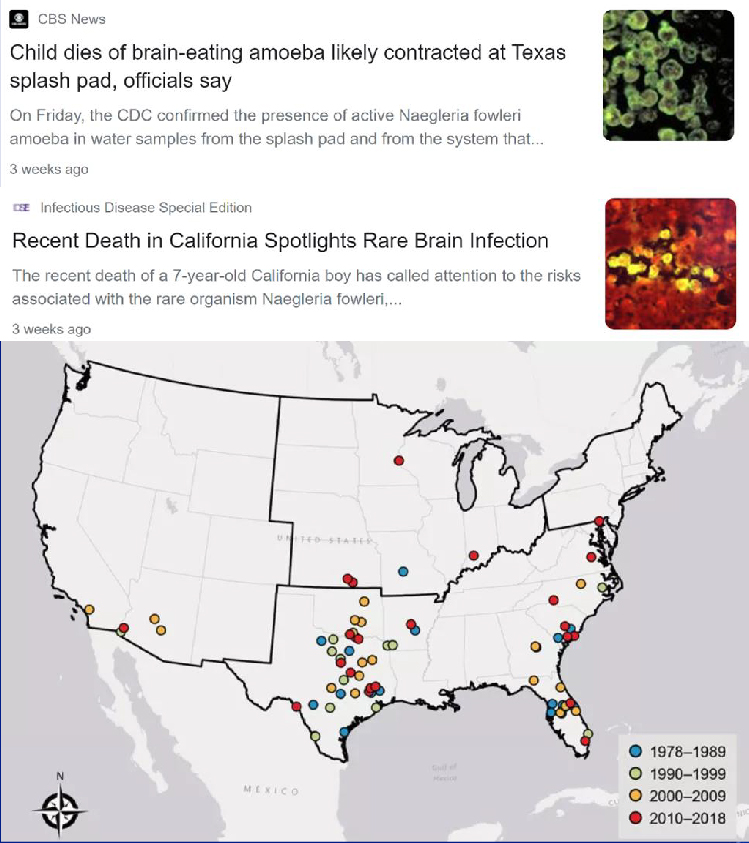
  • Pathology and Human Health
    • Fatal brain infection
    • “Brain eating amoeba”
  • Microbial Characteristics
    • Amoeba
    • Warm freshwater lakes and rivers
    • Infects brain via nasal passage and olfactory nerves
  • Consequences of Climate Change
    • Typically found in southern United States
    • Warmer temps range moving northward (presumption)
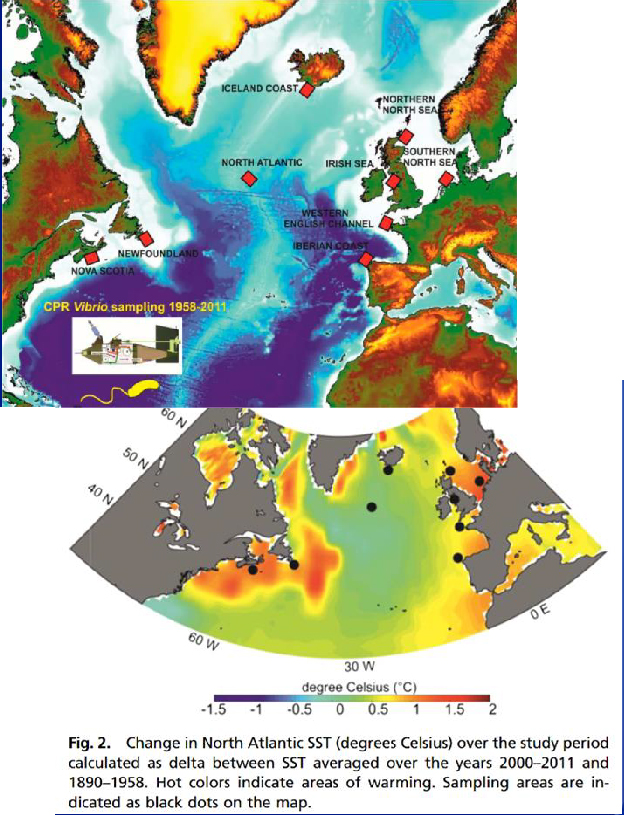
  • Microbial Characteristics
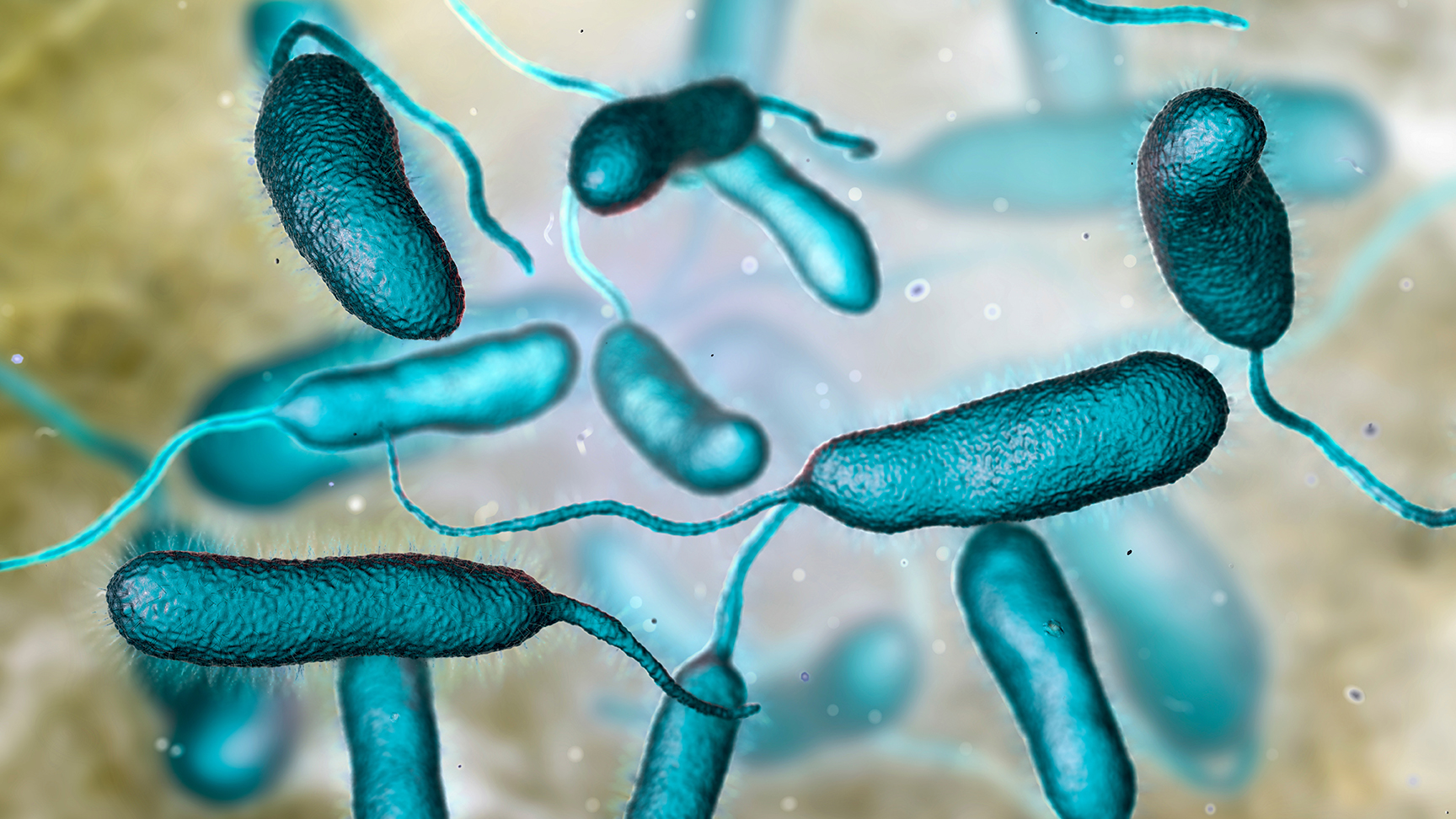
    • Bacterium
    • Warm coastal waters
      • + salt tolerant
    • Summer and early autumn
  • Consequences of Climate Change
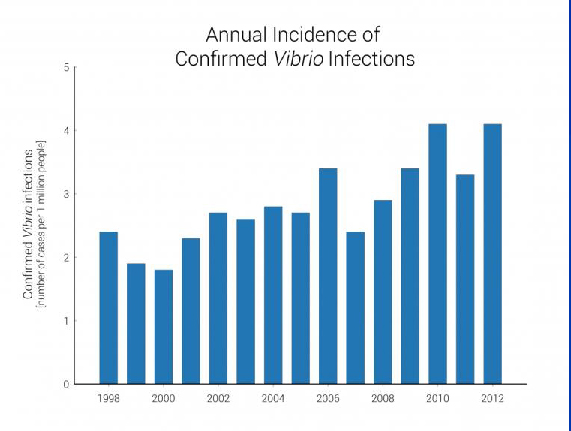
    • Increase ocean temp increase range
    • Increase algal blooms increase
      concentration
    • Higher minimum temps uninterrupted growth
  • Pathology and Human Health
    • Septicemia of wounds ( V. vulnificus)
    • Gastrointestinal ( V. parahaemolyticus)
Clinical correlation

On the afternoon of September 28, 2022, Hurricane Ian made landfall on Florida’s southwest coast as a category 4 hurricane with maximum sustained winds of 150 mph (241 kph). The storm surge reached 12–18 ft (3.6–5.5 m) above ground level in some coastal areas of Lee and Collier counties. In the days after the hurricane, a notable increase in cases of vibriosis was observed by the Florida Department of Health: 38 cases and 11 vibriosis-associated deaths were attributed to the storm. Read the CDC report about this health crisis.

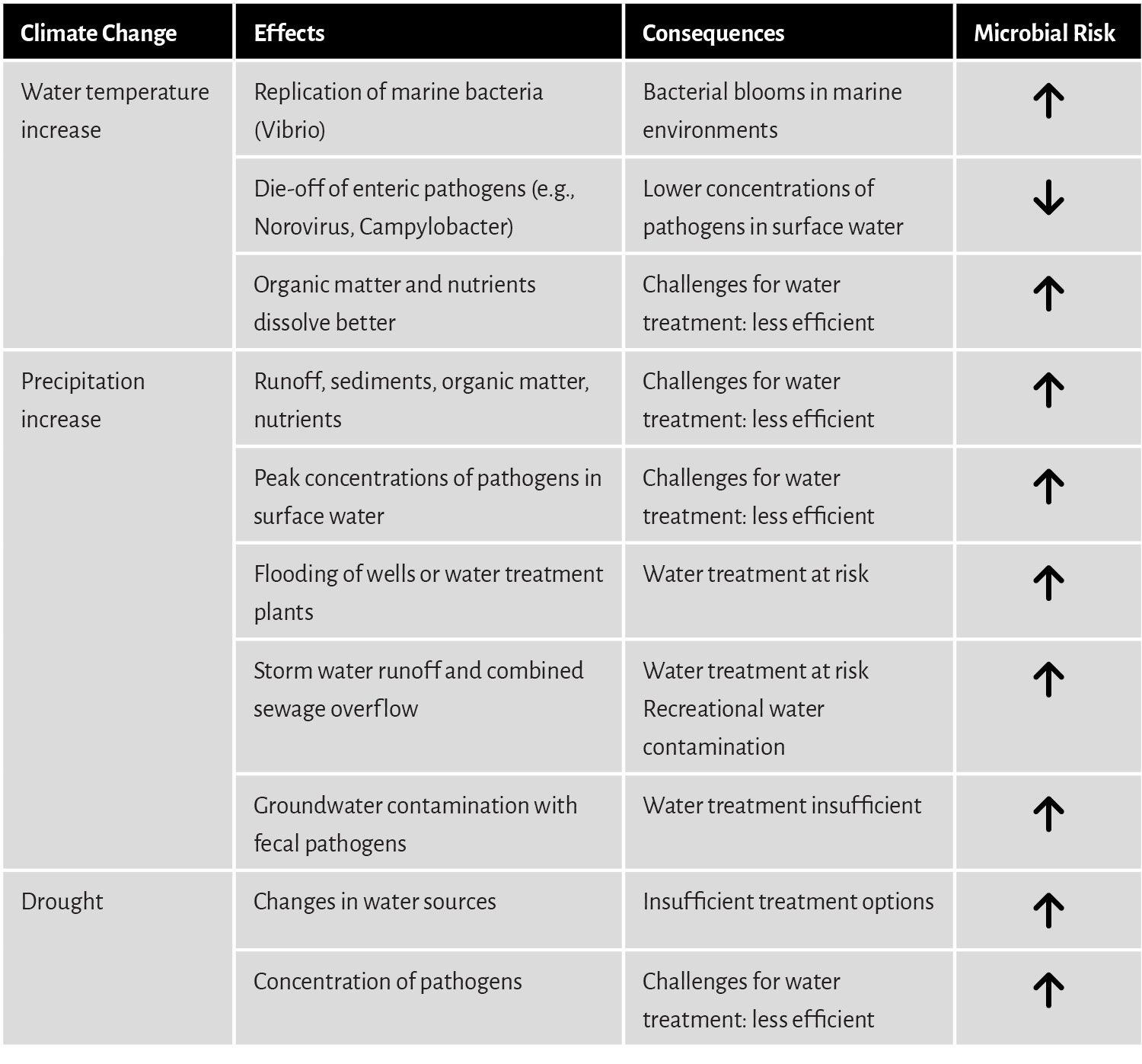
Environmental Effects, Pathogen Fate, and Microbial Risk

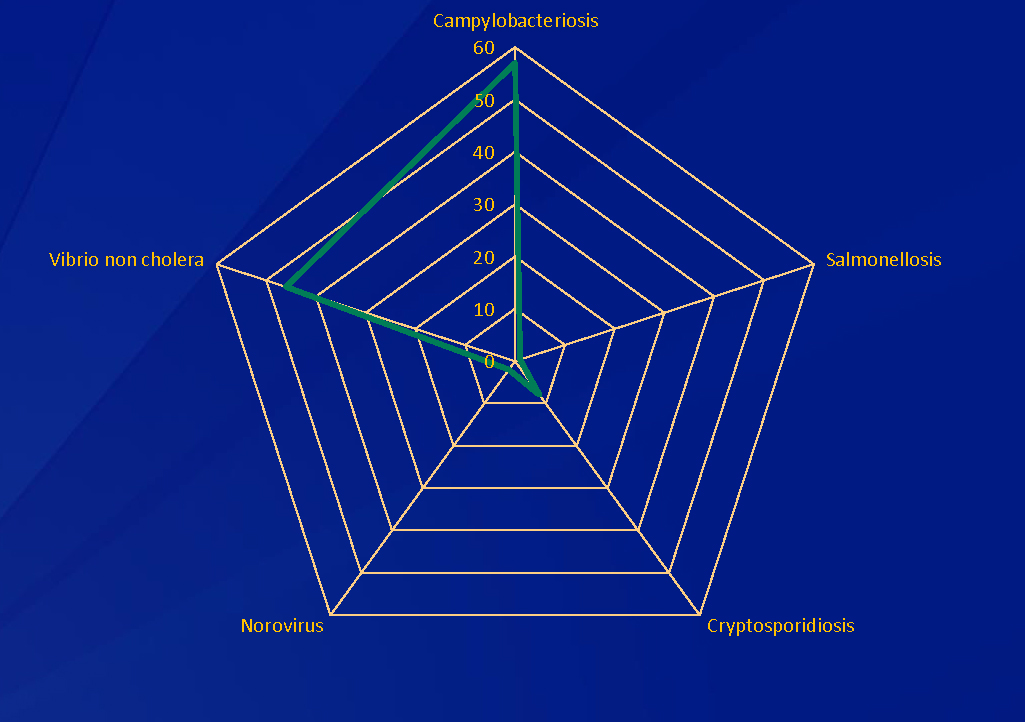
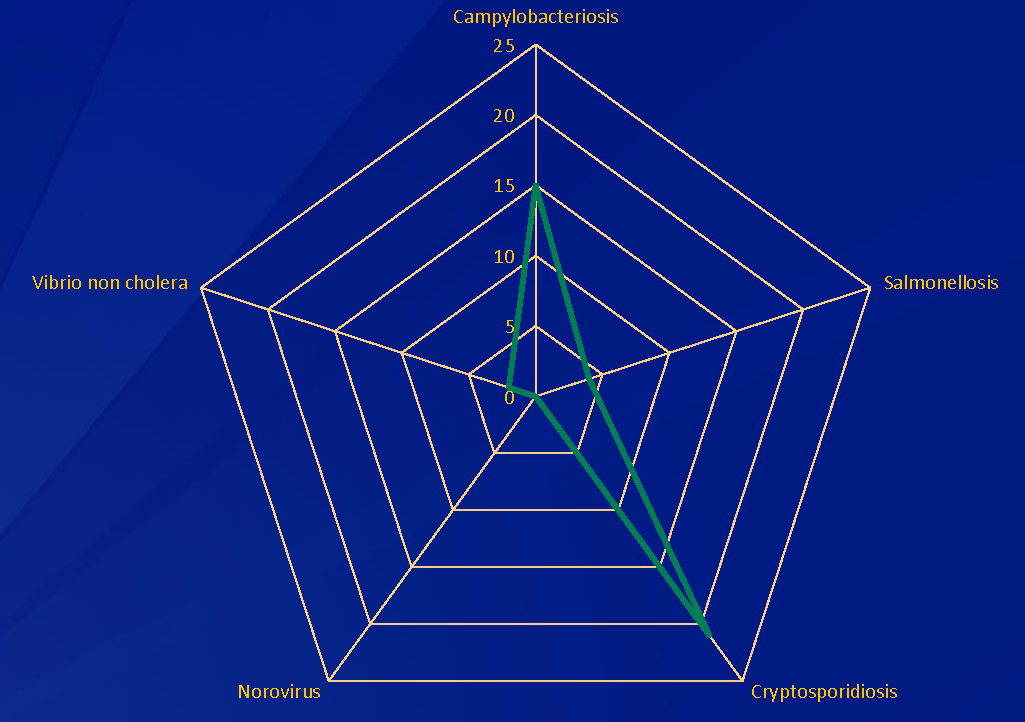
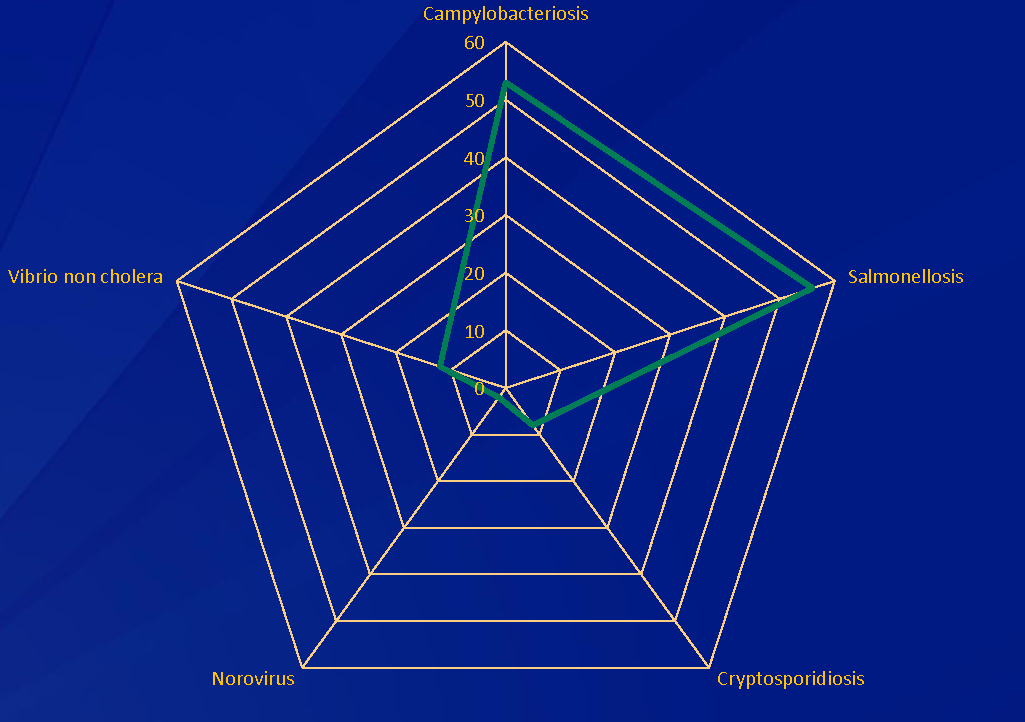
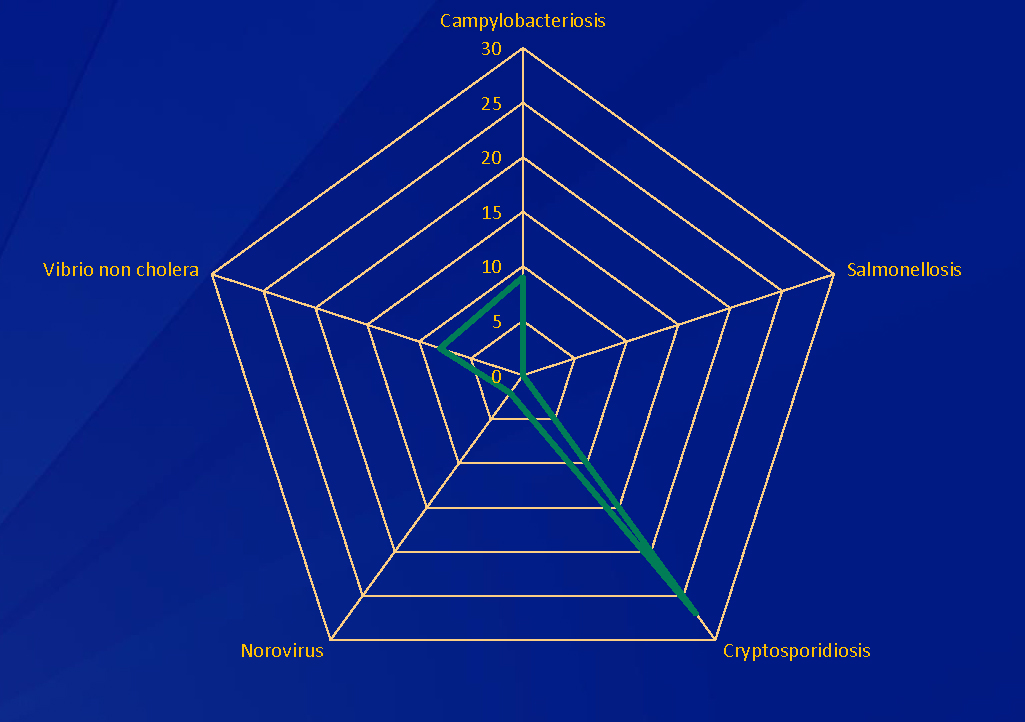
Radar Diagrams

Source: Smenza, 2015.

Non-Infectious Water-Borne Disease Threats

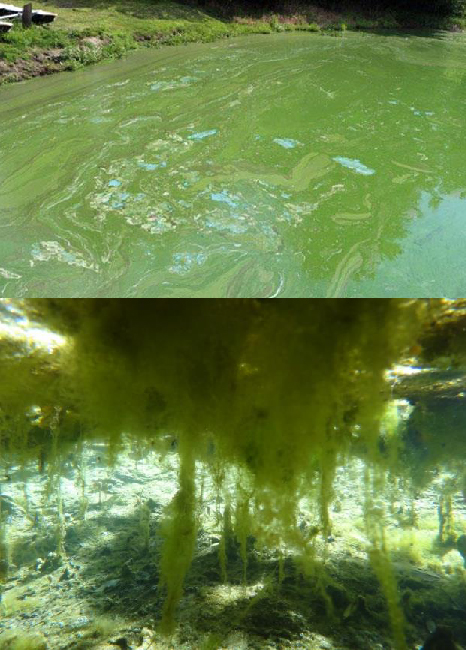
  •  HAB
    • The proliferation of cyanobacteria or algae to concentrations that can threaten human, animal and environmental health
  • Exposure includes
    • Inhaling contaminated aerosols
    • Drinking contaminated water
    • Eating contaminated seafood
  • Causes
    • Slow-moving water
    • Nutrients (Nitrogen and Phosphorus)
    • Sunlight

  • Environmental Degradation
    • Increasing biological oxygen demand
    • Creating dense algal mats

  • Negative effects on fisheries, economies, and coastal communities
  • Enhanced by:
    • Increased water temps
    • Nutrient runoff (heavy precip events)
    • Ocean upwelling events


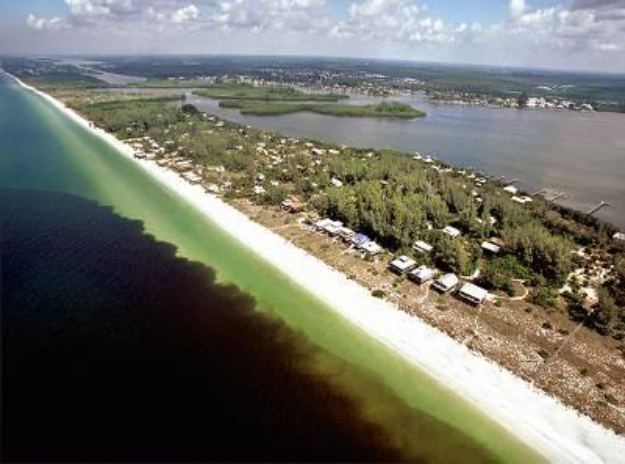
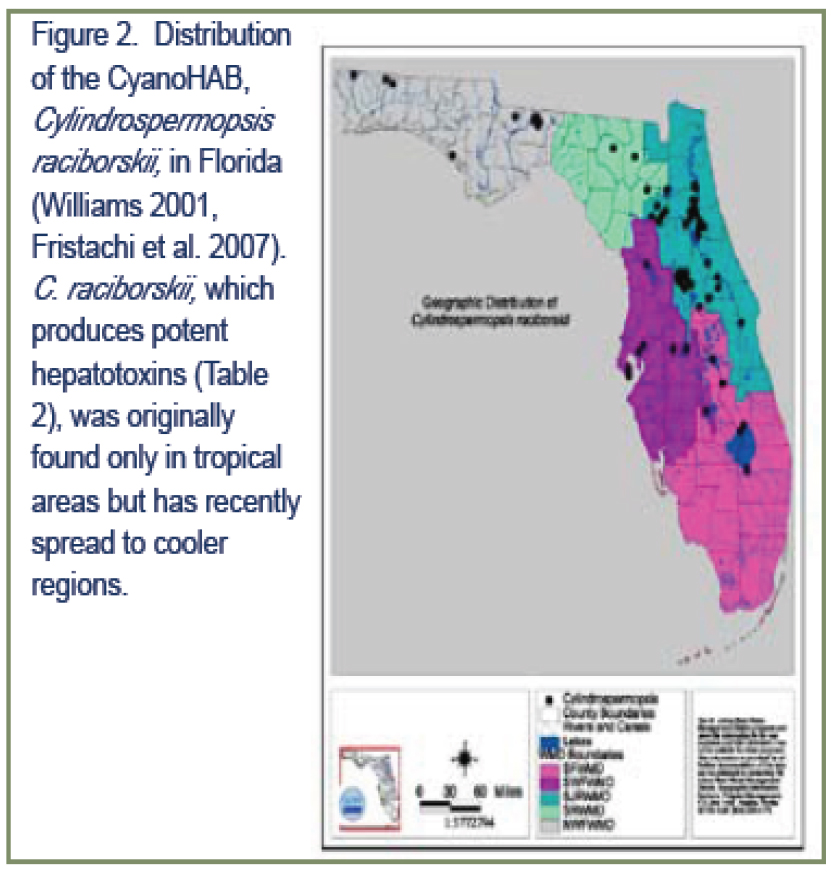
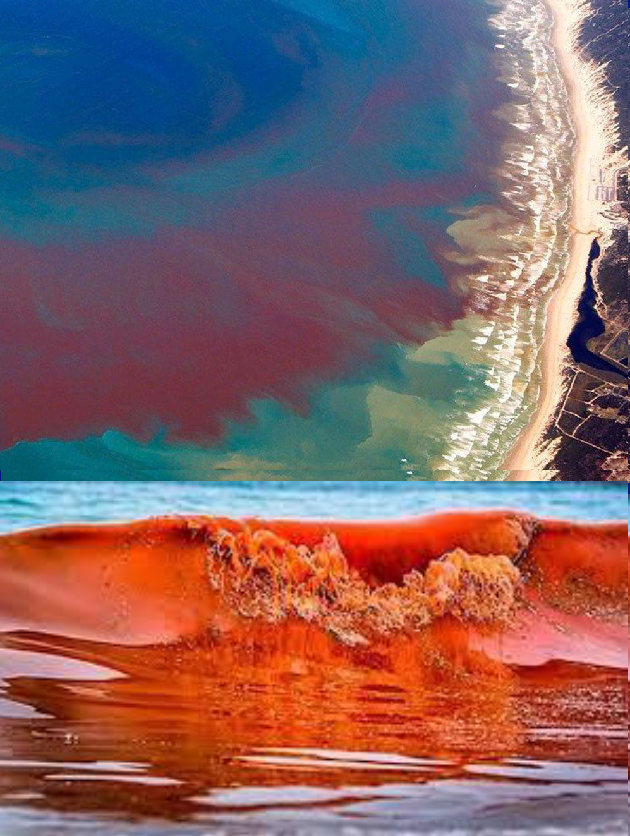
  • One of the most prominently known HABs in the United States occurs annually every summer along Florida’s Gulf Coast
    • Colloquially known as “Red Tide”
      Karenia brevis)
    • Microscopic toxic cyanobacteria that kill fish, poison shellfish
    • In 2021, contaminated wastewater was released from the Piney Point phosphate retention pond into Tampa Bay
    • Hundreds of millions of gallons were released
    • Extraordinarily high in phosphate and nitrogen
    • Good for HABs; bad for humans

Waterborne Pathogens

Waterborne disease risk will increase as the hydrological cycle is effected by climate change.

Precipitation patterns, floods and droughts are all important determinants of these diseases, but their influence will be place specific and path dependent.

Summary

Climate Change

Hydrological Cycle and Climate Change

  • Water temp +/–
  • Agricultural seasons
  • Recreation
  • Precipitation +/–
  • Drought

+/– Pathogen concentration (surface water)

Water-Borne Pathogens

  • Norovirus
  • Cryptosporidium + Giardiasis
  • Vibrio (cholera and non cholera)
  • Brain-eating amoeba
  • Vector-borne disease

+/– Risk of disease

Adaptations and Interventions

  • Ecological + public health
  • WaSH

Adaptation Strategies

Clinical correlation

In this film, we meet people in Nepal and hear about the challenge of diarrheal disease and extreme weather events, and the early warning system developed to help adapt to the challenges.

The Flow of Change

Managing diarrheal disease in the face of extreme weather

(1.25× speed, 8 minutes)

Conclusion

Climate change adaptation strategies should:

  • Be designed to enhance public health preparedness
  • Facilitate the response emerging threats from waterborne diseases
  • And thereby help contain human and economic costs
Planetary Health Resources

Image credits

Unless otherwise noted, images are from Adobe Stock.