




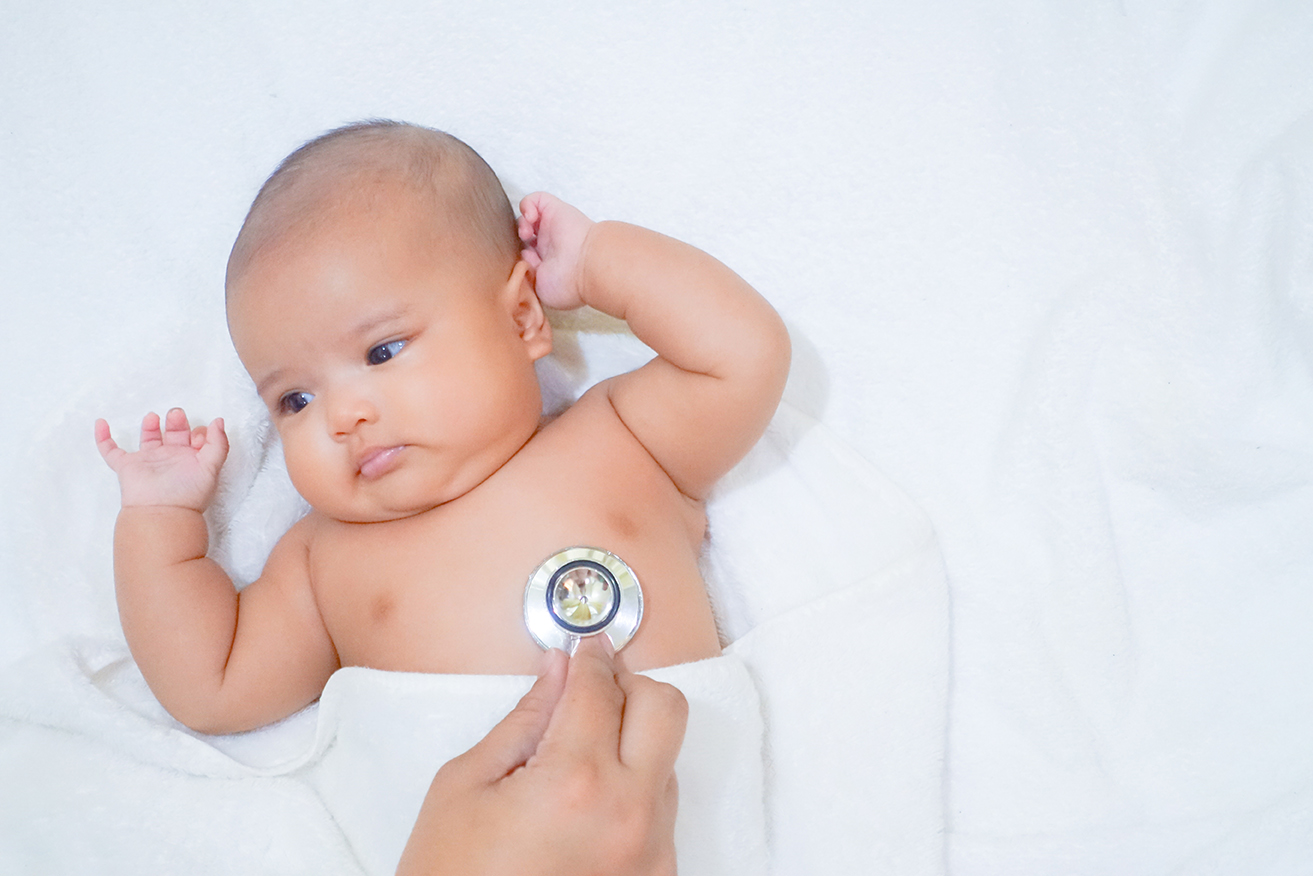
Brief Resolved Unexplained Events (BRUE) refers to an episode in infants characterized by sudden, brief, and unexplained changes in breathing, color, tone, or responsiveness. If the cause is identified, the event is no longer considered a BRUE. While often alarming to caregivers and clinicians, these events typically resolve spontaneously and are usually not associated with significant long-term morbidity. The history surrounding the terminology for BRUE is interesting and reflects both our relatively poor understanding of the underlying cause of these events but also the fact that the vast majority of these events turn out to be benign. The term BRUE replaced the earlier term of Apparent Life-Threatening Event (ALTE) in 2016, with an aim to improve the diagnostic accuracy and clinical management of these events. Even before that, the term “near-miss SIDS” was used to describe such events, and like the term Apparent Life-Threatening Event could inspire a great deal of fear in the parent and even provider.
This evidence-based overview of BRUE includes its epidemiology, pathogenesis, clinical features, diagnosis, management, and risk stratification to assist pediatric residents and medical students in understanding and managing these events effectively.
Epidemiology
Although the exact incidence of BRUE is not firmly established, a recent study found the incidence to be approximately 4 per 1,000 live births. Other studies suggest that BRUE accounts for 0.6–1.5% of all pediatric emergency department visits and approximately 1.3% of hospital admissions for infants. The majority of BRUE episodes occur in healthy infants, with a higher incidence between 2 and 3 months of age, corresponding to a developmental stage where respiratory and autonomic control mechanisms are still maturing.
The incidence is higher in preterm infants, with 30% of BRUE events occurring in infants born prematurely (less than 32 weeks gestation). Studies also suggest a slight male predominance in BRUE cases, although this difference is not statistically significant in all populations.
While BRUE is by definition unexplained, certain factors may increase the likelihood of experiencing a BRUE:
- Prematurity: Preterm infants, especially those born before 32 weeks gestation, have an increased risk of BRUE, likely due to immaturity of their respiratory and autonomic systems.
- Low birth weight: Infants with a birth weight of less than 2,500 grams are at higher risk.
- Gastroesophageal reflux disease (GERD): GERD is frequently associated with BRUE episodes, possibly due to reflux-induced vagal response resulting in transient bradycardia or apnea.
- Neurological conditions: Infants with neurological impairments, such as cerebral palsy or genetic syndromes (e.g., Down syndrome), are at greater risk.
- Family history of sudden infant death syndrome (SIDS) or cardiac arrhythmias may raise suspicion for potentially more serious underlying causes.
Pathogenesis and pathophysiology
The pathogenesis of BRUE remains poorly understood, as most cases resolve without an identified cause. However, several hypotheses have been proposed to explain the underlying mechanisms.
One of the primary theories behind BRUE is that these events represent transient episodes of autonomic dysregulation. The autonomic nervous system, which controls vital functions such as breathing, heart rate, and muscle tone, may be temporarily disrupted during these episodes. This dysregulation could manifest as apnea, bradycardia, hypotonia, and cyanosis. These events typically resolve spontaneously, suggesting that the autonomic nervous system “resets” after the transient dysfunction.
Transient apnea and hypoventilation are common features of BRUE. The mechanisms behind these respiratory events may include:
- Immature respiratory control in young infants, especially those who are premature, which can lead to episodes of apnea of prematurity.
- Gastroesophageal reflux and aspiration, which can trigger laryngospasm or airway obstruction.
- Infections such as viral upper respiratory tract infections that can cause transient respiratory distress.
Although rare, BRUE may be associated with subtle or non-convulsive seizures, especially in infants with neurological vulnerabilities. Seizures originating in areas of the brain that control motor functions could lead to the observed changes in tone, color, and responsiveness.
BRUE may be linked to cardiac arrhythmias, such as sinus bradycardia or long QT syndrome, in a small subset of cases. These arrhythmias may cause periods of asystole or other pulseless rhythms with related changes in color such as pallor, grayness, or cyanosis, as well as brief alterations in consciousness, including seizure activity. In the setting of BRUE, they are transient and resolve on their own; however, these events may be harbingers of more dangerous events in the future.
GERD is another possible cause of BRUE, particularly in infants with feeding difficulties. Acid reflux can cause aspiration, leading to respiratory distress, or laryngospasm, both of which could manifest as a BRUE-like event.
Clinical features
The defining feature of BRUE is that the episode is brief (lasting less than one minute) and resolves spontaneously, but it often causes significant concern due to its frightening nature. The typical clinical features of a BRUE episode include one or more of the following:
- Changes to breathing pattern: Apnea (a pause in breathing lasting longer than 20 seconds), decreased or irregular breathing rate.
- Color change: The infant may appear cyanotic (blue), especially around the lips and face, or pale during the event.
- Abnormal muscle tone: The infant may appear either hypotonic (limp) or hypertonic (rigid).
- Altered responsiveness.
In some cases, the event may involve only one of these features (e.g., isolated apnea), but when several features are present, the event is more likely to cause alarm among parents and clinicians.
Diagnosis
The diagnosis of BRUE is primarily clinical. The American Academy of Pediatrics (AAP) defines BRUE based on the following criteria:
- The event is brief, typically lasting less than one minute.
- The event involves at least one of the following:
- Color change.
- Abnormal muscle tone.
- Altered responsiveness.
- Apnea.
- There is no identifiable cause after a thorough clinical evaluation.
- Details of the event: It is essential to gather information about the onset, duration, and characteristics of the event.
- Was the infant awake or asleep when the event occurred?
- If awake, was the infant feeding at the time and was there associated choking or gagging?
- Did the infant appear pale or cyanotic?
- Was there any abnormal breathing, such as gasping or irregularity?
- Did the infant appear stiff or limp?
- Was there any preceding illness or injury.
- Past medical history: A history of prematurity, genetic syndromes, or neurological disorders can indicate a higher likelihood of an underlying medical issue. Make sure you confirm newborn screen results.
- Family history:
- Sudden infant death syndrome (SIDS).
- Seizures.
- Sudden unexplained deaths.
- Congenital heart conditions.
- Metabolic or genetic conditions may increase concern for an underlying pathologic cause.
- Social history:
- Environmental exposures (tobacco, nicotine, THC, wood burning stove, incense).
- Family structure and caretakers.
- Sleeping conditions (safe sleep, co-sleeping).
- Prior involvement of child protective services.
A thorough physical examination is necessary to assess for signs of systemic illness, infections, congenital malformations, or neurological deficits. While a complete physical examination is warranted, focus should be placed on:
- Cardiopulmonary examination: To detect murmurs, arrhythmias, or signs of respiratory distress. Femoral pulses are key to assessing for possible coarctation in a newborn.
- Neurological examination: Assessment of fontanelle, pupillary response, and conjunctival hemorrhages.
- Orofacial: assess for blood behind tympanic membranes or possible ruptures, assess for blood in the nares or lacerations to the oral mucosa (including assessing frenulum for possible tears).
- Skin examination: Special attention to mottling, bruising, erythema, and cyanosis.
Risk Stratification: low-risk vs. high-risk BRUE
To guide management, in 2016 the AAP published a Clinical Practice Guideline recommending to stratify BRUE into two categories: low-risk and high-risk. This classification is based on the clinical characteristics of the event, as well as the infant’s medical history and examination findings.
- The infant is older than 60 days.
- The infant’s gestational age at birth was ≥ 32 weeks and postconceptional age ≥ is 45 weeks.
- The event is isolated (only one in the past 24hr) and brief (<1 minute), and the infant returns to baseline quickly.
- No CPR by a trained medical provider was required.
- There is no concerning history such as recent fever, domestic violence in the home, or family history of sudden infant death syndrome (SIDS), seizures, or cardiac arrhythmias.
- There are no concerning findings on physical exam, such as fever, cyanosis, bruising, choking, or abnormal tone.
- Age ≤ 60 days.
- Preterm birth (less than 32 weeks gestation) or low birth weight.
- The event is prolonged (>1 minute) or recurrent.
- The infant has a significant underlying medical condition (e.g., congenital heart disease, metabolic disorders, neurological disorders).
- There are concerning findings on the physical exam, such as fever, poor feeding, or sepsis signs.
- A family history of SIDS, seizures, or cardiac arrhythmias.
- Required CPR from trained medical provider.
Management
Low-risk BRUE
- Observation: Infants should be continuously monitored (both cardiac and pulse oximetry) for a short period (e.g., 1–4 hours) to ensure that the event does not recur and they are able to feed normally.
- Consider pertussis testing if there is high-community spread or recent exposure.
- The following studies are not routinely recommended but may be considered based on clinical suspicion:
- Respiratory viral panel.
- Urinalysis.
- Serum labs.
- CT or MRI head.
- Consider access to health care, caregiver anxiety, and shared decision-making concerns when determining disposition.
- Admission solely for cardiorespiratory monitoring is not typically recommended.
- If the patient is discharged, arrange follow-up with a primary care physician or pediatrician within the week.
- Provide reassurance and parental education: Educate caregivers about the benign nature of BRUE and the low likelihood of recurrence. Provide instructions on when to seek medical care if the event recurs or if new symptoms arise.
- Discuss safe sleep practices: Emphasize the importance of placing the infant on their back to sleep to reduce the risk of SIDS, although this is not directly related to BRUE.
- Recommend CPR training to caregivers, and provider prior to discharge if available.
High-risk BRUE
High-risk BRUEs can require more comprehensive work-up and potentially more intensive management due to the higher likelihood of serious underlying conditions. Such conditions may include:
- Infections.
- Seizures.
- Arrhythmias.
- Congenital anomalies.
Key components of high-risk BRUE management include:
- All patients require continuous cardiac and pulse oximetry monitoring for ≥ 2 hours.
- Further work up is guided by the clinical symptoms, but can include serum testing of electrolytes or CBC, viral panels, EKG, ECHO, neuro-imaging, EEG.
- If the child is stable during the observation duration in the Emergency Room, they can be discharged with shared decision making with the family and close follow up with their primary care provider. Social work should be consulted to assess for any family support needs, or if concerns for abuse/neglect.
- If a child has a recurrent event in the emergency room, they should be admitted for observation.
Prognosis and long-term follow-up
The prognosis for infants classified as low risk after experiencing a BRUE is overwhelmingly positive. Studies have demonstrated that infants who experience a low-risk BRUE event typically recover without any long-term sequelae, with recurrence of BRUE in less than 10%, and most children develop normally. In fact, one large cohort study found that more than 99% of low-risk BRUE infants had normal neurodevelopmental outcomes and no recurrence of the event at follow-up.
However, parental reassurance is a critical component of management. Understanding that the event is often transient and benign helps reduce anxiety and promotes optimal infant care. Infants in the low-risk group are unlikely to experience future BRUE events, and no further investigation is typically needed unless BRUE recurs, or new concerning symptoms or signs develop.
For high-risk BRUE infants, the prognosis is more variable and closely depends on any identified underlying conditions causing the event. In cases where a serious underlying condition is identified, the prognosis can often improve with early diagnosis and treatment. For example:
- Seizure disorders, if identified and treated appropriately, often result in good long-term outcomes, although some children may require ongoing monitoring and management.
- Cardiac arrhythmias or congenital heart defects identified through diagnostic testing may necessitate specific interventions such as medications or pacemaker placement, improving the long-term prognosis.
- Gastroesophageal reflux (GERD) associated with BRUE is usually manageable with medical therapy (e.g., proton pump inhibitors), and most infants grow out of GERD as they mature, leading to an excellent prognosis.
However, in cases where no underlying cause is found after a thorough work-up, or if an underlying condition is not diagnosed or treated adequately, the prognosis may be more guarded, especially in infants with recurrent events.
Routine follow-up care for infants who experience a low-risk BRUE typically involves monitoring developmental milestones, ensuring that the infant is reaching expected physical and cognitive growth. Pediatric providers should check for recurrence during subsequent visits, but the recurrence rate for low-risk BRUE is extremely low, generally less than 10%.
For high-risk infants, more intensive follow-up is necessary to monitor both their development and the underlying condition that contributed to the BRUE event. For instance:
- Infants diagnosed with seizure disorders will require neurological follow-up and antiepileptic therapy.
- Infants with cardiac arrhythmias will need follow-up with pediatric cardiology, which may include repeat ECGs, genetic testing, and assessment for interventions such as antiarrhythmic therapy or pacemaker placement.
- Regular pediatric visits are important for identifying any developmental delays, especially if the event was associated with a more serious neurological or metabolic condition.
-
Parental support and education
One of the critical aspects of managing BRUE is providing thorough education and support for parents and caregivers. This can help alleviate anxiety, prevent unnecessary hospitalizations, and promote the infant’s well-being.
Communication with caregivers
It is essential to provide parents with a clear explanation of what BRUE is, why it occurred (if a cause is identified), and the steps they can take to support the infant’s health and safety. The healthcare provider should also address the parents’ concerns and provide guidance on:
- When to seek medical attention: Parents should be educated about warning signs that would necessitate seeking medical help, such as a recurrence of the event, new concerning symptoms (e.g., fever, lethargy), or developmental regression.
- Preventive measures: Counseling on safe sleep practices and feeding positions to reduce the risk of aspiration should be included. The AAP does not recommend continuous pulse oximeter monitoring at home, such as an Owlet monitor, as these have not been shown to have clinical benefit but do cause substantial anxiety for families.
- Emotional support: Encourage parents to focus on their child’s well-being and ensuring that the child feels loved. Given that BRUE episodes can be emotionally distressing, offering reassurance and access to support services (e.g., counseling, family support groups) can help parents cope with the event.
Clinical implications and key takeaways
BRUE remains a common yet perplexing phenomenon for pediatricians and caregivers. Understanding the pathophysiology and clinical presentation of these events, and accurately risk stratifying them can significantly impact clinical decision-making, from diagnosis to management. Key clinical implications include:
The diagnosis of BRUE is one of exclusion. It is essential that clinicians rule out other conditions that could mimic a BRUE, such as:
- Child maltreatment: Evidence of an unstable home environment, for example with domestic violence in the home, other history suggesting risk of child maltreatment, or findings on physical examination such as bruising should prompt careful investigation for this problem.
- Seizures: Subtle or non-convulsive seizures can present similarly to BRUE. An EEG may be needed to rule out seizure activity, particularly in infants with a family history of seizures or other neurological symptoms.
- Infections: Sepsis, respiratory infections, and meningitis should be ruled out, particularly in high-risk infants or those showing signs of fever or poor feeding.
- Cardiac Issues: Cardiac arrhythmias and structural heart defects need to be considered, especially in infants with a family history of sudden death or congenital heart disease.
The differentiation between low-risk and high-risk BRUE plays a crucial role in management:
- Low-risk BRUE: Involves observation, reassurance, and parental education. The prognosis is excellent, with a low recurrence rate.
- High-risk BRUE: These infants require hospitalization, diagnostic testing, and specialist referral as appropriate. Early identification and treatment of underlying conditions significantly improve outcomes.
A vital part of managing BRUE is parental reassurance. Infants who experience a low-risk BRUE should be educated about the benign nature of the event, but parents should also be instructed on signs that may warrant a return to the clinic or emergency room, such as recurrence of the event or worsening symptoms.
For parents, anxiety surrounding a BRUE episode can be overwhelming, especially if it occurs in the early months of life. Providing clear communication and safe sleep practices (e.g., placing infants on their backs to sleep, avoiding overheating) is essential. Education on managing concerns and providing support can alleviate much of the fear associated with BRUE events.
High-risk BRUE often requires the expertise of multiple healthcare specialists. Pediatric pulmonologists, neurologists, and cardiologists should be involved in cases with suspected respiratory or neurological causes, while gastroenterologists may be consulted for cases associated with GERD. A coordinated, multidisciplinary approach ensures that all potential causes are addressed, and the infant receives the appropriate treatment.
Conclusion
Brief Resolved Unexplained Events (BRUE) are common occurrences in infants, most of which are benign and self-limited. Although these events can be distressing to parents and clinicians, a structured, evidence-based approach to risk stratification, diagnosis, and management can ensure that infants receive appropriate care and that serious conditions are not missed.
The majority of BRUEs occur in healthy, full-term infants and resolve without recurrence. The key to managing BRUE effectively is accurate diagnosis, timely intervention for high-risk cases, and providing parental reassurance. By adhering to established clinical guidelines and offering comprehensive follow-up care, pediatric healthcare providers can confidently navigate the complexities of BRUE and help ensure optimal outcomes for their patients.
- American Academy of Pediatrics (AAP). (2016). Evaluation and management of apparent life-threatening events in infants and children. Pediatrics, 137(5), e20160464.
- Pediatrics (2017). Epidemiology of brief resolved unexplained events in infants: A population-based study. Pediatrics, 139(4), e20162968.
- Nama N, DeLaroche AM, Neuman MI, Mittal MK, Herman BE, Hochreiter D, Kaplan RL, Stephans A, Tieder JS. Epidemiology of brief resolved unexplained events and impact of clinical practice guidelines in general and pediatric emergency departments. Acad Emerg Med. 2024 Jul;31(7):667–674. doi: 10.1111/acem.14881. Epub 2024 Mar 1. PMID: 38426635.
- JAMA Pediatrics (2016). Cardiac arrhythmias as a cause of apparent life-threatening events in infants. JAMA Pediatr, 170(1), 74–81.
- Pediatrics (2018). Seizure disorders in infants presenting with apparent life-threatening events: A review. Pediatrics, 141(6), e20174361.
- Joel S. Tieder, Erin Sullivan, Allayne Stephans, et al. Risk factors and outcomes after a brief resolved unexplained event: A multicenter study. Pediatrics, 148 (1): e2020036095.
- Risa Bochner, et al. Brief Resolved Unexplained Event Research and Quality Improvement Network. Explanatory Diagnoses Following Hospitalization for a Brief Resolved Unexplained Event. Pediatrics November 2021; 148 (5): e2021052673. 10.1542/peds.2021-052673
- Reiner, G. L., et al. (2017). Subtle seizures and BRUE: A review of the literature and EEG findings in infants. J Pediatr, 191, 150–155.
- Corwin MJ. Acute events in infancy including brief resolved unexplained event (BRUE). UpToDate. Last updated March 25, 2026. Accessed April 2026.
Image credits
Unless otherwise noted, images are from Adobe Stock.