

Infectious diseases that target red blood cells (High-yield)
Plasmodium (protozoa that causes malaria) Transmitted by female Anopheles mosquito. Lifecycle includes liver (exoerythrocytic) and blood (erythrocytic) stages. Vivax and P. ovale form dormant hypnozoites in liver—cause relapses. Falciparum infects all RBC stages—highest parasitemia and severity. Symptoms (fever, chills) correlate with RBC rupture during schizont release. Diagnosis of malaria Thick smear: Screening and parasite […]
Acute infectious diarrhea (High-yield)
Microbiome and antimicrobial stewardship (High-yield)
Microbiome basics Microbiome = all microbes + their genomes + the environment they occupy. Humans have ~38 trillion microbial cells (more than human cells). Major phyla: Firmicutes (Gram+ anaerobes) Bacteroidetes (Gram– anaerobes) Proteobacteria (Gram– facultative rods) Actinobacteria (Gram+ bacilli) Normal flora by site Carrier state: colonization with potential pathogen (e.g., S. aureus). Body site […]
Principles of microbiology laboratory diagnosis (High-yield)
Learning goals Compare direct examination, culture, serologic, and molecular methods for identifying microorganisms. Differentiate diagnostic approaches for bacteria vs. viruses. Understand how to select appropriate microbiologic diagnostic tests. Direct examination Uses stains (Gram, Acid-fast, fluorescent) to visualize organisms directly from specimens. Low sensitivity/specificity; risk of false positives/negatives. Gram stain: differentiates Gram-positive (purple) vs. Gram-negative […]
Pharmacology: Introduction to antimicrobial therapy (High-yield)
Learning goals Understand five mechanisms of antibiotic action Differentiate empiric vs. directed therapy Recognize bacterial resistance mechanisms Apply PK/PD principles: bacteriostatic vs. bactericidal, time vs. concentration dependence Mechanisms of action Cell Wall Synthesis Inhibition: Penicillins, Cephalosporins, Carbapenems, Vancomycin. Protein Synthesis Inhibition: Aminoglycosides, Tetracyclines (30S); Macrolides, Clindamycin (50S). Cell Membrane Disruption: Daptomycin, Polymyxins. Nucleic Acid […]
Introduction to bacteria: Virulence and pathogenicity (High-yield)
Infection process overview Steps in Infection: Attach → Persist → Invade → Adapt → Replicate → Exit/Spread Virulence: Ability to cause disease; not all colonizing bacteria cause infection. Host Factors: Skin integrity, immune status, social determinants, environment. Attachment and persistence Adhesins (bacterial) bind receptors (host). Pili often enhance adhesion. Site-specific colonization: e.g., Strep pyogenes → pharyngitis. Biofilms: Aggregates of bacteria […]
Introduction to bacteria: Classification and structure (High-yield)
Bacterial classification (Phenotypic) Gram Stain: Differentiates based on cell wall structure. Morphology: Cocci, bacilli, curved rods, clusters, chains. Growth Requirements: Oxygen tolerance (aerobes vs anaerobes). Biochemical Reactions: Catalase, coagulase, oxidase, lactose fermentation. Serologic Systems: Group A vs B Strep (based on surface antigens). Gram stain mechanism Crystal Violet → binds peptidoglycan. Iodine → forms […]
Carbohydrate metabolism: Glycogen metabolism
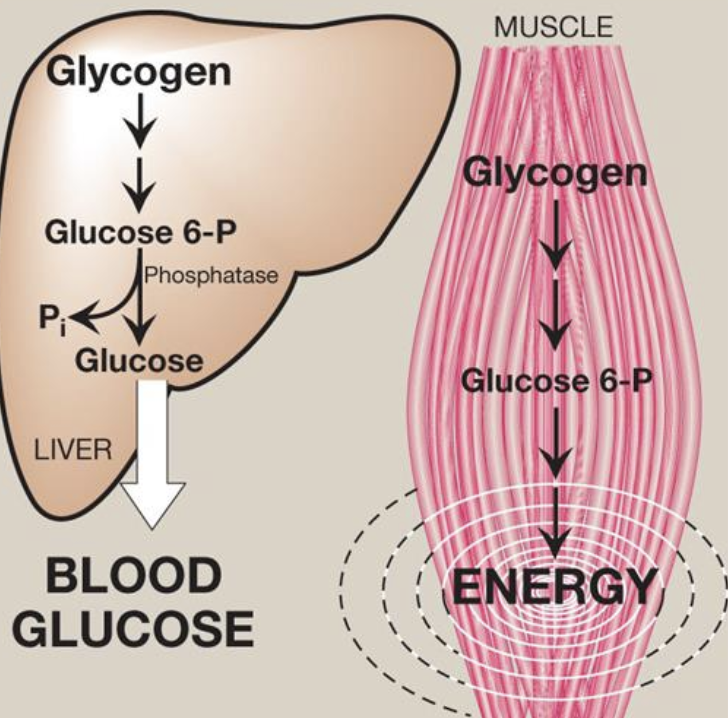
Suggested reading Reading guide Need to Know The Lippincott chapter for glycogen metabolism is pretty succinct and worth diving into if you are not familiar. Glycogen Metabolism. Lippincott® Illustrated Reviews: Biochemistry, 9e. Medical Education: Health Library. The short descriptions listed below are some of the very big-picture, high-yield points. The reading and the class […]
Exam room tour
Aliyah: Gross Anatomy (2026)
Projects for you Top priority: Dissectors to update Lab 15: Pelvic Viscera and Pelvic Vessels (Hemisection) Lab 16: Anterior and Medial Compartments of Thigh; Hip Joint Lab 17: Gluteal Region, Posterior Thigh, and Popliteal Fossa Lab 18: Anterior and Lateral Leg, Knee and Ankle Joints, and Dorsum of Foot Lab 19: Posterior Leg and […]