2029 Dissector

Need to type in the password to view the dissector? Tap here for instructions on how to show the keyboard on the displays in the anatomy lab.
Gram-negative
Gram-negative cocci (GNCs): Diplococci Neisseria Small intracellular gram-negative diplococci. Neisseria meningitidis Neisseria meningitidis is gram-negative diplococci that colonizes human nasopharynx. It is encapsulated, which distinguishes it from other Neisseria spp and provides an anti-phagocytic protection. After colonizing nasopharynx, organism can evade immune response and reach meninges via bloodstream. Patients with terminal complement deficiency are highly […]
Gram-positive
Gram-Positive Cocci (GPCs) Staphylococci Staphylococcus aureus Beta-hemolytic, golden colored colonies on blood agar. One of the most common causes of infections in humans. The main habitat is the anterior nares in humans and as a colonizer of human skin. S. aureus has several important toxins that facilitate disease, including toxic-shock superantigens. S. aureus can cause […]
Bacteria

In this section Read more in the Micro-ID compendium
Microbiology and Infectious Disease thread compendium

Additional resources Antimicrobials
Infracolic organs: The intestines
Optional reading Clinically Oriented Anatomy, 8th ed., chapter 5, Abdominal viscera. Recall from The peritoneal cavity and mesenteries that the peritoneal cavity is divided into supracolic and infracolic regions, using the transverse colon and its mesentery (transverse mesocolon) as the borderline. In Organs in the supracolic region, the supracolic organs were described. In this chapter, […]
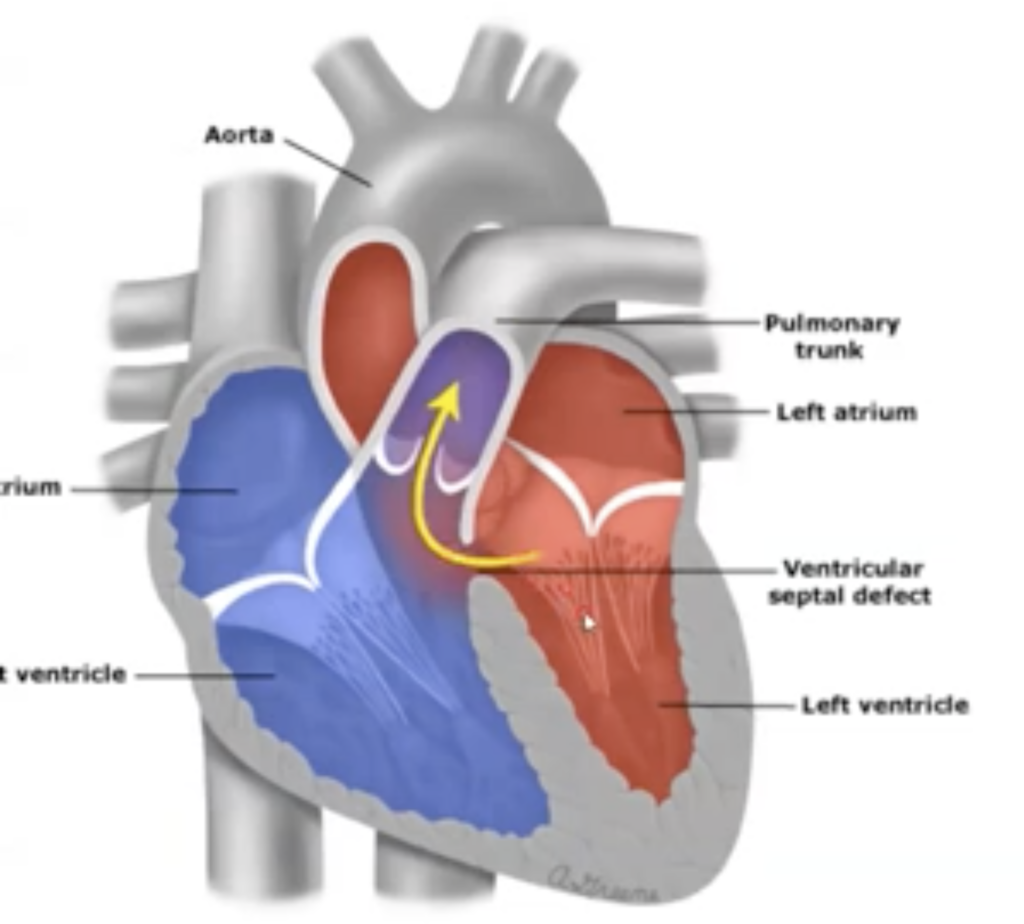
Eisenmenger Syndrome
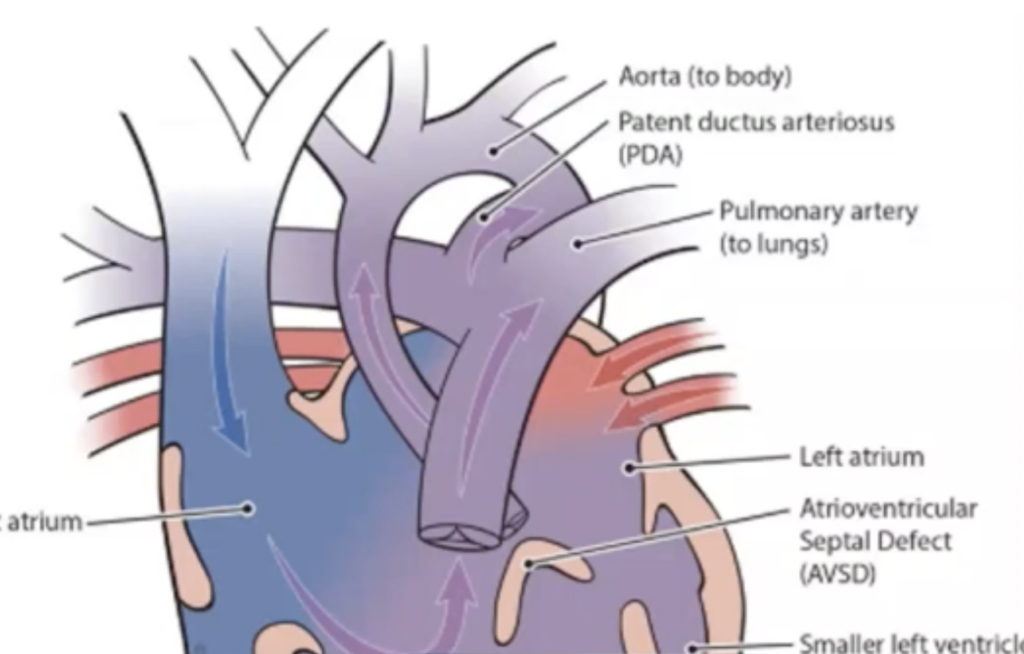
Single ventricle conditions
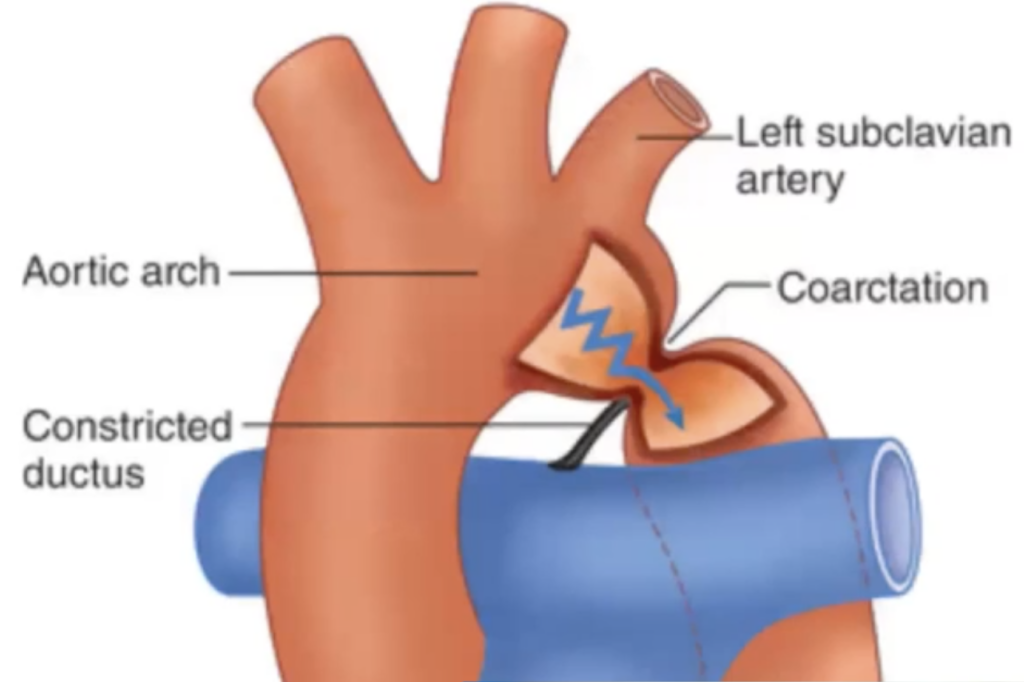
Coarctation of the aorta
Tetralogy of Fallot