


Case Study 3: I Passed Out

Headshot of Dawn Elise DeWitt, MD, MSc, CMedEd, MACP, FRACP, FRCP-London · Senior Associate Dean, Collaboration for InterProfessional Health Education Research & Scholarship (CIPHERS)
Dawn Elise DeWitt
MD, MSc, CMedEd, MACP, FRACP, FRCP-London · Senior Associate Dean, Collaboration for InterProfessional Health Education Research & Scholarship (CIPHERS)
envelope icon
Table of Contents

Case study 3: Frank—I passed out

Tap the image to view the case.
A 62-year-old man with a history of cluster headaches and MI comes to the office because he has increasing dizziness. He passed out yesterday while walking.
  • Past smoker, quit 5 years ago.
  • Brother had an MI at 55.

Question

You should consider:

  • Cardiac causes, especially arrhythmias
  • Medications that could cause arrhythmia or blood pressure problems (hypotension or orthostatic hypertension)
  • Other neurologic causes, such as subarachnoid hemorrhage, stroke, or seizures (reconsider whether cluster headaches is the correct diagnosis).
  • Finally, dehydration and cardiac ischemia should always be considered.


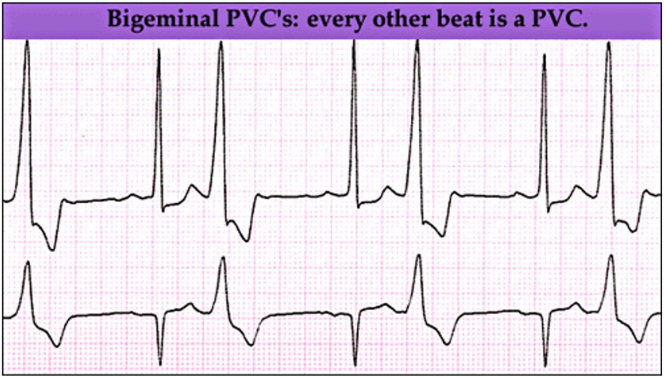
It is important to think about cardiovascular syncope (dizziness) vs vertigo (neurologic cause). Within cardiovascular, consider underlying causes (ischemia and arrhythmias are common and can be deadly), including medication side effects (e.g., antihypertensives or anticholinergics; long QT–inducing medications, etc.). This is likely cardiac syncope secondary to arrhythmia. While infrequent PVCs are usually not an issue, and even bigeminy can be benign, this patient has an arrhythmia and symptoms. 

  • Nitroglycerin.
  • Aspirin.
  • Furosemide.
  • Benazepril.
  • Metoprolol.
  • Amitriptyline.
  • Atorvastatin.
  • BP 120/72.  P 65 with slight irregularity.
  • CV: RRR S1S2 with 1/6 SM at LLSB without radiation.
  • Chest: CTA.
  • Extremities: No cyanosis or oedema.

LV mildly enlarged at 60 mm. Akinesis of the inferior wall and basal 2/3 of the septum. LV function is mildly reduced. LA is 45 mm (mildly enlarged). RV size and function are normal. Trileaflet AoV without AI.  Mild mitral and tricuspid regurgitation present. Frequent PVCs noted.

Heart rate avg 79, min 50, max 107. Basic rhythm is sinus with frequent bigeminy (total 7 hours 12 minutes). There were 2443 premature ventricular contractions, more than 200 per hour for 6 hours. There were 25 couplets and no sustained ventricular arrhythmias. The patient experienced dizziness and fatigue while exercising. During this time, the patient had >200 PVCs per hour.
Key points

Image credits

Unless otherwise noted, images are from Adobe Stock.