

Lab 17, Station 1: The Skull
Lab 17 navigation Station 1: The Skull The skull is divided into two parts: Neurocranium and Viscerocranium. Neurocranium (“brain case”) = Frontal bone, ethmoid, sphenoid, occipital bone, temporal bones (2), and parietal bones (2) The neurocranium has a roof called the calvaria (“skull cap”). Fibrous joints called sutures join the bones. The largest sutures are […]
Lab 17: Introduction to Head and Neck Anatomy
Download this lab as a PDF Goals Identify the bones and ligaments of the pelvic skeleton. Compare and contrast the features of the pelvic skeleton in the male and female. Define the boundaries of the pelvic inlet, pelvic outlet, and pelvic cavity. Identify the muscles in the pelvic walls and pelvic floor and discuss their […]
Lab 17, Station 1: The Skull
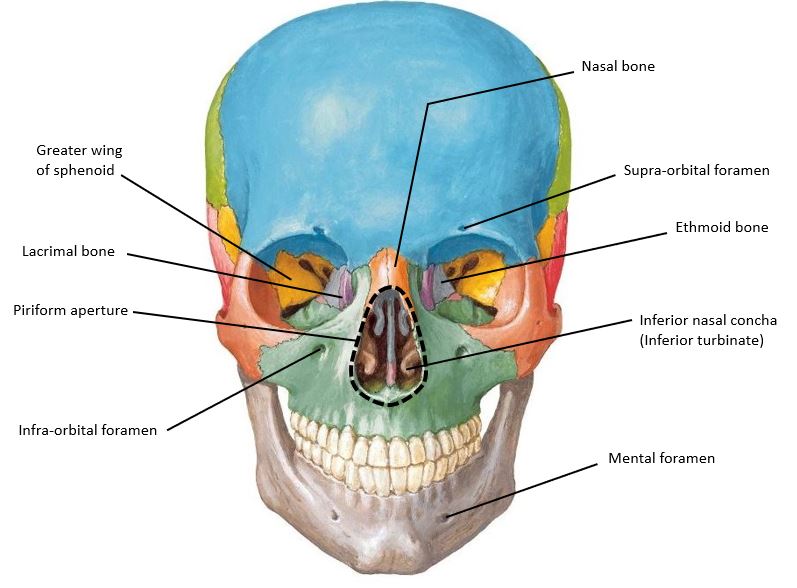
Lab 17 Navigation Introduction Station 1: The Skull Station 2: Cranial Base and Cranial Nerves Station 3: Gross Topography of the Brain Station 4: Blood Vessels Station 5: Head and Neck Anatomy—Sagittal View Station 1: The Skull The skull is divided into two parts: Neurocranium and Viscerocranium. Neurocranium (“brain case”) = Frontal bone, ethmoid, sphenoid, […]
Lab 16: Posterior Leg and Plantar Foot
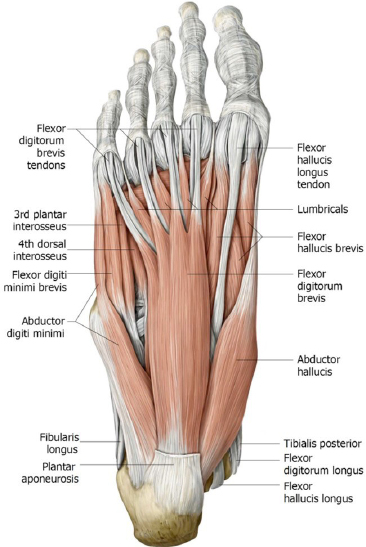
Download this lab as a PDF Goals Identify the small saphenous vein and the sural nerve. Dissect and identify muscles, nerves, and vessels in the posterior compartment of the leg. Dissect and identify muscles, nerves, and vessels on the sole of the foot. Clean and identify the contents of the tarsal tunnel. Osteology Complete anatomy […]
Cranial nerves appendix
Templates for drawing the pathways of the cranial nerves Cranial nerves templates Previous The mixed cranial nerves
The mixed cranial nerves
Cranial nerve V: Trigeminal nerve Functions Innervates skin of the face, mucous membranes in oral and nasal cavities, external ear, and teeth (general sensory). Innervates muscles of mastication and other muscles in the neck, palate, and middle ear (skeletal motor). Skull opening Ophthalmic branch (V1) = Superior orbital fissure Maxillary branch (V2) = Foramen rotundum […]
The mainly motor cranial nerves
Cranial nerve III: Oculomotor nerve Functions Innervates four of the six extrinsic muscles that move the eye + the muscle that elevates the upper eyelid (skeletal motor). Innervates smooth muscle in the eyeball (parasympathetic). Skull opening Superior orbital fissure. Attachment to brainstem Midbrain. Nucleus of origin/destination in CNS Skeletal motor fibers originate from the oculomotor […]
The sensory cranial nerves
Cranial nerve I: Olfactory nerve Functions Olfaction (smell)—special sensory. Skull opening Olfactory (cribriform) foramina. Nucleus of origin/destination in CNS Bipolar neurons of olfactory nerves synapse on secondary olfactory neurons in olfactory bulbs. Details The ceilings of the nasal cavities are lined by a special olfactory epithelium that includes the peripheral processes of primary olfactory neurons […]
Cranial nerves
In this chapter Clinical testing of cranial nerves Students should have a basic understanding of how the functions of cranial nerves are tested clinically. Here are two examples of resources on the web. Although these in-depth exams are probably not practical in most situations, they provide nice demonstrations of testing techniques. How to Assess the […]
The foot
Optional Reading Moore’s Clinically Oriented Anatomy, 10th ed., Bones of the foot section, The foot section. Before embarking on the anatomy of the foot, let’s keep in mind how it contrasts with the hand. The upper limb has great mobility and the hand has grasping and sensory functions. The lower limb in general is built […]