

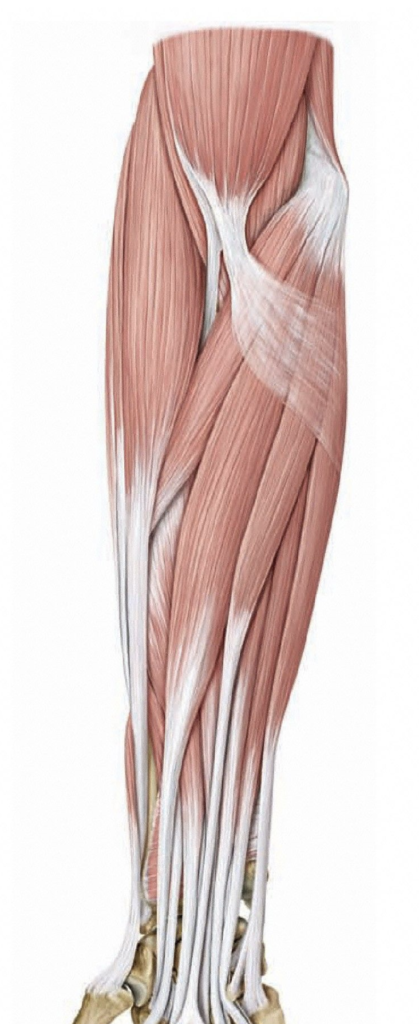
Cubital fossa and anterior forearm
Autonomic innervation of thoracic organs
Now let’s take the principles of the ANS that we learned in Principles of the autonomic nervous system (ANS) and apply them specifically to innervating thoracic organs. Autonomic nerve plexuses Autonomic motor and visceral afferent fibers reach and leave thoracic organs through autonomic nerve plexuses. Concept In autonomic plexuses, parasympathetic and sympathetic fibers and visceral […]
Heart and pericardium
Location of the heart and pericardium The heart and pericardium are located in the mediastinum, resting atop the diaphragm, between the lungs and pleural cavities. Owing to its development, most of the heart is located to the left side of the body’s midline. The size of the heart is described as that of the person’s […]
Pleura, pleural sacs, and lungs
Pleura and pleural sacs Pleura is a serous membrane associated with the lungs. Pleura comes in two varieties: Visceral pleura Visceral pleura invests each lung; in fact, it forms the outermost layer of the organs themselves. It is snugly adherent and difficult to remove. Being structurally part of the lungs, it is derived from splanchnic […]
Introduction to the thoracic cavity
In this chapter Subdivisions of the thoracic cavity The thoracic cavity is divided into two pleural spaces bilaterally, containing the lungs and pleural sacs, and a central space containing the rest of the thoracic viscera called the mediastinum (Latin = median septum). Next Pleura, pleural sacs, and lungs
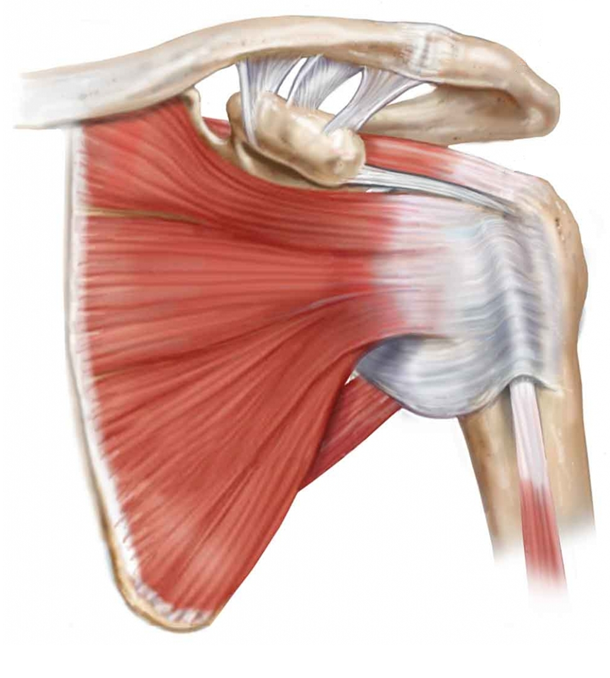
Shoulder and pectoral region
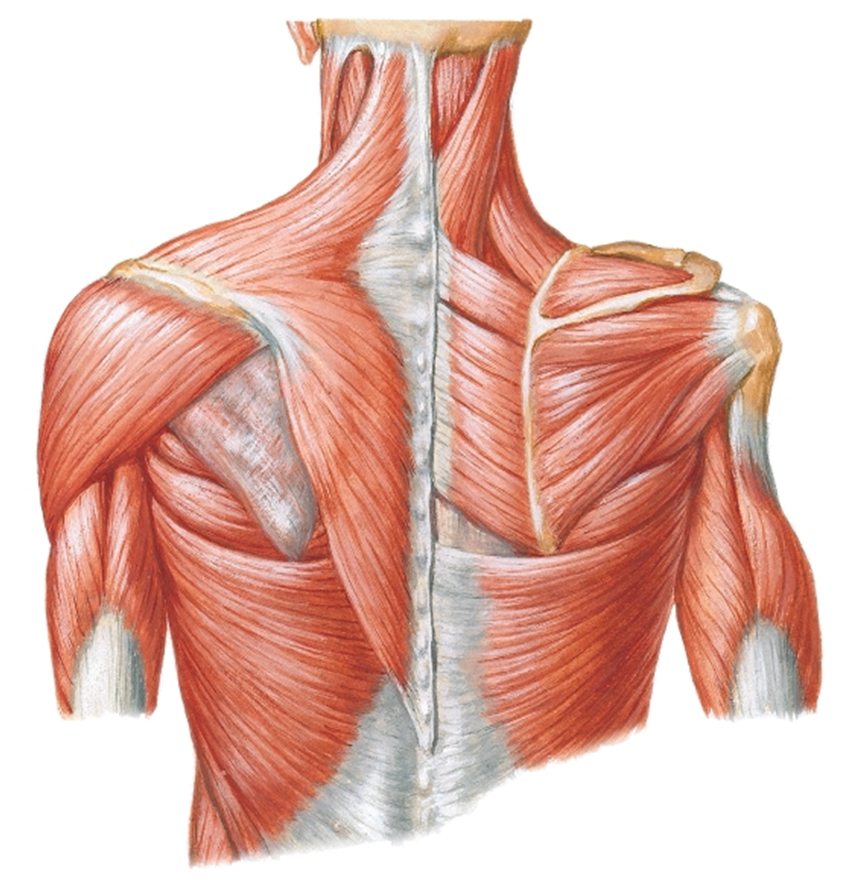
Back and vertebral column
The retroperitoneum and kidneys (posterior abdominal wall)
Optional Reading Clinically Oriented Anatomy, 8th ed., Diaphragm section through Clinical box: Diaphragm, kidneys, ureters, and suprarenal glands section through Clinical box: Kidneys, ureters, and suprarenal glands. Muscles of the posterior abdominal wall Diaphragm Right and left domed musculotendinous partition between thoracic and abdominal cavities Extends up to the 5th rib on the right, 5th […]
Organs in the supracolic region
Abdominal esophagus About an inch long, it enters the abdomen through the esophageal hiatus in the diaphragm. It curves to the left to join the cardia of the stomach. The anterior and posterior vagal trunks are on its anterior and posterior surfaces, respectively. The anterior vagal trunk is composed mainly of fibers from the left […]
Overview of GI tract vessels, lymphatics, and nerves
Optional Reading Clinically Oriented Anatomy, 8th ed., chapter 5, Innervation of abdominal viscera section. Abdominal Viscera The principal viscera of the abdomen are the esophagus (terminal part), stomach, intestines, spleen, pancreas, liver, gallbladder, kidneys, and suprarenal glands. The esophagus, stomach, and intestines form the digestive (alimentary) tract. The kidneys and suprarenal glands will be discussed […]